



Art Deco Table Decor
Art deco table decor brings geometric flair and polished metal to surfaces, offering functional elegance that instantly elevates a room.
Art Deco Table Decor
Art deco table decor encompasses functional items and display pieces that reflect the streamlined aesthetic of the early twentieth century. Buyers searching this phrase encounter items designed to ornament dining tables, sideboards, and dressing tables.
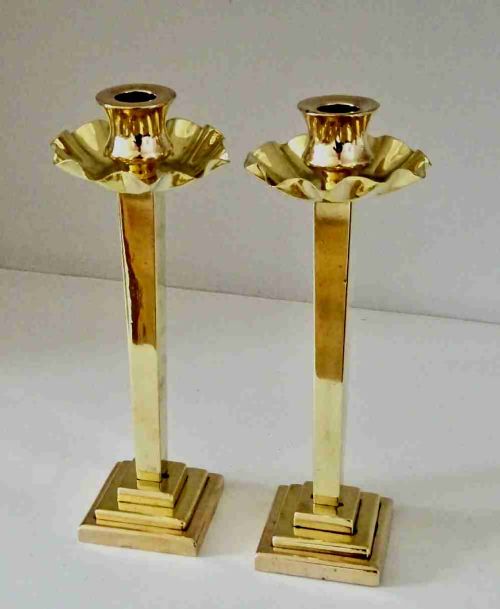
The selections on this page span the 1910s, 1920s, and 1930s, showing a strong concentration of pieces from the interwar period. Common forms include napkin rings, candlesticks, perfume bottles, and sculptural figures.
Originating largely from British and European workshops, these objects combine utility with the characteristic linear styling of the era. Whether brass candlesticks or cased silver napkin rings, each item serves both a practical purpose and a decorative role.
Materials and Techniques
Makers utilised solid sterling silver, chrome, and brass to achieve the bright, reflective surfaces characteristic of the style. These metals were frequently cast, shaped, and polished to create clean angles and smooth curves.
Glass and marble appear alongside precious metals, offering contrasting textures and solid weight for items such as perfume bottles and candlesticks. Textile elements like velvet, satin, silk, and leatherette provide contrasting backdrops and linings.
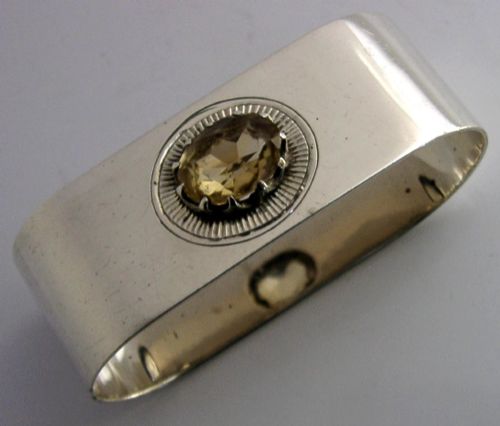
Specialised techniques such as guilloche enamel and silver gilding add colour and surface pattern to smaller items like napkin rings. Cut-glass production demonstrates precision in shaping decorative vessels for domestic use.
Assessing Quality
The standard of an item depends upon the weight of the metal and the precision of its manufacture. Solid sterling silver and substantial marble pieces represent a higher tier than plated alternatives or lighter alloys.
Finishing details distinguish superior examples from standard production, particularly in enamelling, glass cutting, and sculptural casting. Crisp lines on figures of dancers or albatrosses show the skill of the original maker.
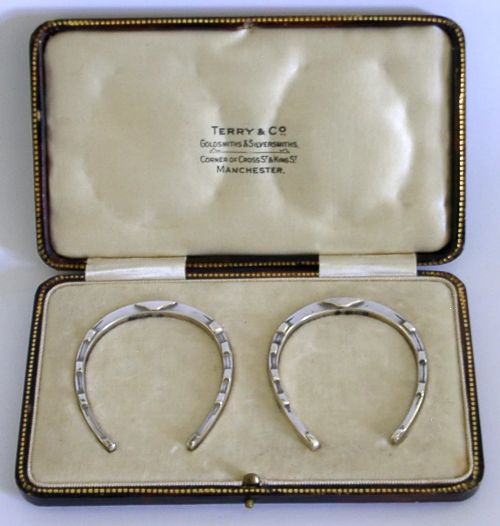
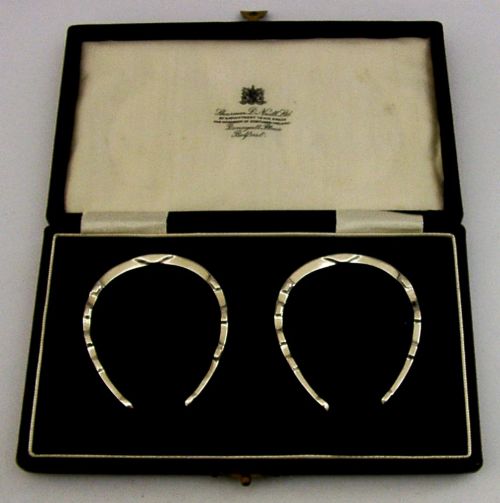
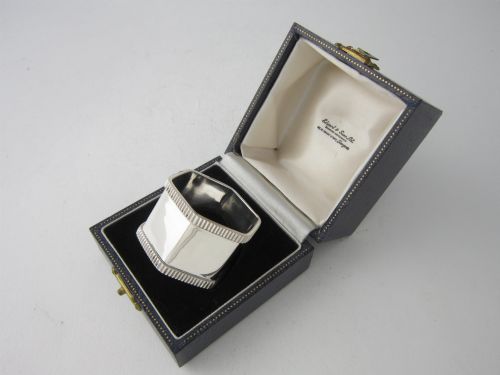
Original packaging, such as fitted cases for silver napkin rings, elevates the standing of a piece by preserving it in its intended presentation state.
David Andersen
The Art Deco Table Decor Glossary
- Sterling silver
- An alloy containing 92.5 percent silver by mass, widely used for durable tableware and decorative accessories. It bears hallmarks that indicate its purity and origin.
- Guilloche enamel
- A decorative technique where a precise pattern is mechanically engraved into metal beneath a translucent layer of enamel. This creates a shimmering, patterned surface often found on luxury accessories.
- Atomizer
- A spray bottle mechanism fitted to glass vessels for dispensing perfume. These items combine functional pumps with decorative glass bodies.
- Hat pin holder
- A small vessel designed to store long, decorative pins used in period fashion. They often feature figurative ceramic or metal tops.
Art Deco Table Decor: Frequently Asked Questions
What is art deco table decor?
Art deco table decor comprises decorative and functional objects produced during the early twentieth century that display the characteristic geometric style of the period. These range from silver napkin rings to glass perfume bottles.
Such items were designed to add visual interest and modern elegance to domestic interiors, combining practicality with distinctive design.
How do I date these pieces?
Dating relies on hallmarks stamped on silver items, stylistic indicators, and materials such as chrome or guilloche enamel that gained popularity in the 1920s and 1930s. Maker marks and registration numbers also provide specific chronological clues.
Comparing the form and manufacturing techniques against known periods helps narrow down the exact decade of production.
How were these items used originally?
Many pieces served specific functions during formal dining, tea services, or at the dressing table. Napkin rings marked places at the table, while pepper grinders and candlesticks assisted with meals.
Other objects, such as sculptural figures and model boats, were purely ornamental display pieces intended to showcase the owner's modern taste.
How should I care for silver and glass items?
Sterling silver requires periodic cleaning with appropriate polishes to maintain its reflective shine and prevent tarnishing. Glass components benefit from gentle washing with mild soap and warm water.
Avoiding abrasive materials ensures the preservation of delicate surface details like enamel work or silver plating.