



Art Deco Style Pendant
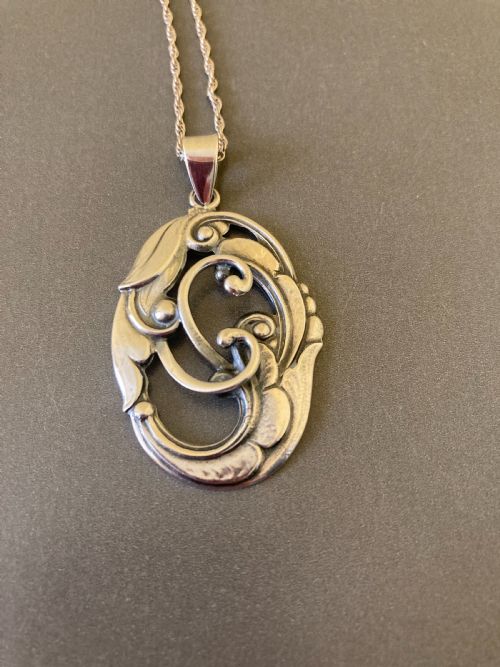
An art deco style pendant brings sharp geometric lines and distinct period character to the neckline, offering a tangible piece of modernist design history.
Art Deco Style Pendant
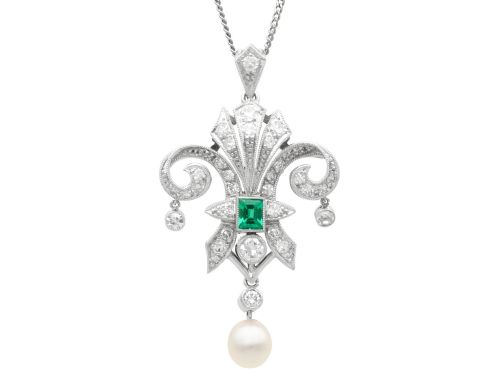
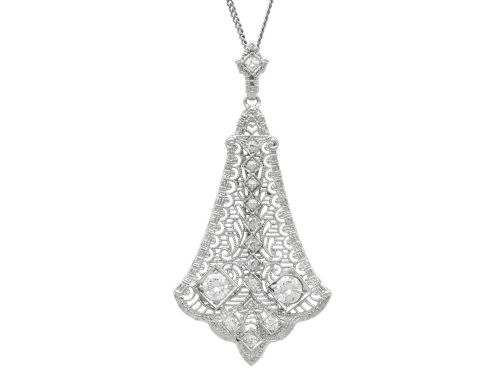
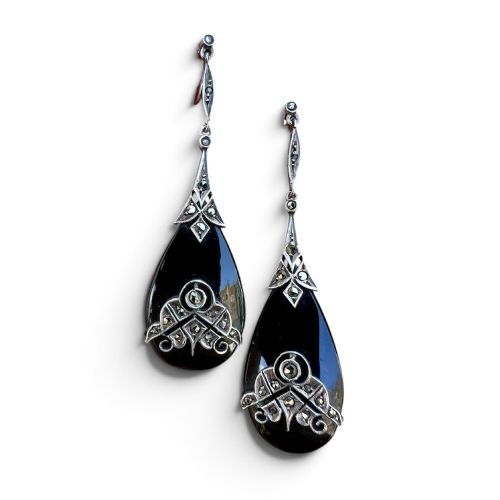
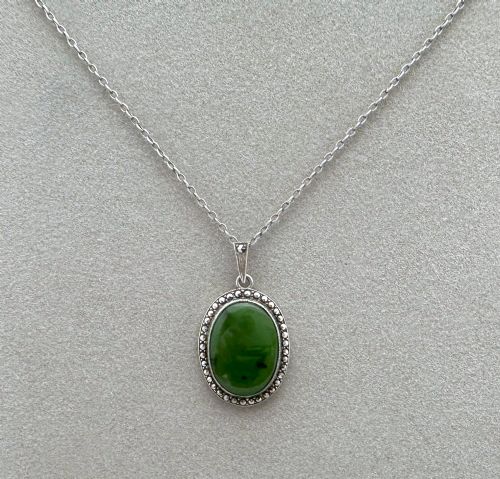
When you search for an art deco style pendant, you encounter pieces that capture the geometric discipline and stylized forms of the early twentieth century. The selections available here span diverse interpretations, from silver and jade drops to platinum and diamond mountings originating around the 1920s and 1930s.
Most examples lean into the architectural symmetry and clean silhouettes characteristic of the period. Alongside these, you meet modernist variations utilising chrome, glass, and enamel that reflect the industrial shifts of the era.
Materials and construction methods
The construction of these pieces relies heavily on precious metals like platinum, white gold, and sterling silver to set gemstones securely. Master jewellers utilised precise cutting techniques for diamonds, aquamarines, and onyx to achieve the signature geometric profiles.
In parallel, modernist examples incorporate industrial metals such as chrome and brass, often paired with moulded glass or enamel panels. These diverse materials demonstrate both traditional fine jewellery fabrication and the period's embrace of new industrial mediums.
Art Deco Style Pendant Retail Price Guide 2026
Typical asking prices for art deco style pendant among the pieces listed under this phrase on Sellingantiques today, from the lower quarter to the upper quarter. They describe what is for sale here now, not the wider market.
Distinctions in quality and execution
Quality in these pendants rests upon the precision of the metalwork and the selection of materials. Finer examples display meticulous bezel or prong settings that hold stones with exact symmetry, whereas simpler pieces show more standard commercial assembly.
The distinction also lies in the integrity of the design and the preservation of original components. Pieces featuring high-carat diamonds and platinum exhibit a superior level of craftsmanship compared to silver-plated or base metal alternatives.
Jakob Bengel
The Art Deco Style Pendant Glossary
- Art Deco
- A design style characterised by sleek geometric shapes, streamlined forms, and a modernist aesthetic. It dominated decorative arts and architecture during the 1920s and 1930s.
- Platinum
- A dense, durable, and naturally white precious metal frequently utilised in high-end period jewellery for secure stone settings. Its strength allowed jewellers to create delicate wirework without sacrificing structural integrity.
- Marcasite
- Small, faceted pieces of iron pyrite set into silver to provide a dark, metallic sparkle resembling cut steel. It was widely used as a decorative border in period accessories.
- Modernist
- An artistic movement emphasising abstract forms, functional design, and rejection of traditional ornamentation. In jewellery, this translated into stark metallic planes and industrial aesthetics.
Art Deco Style Pendant: Frequently Asked Questions
What defines an art deco pendant?
An art deco pendant is defined by its geometric symmetry, clean lines, and distinct architectural influences drawn from the interwar period. These ornaments often utilise stylized motifs rather than organic curves.
They frequently incorporate contrasting materials, pairing diamonds or gemstones with platinum, white gold, or silver settings to create a striking visual impact.
How do I style a period pendant?
Styling an art deco pendant works best when the geometric lines of the piece become the focal point of an outfit. Pairing a drop or necklace with simple necklines allows the modernist design to stand out.
Layering should be approached with care to avoid clashing with the distinct architectural shapes inherent in these period jewels.
How can I tell the 1920s style apart?
The 1920s style is distinguished by strict geometric layouts, symmetrical patterns, and a clear rejection of Victorian ornamentation. Pieces from this era often feature step-cut stones and sharp angles.
Later decades introduced softer modernist shifts or industrial chrome elements, while the interwar years kept to precise metallic frameworks.