

Art Deco Stand
An art deco stand brings geometric strength and functional utility into a room, spanning lighting, storage, and display.
Art Deco Stand
An art deco stand encompasses a varied group of floor-standing and tabletop objects designed to support, illuminate, or display items within a room. When exploring this selection, a buyer encounters forms ranging from standard lamps and floor lamps to umbrella stands, stick stands, and occasional tables.
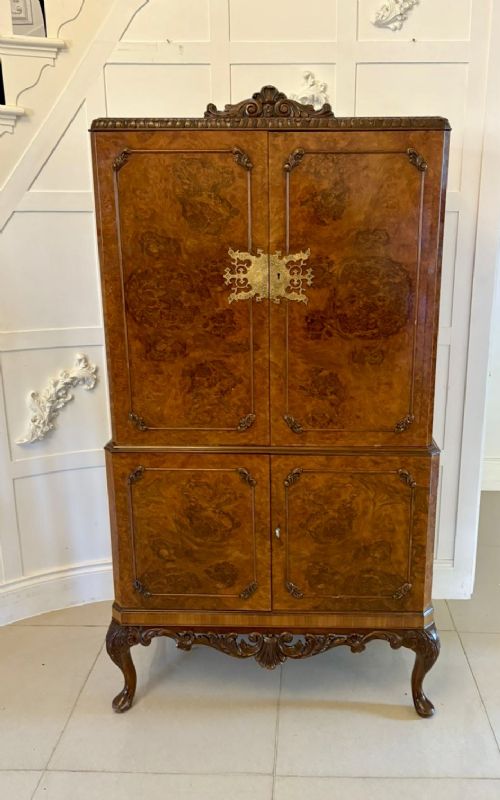
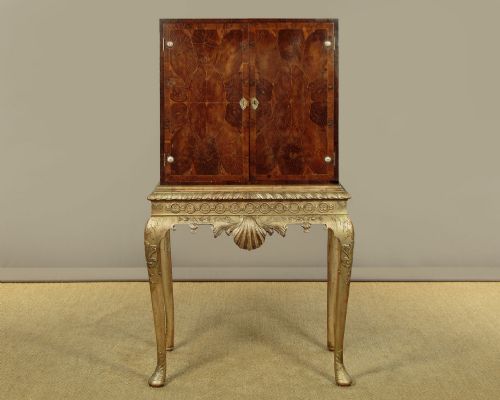
The objects originate primarily from the 1920s, 1930s, and 1940s, alongside pieces reflecting Edwardian traditions or earlier roots. Alongside standard furniture pieces, the category extends to specialised items like cocktail cabinets on stands, desk stands, and display cabinets.
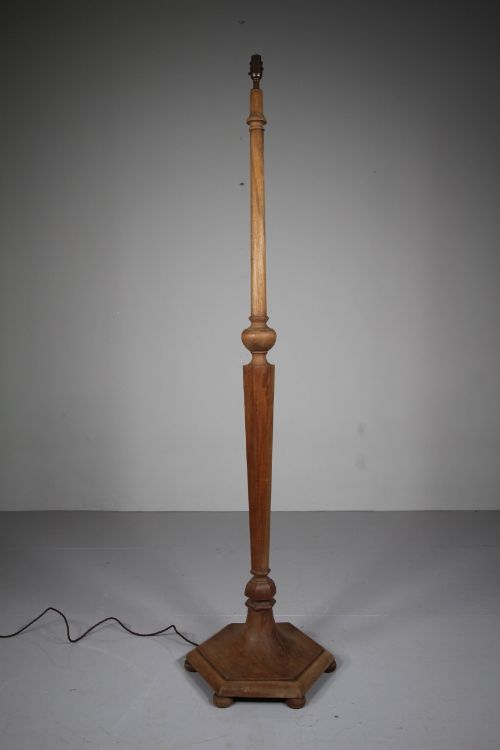
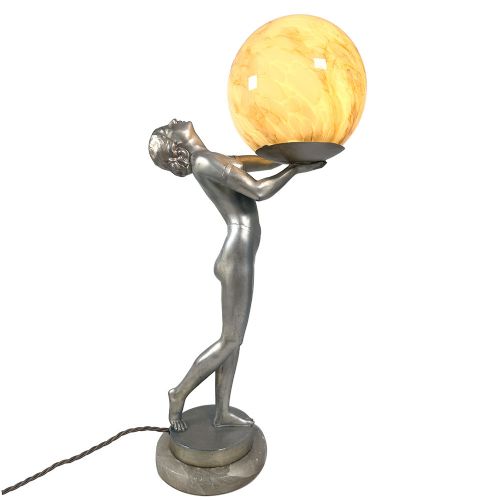
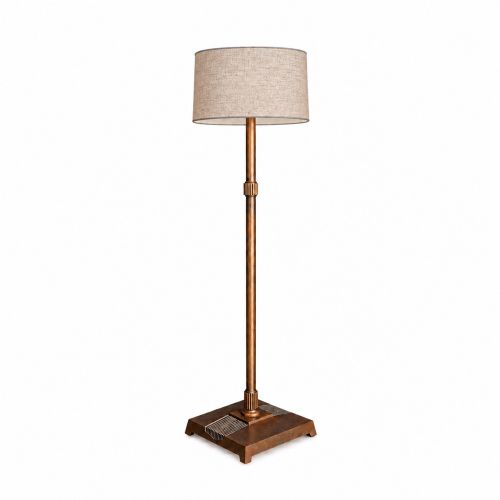
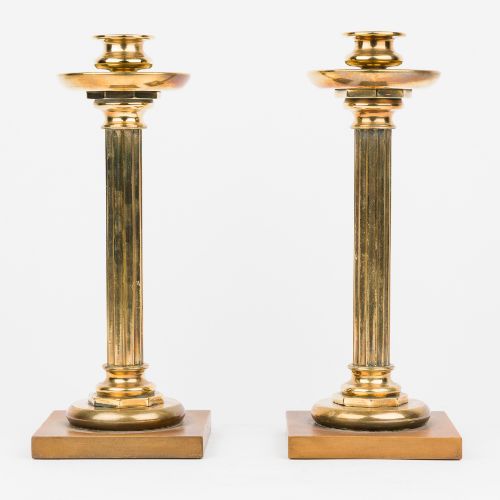
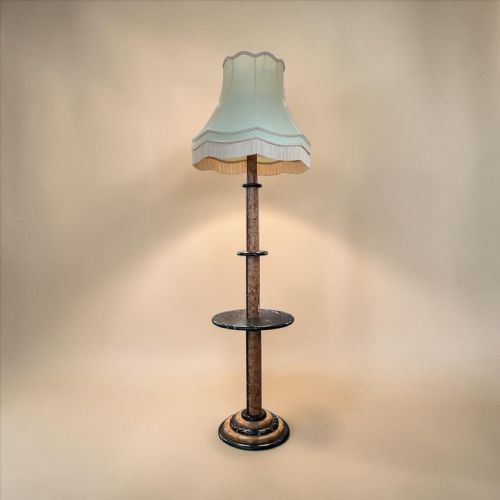
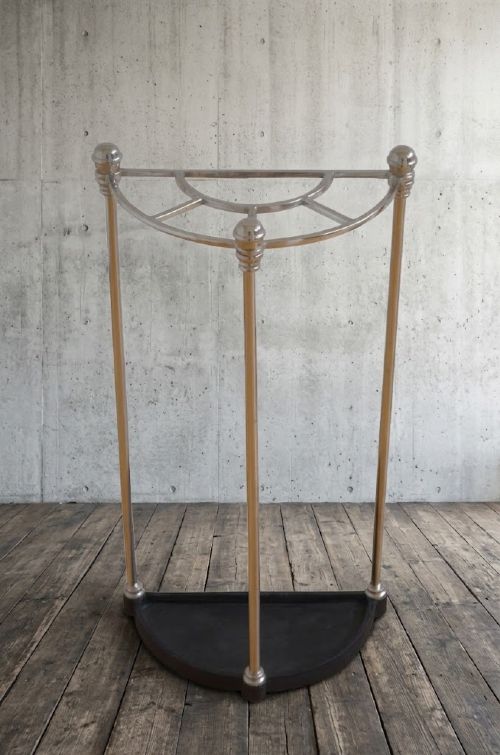
Lighting forms feature prominently, with wooden, metal, and marble standard lamps appearing alongside figural standing lamps. Practical hall storage is represented by nickel-plated and brass umbrella or stick stands with defined divisions.
Materials and construction
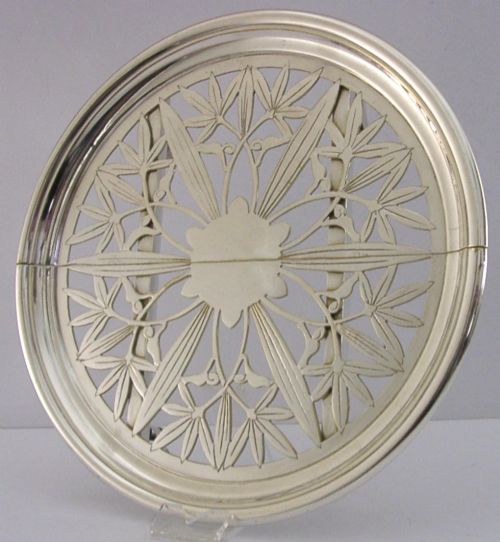
Metals such as brass, bronze, copper, nickel, chrome, and silver plate provide structural support and decorative contrast. Combinations frequently incorporate glass, onyx, marble, spelter, and parchment inlay to enhance the visual texture of the pieces.
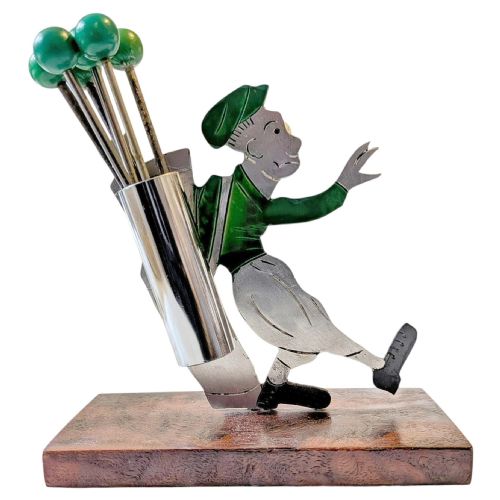
A comical golfer with a caddy stands ready to hand out cocktail sticks.
Distinctions in quality
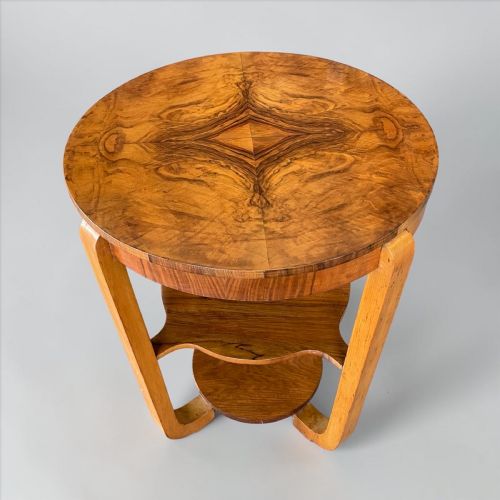
Quality in these pieces is dictated by the selection of materials and the precision of the construction. Figured veneers and choice hardwoods like burr walnut elevate cabinet work, while heavy gauge metals and solid marble provide structural integrity to stands and tables.
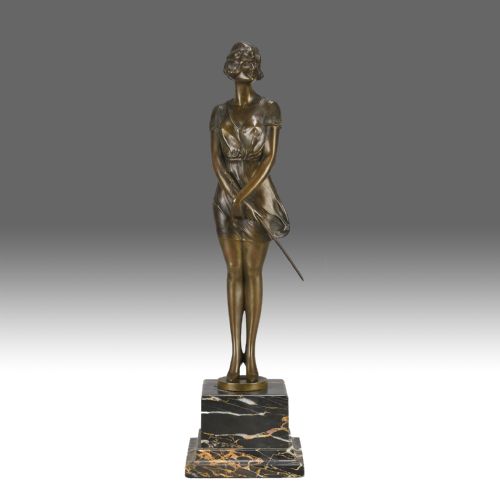
Artistic execution separates standard production from exceptional work, particularly in figural bronze studies, specialised novelty items, and pieces attributed to notable workshops. The integration of contrasting elements, such as onyx bases or parchment inlays, determines the refinement of the finished object.
Heals·Bruno Zach·Sudre·Maurice Jallot·Rene Lalique
The Art Deco Stand Glossary
- Standard lamp
- A tall floor-standing lamp designed to provide ambient illumination in a room. These frequently incorporate wooden shafts or metal columns.
- Demi-lune
- Half-moon shape, commonly applied to the footprint of console tables and umbrella stands designed to sit flush against a wall.
- Spelter
- An alloy of zinc used as a substitute for bronze in decorative figures and lamp bases during the period. It is often painted or bronzed to simulate heavier metal.
- Veneer
- A thin layer of superior wood, such as burr walnut, applied over a secondary timber base to create decorative grain patterns on cabinet surfaces.
- Engine-turned
- A mechanical engraving technique producing intricate geometric patterns on metal surfaces, frequently seen on silver frames and desk accessories.
Art Deco Stand: Frequently Asked Questions
Where should an art deco stand be placed?
Floor-standing lamps and occasional tables suit living rooms and studies to provide focal points and functional surfaces. Umbrella and stick stands function best in hallways to offer practical storage near an entryway.
Cabinet stands and display pieces fit dining rooms or drawing rooms to house glassware, spirits, or decorative collections. Positioning depends on scale, lighting, and the specific utility of the individual piece.
How do I care for wooden stands?
Maintain wooden surfaces by dusting regularly with a soft cloth and applying a quality wax periodically to nourish the grain. Protect veneers from direct sunlight and excessive moisture to prevent warping or fading.
Avoid placing items near direct heat sources, which can dry out timber and crack polished finishes. Gentle handling preserves the original patination and structure of the wood.
Are metal stands difficult to maintain?
Metal components require minimal intervention beyond regular dusting with a dry microfibre cloth. Avoid abrasive cleaners or harsh chemical polishes that can strip original plating or patination.
Brass, bronze, nickel, and chrome each react differently to humidity, so keeping pieces in stable indoor environments prevents corrosion. Specialised metal care products should be used sparingly and only when necessary.
How can I identify the period of a stand?
Dating relies on examining construction methods, material choices, and stylistic markers characteristic of the early twentieth century. Geometric lines, stepped forms, and specific material combinations point towards the design vocabulary of the interwar decades.
Maker marks, signatures on bronzes, or remnants of paper labels help confirm origin and date. Comparing the form against documented pieces from the same era provides further clarity.