







Art Deco Silver Table Accessory
An art deco silver table accessory brings geometric precision and polished metal to dining and dressing rooms across the decades.
Art Deco Silver Table Accessory
An art deco silver table accessory comprises functional and decorative items designed for the dining table, dressing table or desk, spanning the period from the 1920s through to the 1950s.
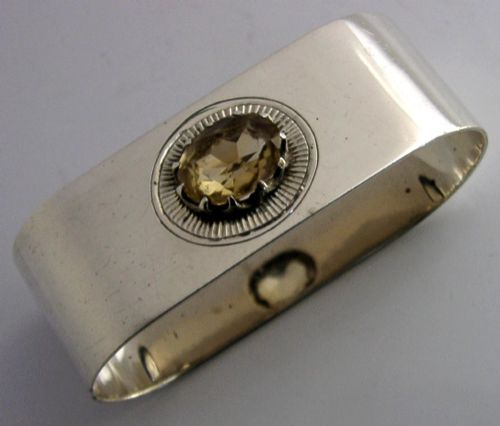
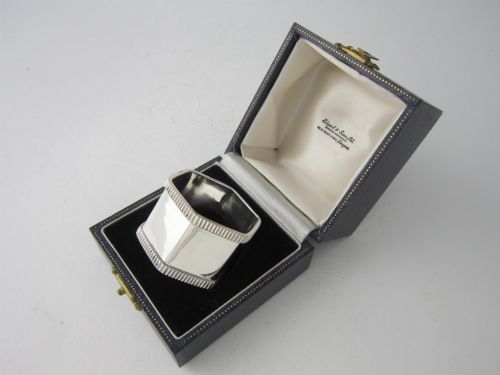
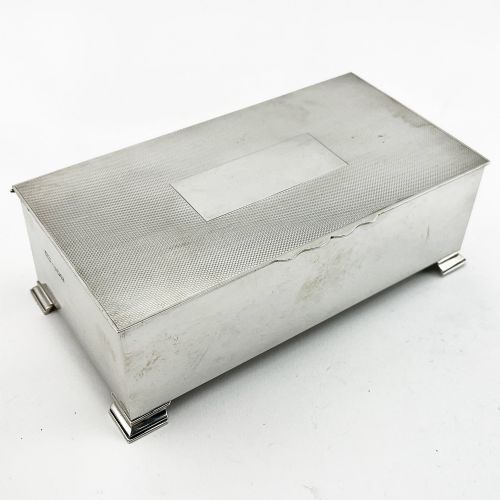
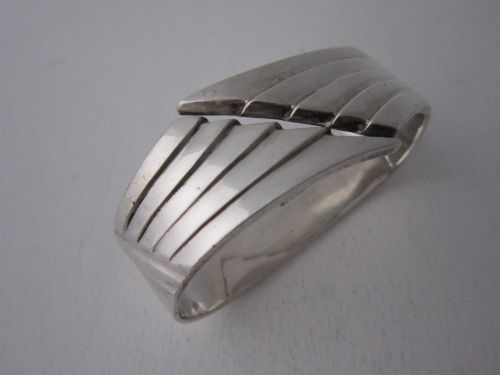
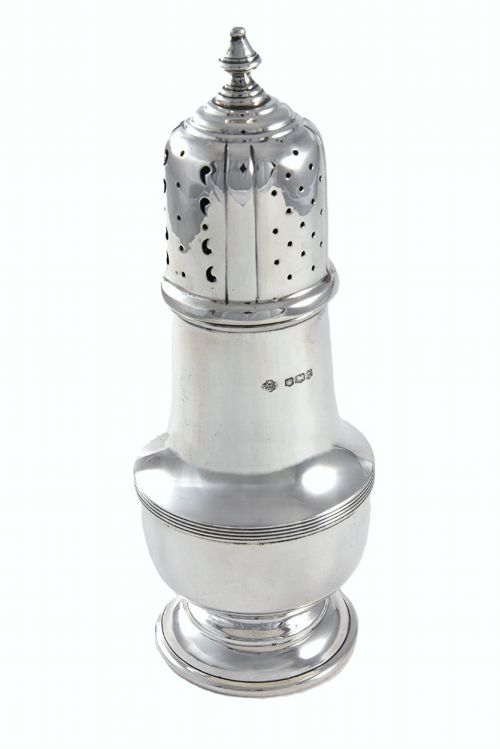
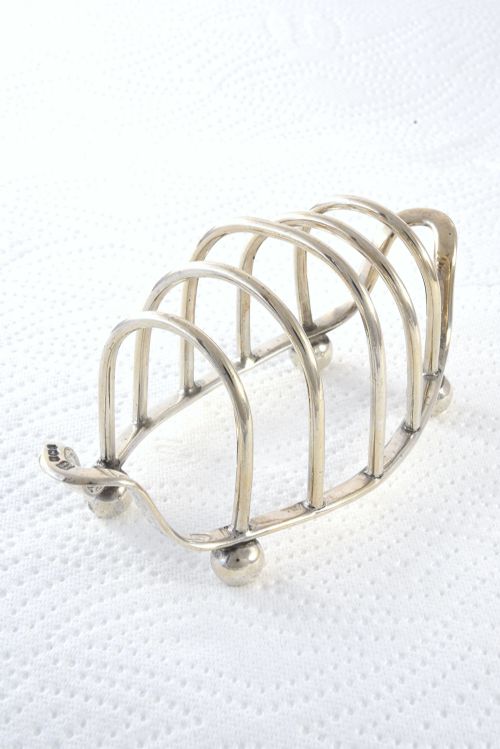
Napkin rings, scent bottles, boxes and sugar casters form the core of these listings, alongside shaving sets, toast racks and menu holders.
English production dominates the selection, joined by American, Scandinavian and Italian works that show the international spread of the style.
Materials and construction
Sterling silver provides the structural foundation for mounts, frames and hollowware, frequently paired with cut glass, amethyst glass and coloured enamel.
Textured surfaces rely on specialist finishes like shagreen, leatherette, velvet and satin, adding tactile contrast to the cold shine of metal.
Makers combine traditional smithing techniques with guilloche engraving and enamel work to achieve the characteristic geometric patterns of the period.
Art Deco Silver Table Accessory Retail Price Guide 2026
Typical asking prices for art deco silver table accessory among the pieces listed under this phrase on Sellingantiques today, from the lower quarter to the upper quarter. They describe what is for sale here now, not the wider market.
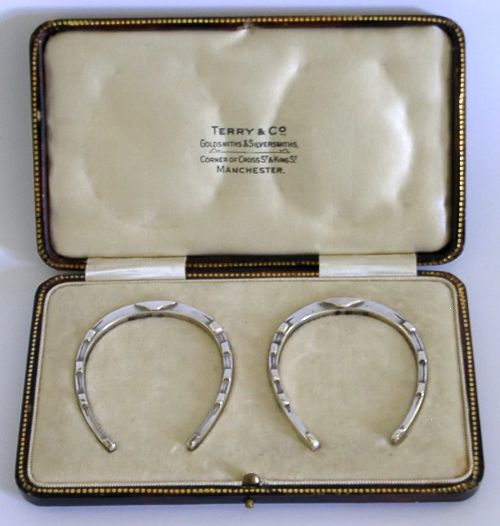
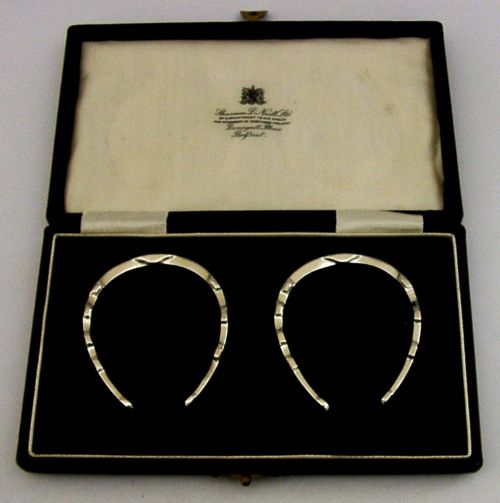
Horseshoe napkin rings bring a touch of mid-century dining superstition straight to the breakfast table.
Judging quality
The distinction between standard production and top tier work rests on the crispness of the geometric detail and the integration of secondary materials like enamel or shagreen.
Renowned silversmiths and designers achieve superior results through heavier gauge silver, cleaner hinges on boxes and unblemished glass linings.
Pieces bearing distinct maker marks or attributed to notable workshops demonstrate finer hand finishing than anonymous utilitarian items.
Mappin and Webb·Sigvard Bernadotte for Georg Jensen·Karl Palda·Henry Perkins·Asprey and Co·David Andersen
The Art Deco Silver Table Accessory Glossary
- Guilloche
- An ornamental engine turned technique that produces precise, intricate recurring patterns beneath a translucent enamel layer.
- Shagreen
- Rawhide typically sourced from shark or ray skin, dried and sanded to create a characteristic granular texture on boxes and lighters.
- Sterling silver
- An alloy consisting of ninety-two point five percent silver by mass, standard for durable tableware and decorative accessories.
- Caster
- A small perforated container used for sprinkling sugar or spices over food at the table.
- Toast rack
- A small metal frame with vertical dividers designed to hold slices of toast upright and prevent them from becoming soggy.
Art Deco Silver Table Accessory: Frequently Asked Questions
What counts as an art deco silver table accessory?
These pieces include functional items made of silver or mounted with silver, designed for use on dining tables, desks or dressing tables.
The category encompasses napkin rings, sugar shakers, butter dishes, scent bottles, boxes and smokers requisites produced during the twentieth century.
How do I identify the date of a piece?
English items typically carry hallmarks that indicate the assay office, the standard of metal and a specific date letter for the year of manufacture.
Foreign pieces rely on maker marks, style characteristics and stamped metal purity numbers to establish their period.
How were glass and silver combined in these items?
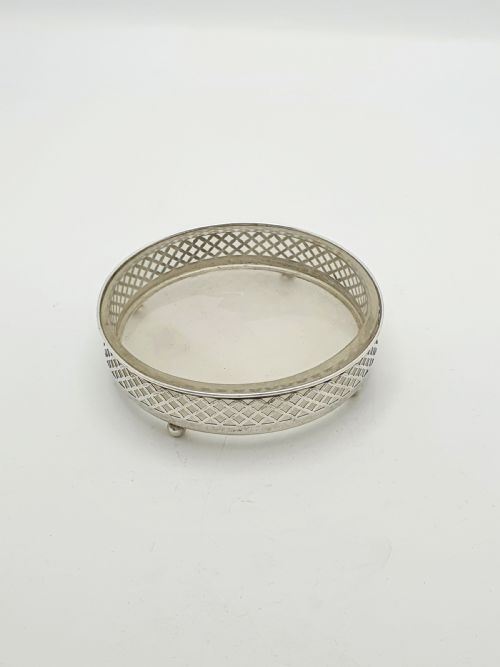
Makers housed glass scent bottles, butter dishes and rouge pots within fitted silver mounts, collars or pierced silver frames.
Cut glass and overlay amethyst glass provide contrasting colour and weight against the bright polished surface of the metal.
How should I care for silver with enamel?
Enamel surfaces require gentle cleaning with a soft cloth and mild soapy water, avoiding abrasive polishes that scratch the glass glaze.
Silver portions can be treated with standard silver cream while keeping polish away from any enamel or shagreen sections.