


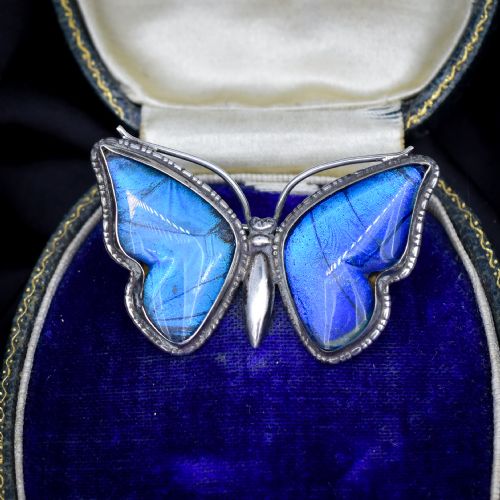
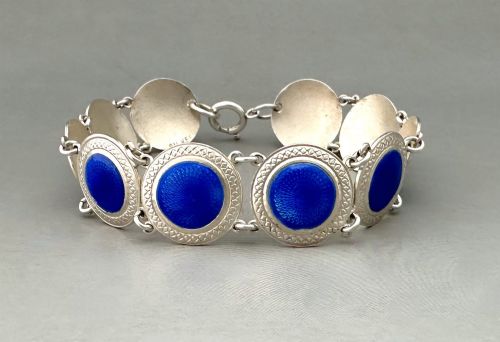
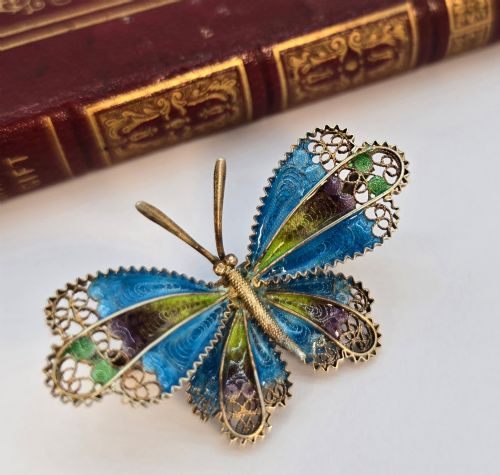
Art Deco Silver Jewelry
Art deco silver jewellery brings together geometric lines, bright enamel and glittering paste stones from the interwar years.
Art Deco Silver Jewelry
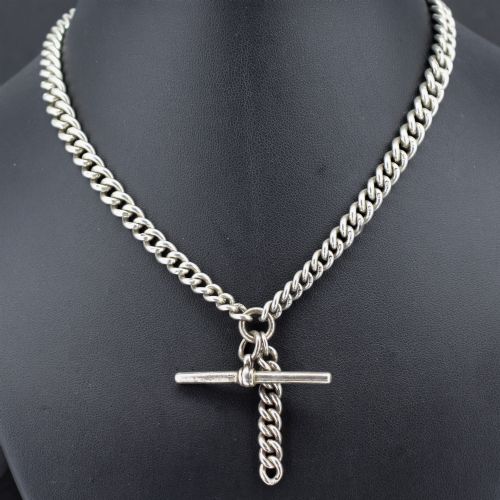
Art deco silver jewellery encompasses rings, bracelets, brooches and necklaces produced predominantly during the 1920s and 1930s. These pieces reflect a distinct shift towards streamlined geometry and stylised motifs after the First World War.
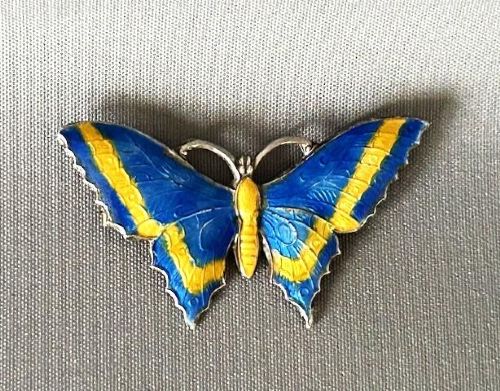
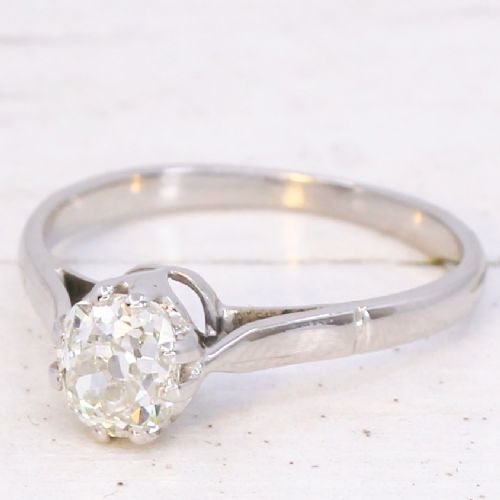
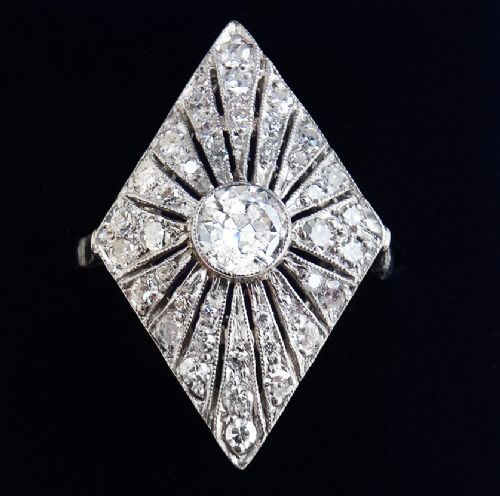
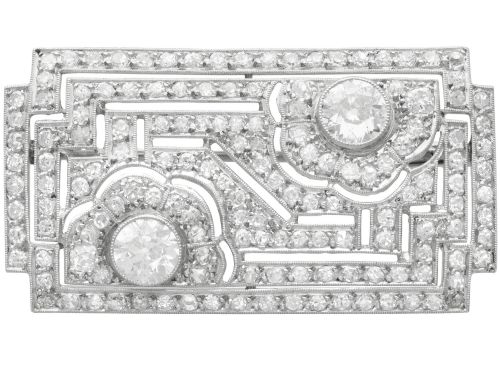
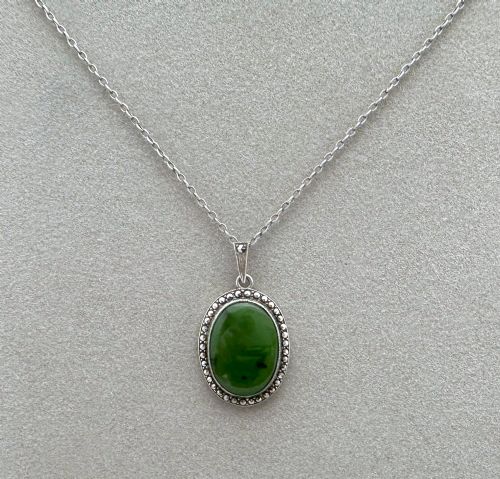
The items most frequently encountered on this page combine sterling silver or silver gilt settings with coloured glass paste, marcasite and vibrant enamel panels. Alongside these, diamond and platinum pieces represent the finer end of the period output.
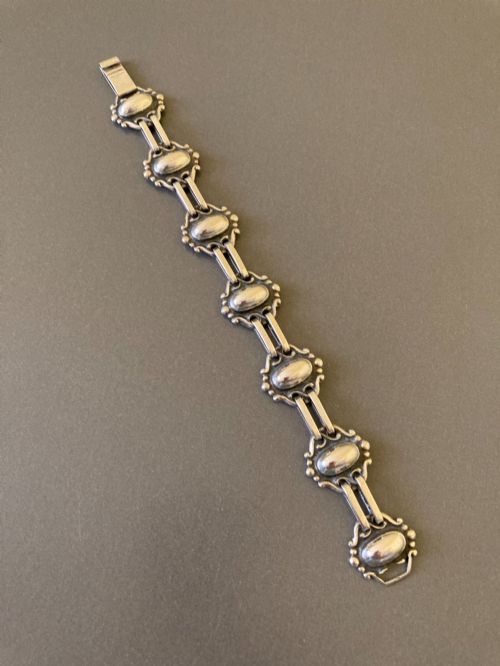
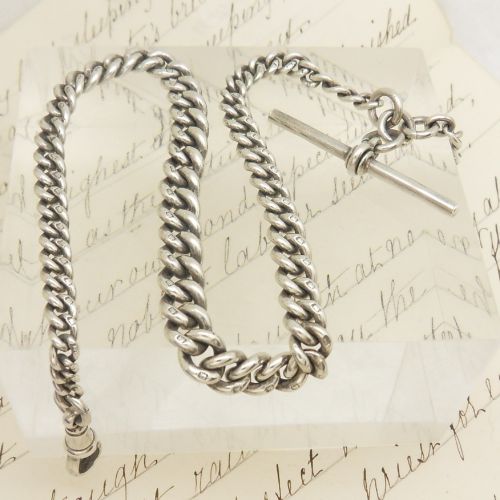
Makers and designers from Britain, Scandinavia and continental Europe contributed significantly to this repertoire, producing everything from simple filigree bracelets to elaborate Egyptian Revival pendants.
Materials and construction
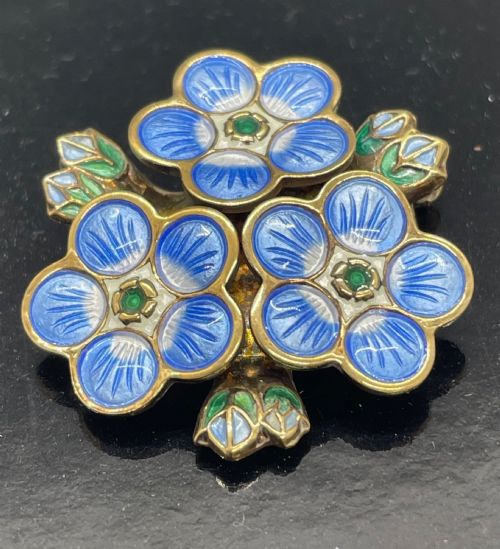
Silversmiths utilised sterling silver and silver gilt as the primary metal foundations, often mounting high-value stones in platinum or white gold claws. Enamel work, particularly guilloché and bright coloured variants, provided vivid surface decoration.
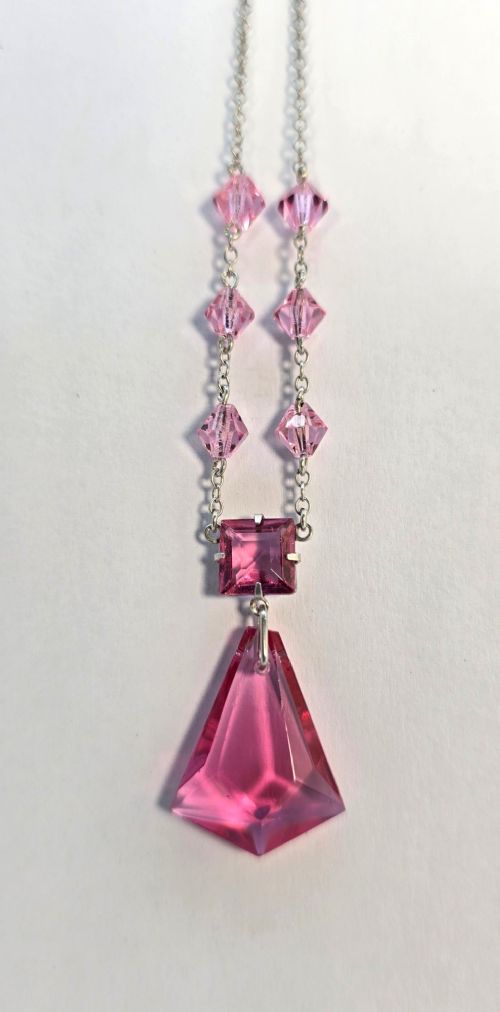
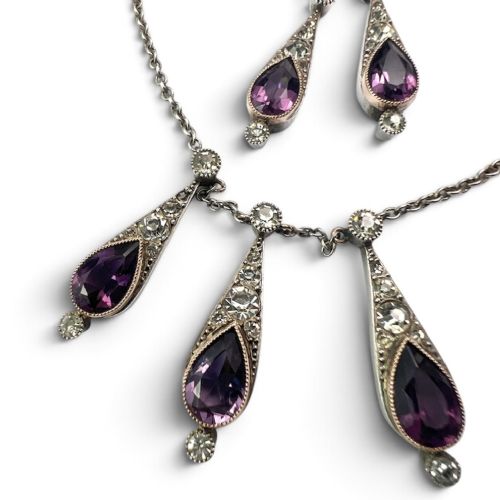
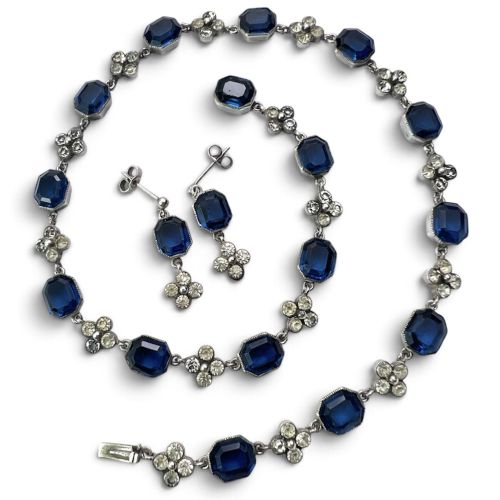
Sparkling glass paste, synthetic sapphire and amethyst stones stood in for precious gems in accessible daily wear, while marcasite chips added a subtle metallic sheen around bezels and clasps.
Specialised techniques such as filigree wirework, hand-cutting crystal and articulating geometric links allowed makers to create flexible bracelets and structured drop earrings.
Art Deco Silver Jewelry Retail Price Guide 2026
Typical asking prices for art deco silver jewelry among the pieces listed under this phrase on Sellingantiques today, from the lower quarter to the upper quarter. They describe what is for sale here now, not the wider market.
The selection spans items dated from nineteen hundred through the mid-century, with a strong concentration of nineteen-thirties pieces.
Distinguishing quality
The distinction between standard commercial output and superior work rests largely on the precision of the metal smithing and the crispness of the enamel or stone setting. Master workshops ensured every hinge, clasp and screwback mechanism functioned with absolute rigidity.
Finishing details define the upper tier of pieces, visible in the hand-cut facets of paste stones, the tight uniformity of marcasite pavé work and the complete absence of enamel firing flaws.
David Andersen·Mappin & Webb·Jakob Bengel
The Art Deco Silver Jewelry Glossary
- Marcasite
- Small faceted crystals of iron pyrite set tightly into silver to create a sparkling, dark metallic border. This material gained immense popularity during the interwar period.
- Guilloché
- A decorative technique where a precise mechanical pattern is engraved into metal beneath a translucent layer of enamel. The underlying design shimmers through the coloured glass.
- Paste
- Hand-cut and polished lead glass used to simulate precious gemstones. High quality paste stones display sharp facet junctions and convincing depth of colour.
- Silver Gilt
- Sterling silver that has been coated with a thin layer of gold, often referred to as vermeil. This treatment offered the rich appearance of solid gold items.
- Filigree
- Delicate openwork created by twisting and soldering fine silver wires into intricate lace-like patterns. It appears frequently in Continental and Scandinavian designs.
Art Deco Silver Jewelry: Frequently Asked Questions
How do I spot genuine pieces?
Examine the metal construction for period-appropriate hallmarks, secure stone settings and traditional clasp mechanisms. Genuine items from the interwar years display consistent hand-finishing rather than modern casting seams.
Look closely at the reverse of brooches and pendants, where traditional pin stems and box hinges reveal the manufacturing standards of the period.
Are paste stones modern replacements?
Paste stones are entirely authentic to period production, frequently utilised by makers to achieve bold, colourful designs without prohibitive gem costs. These high-lead glass stones were hand-faceted and set with the same care as precious gems.
Distinguishing original paste involves checking for characteristic edge wear and hand-cut proportions that match the surrounding silver mount.
How should I clean my silver?
Clean silver gently with a soft microfibre cloth to remove surface tarnish without disturbing delicate marcasite settings or enamel panels. Avoid liquid chemical dips entirely, as they strip the dark oxidisation intended by the maker.
Store pieces individually in dry, soft-lined compartments to prevent scratching between items, particularly when dealing with softer enamel surfaces.
What defines Egyptian Revival pieces?
Egyptian Revival items draw direct inspiration from archaeological discoveries of the 1920s, incorporating motifs such as pharaohs, lotus flowers and scarabs. These designs use contrasting black enamel and bright metalwork to mimic ancient artefacts.
Such pieces range from small propelling pencil pendants to elaborate brooches, translating ancient iconography into wearable interwar accessories.