




Art Deco Silver Desk Accessory
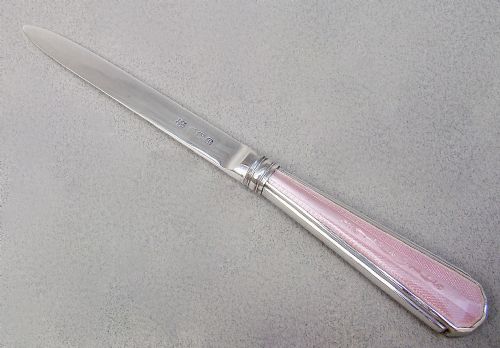
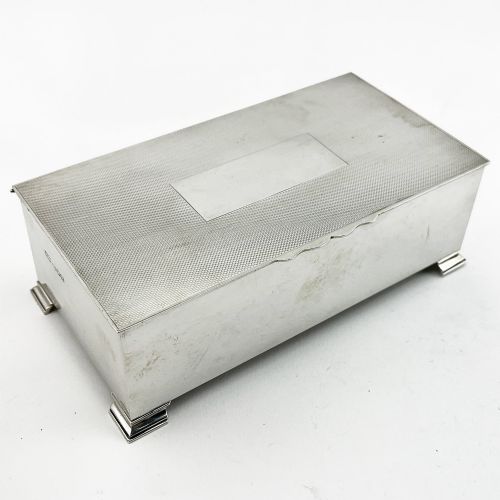
An art deco silver desk accessory brings geometric discipline and luxury to a study, combining precious metals with shagreen, enamel, glass and onyx.
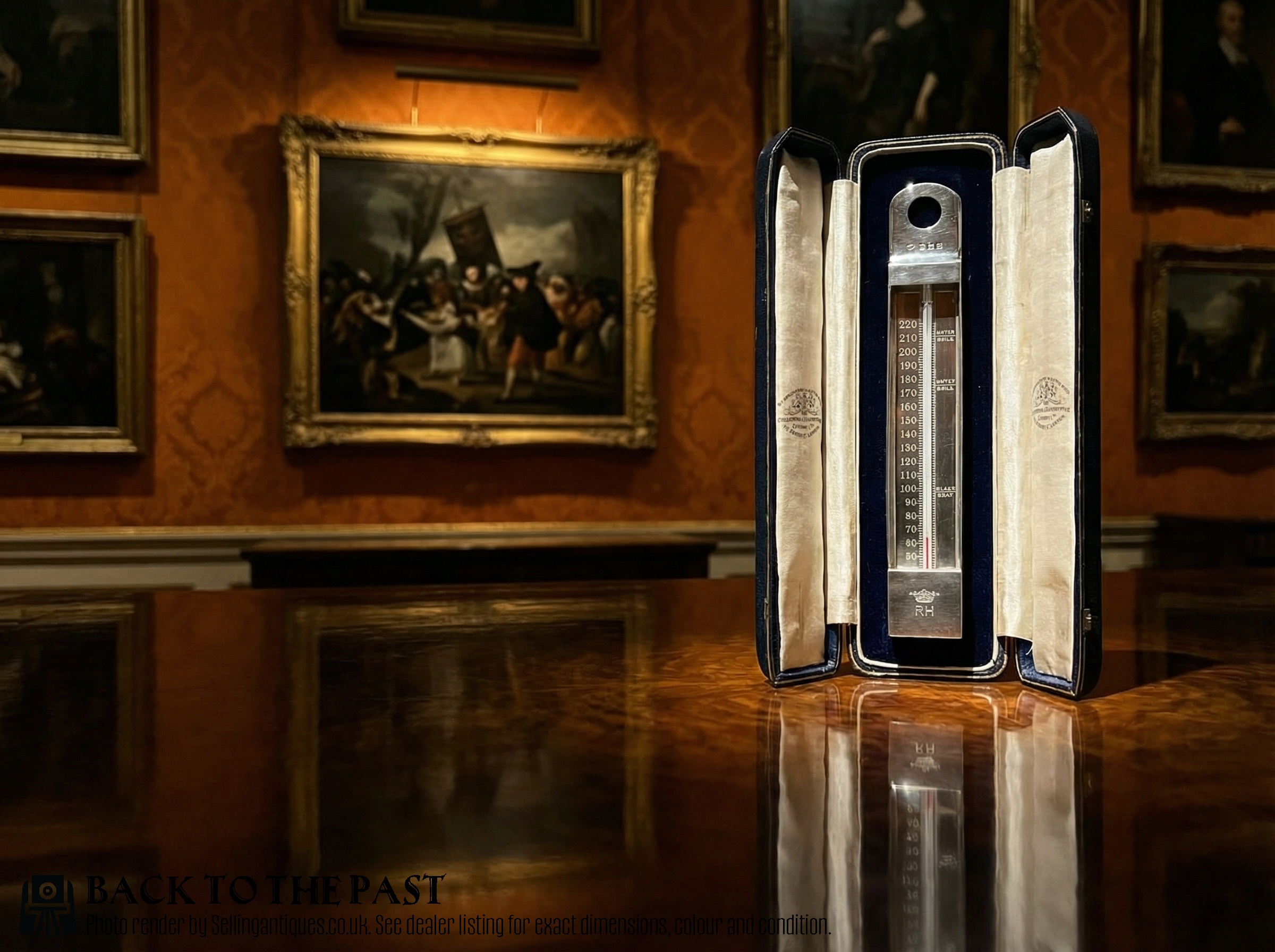
Art Deco Silver Desk Accessory
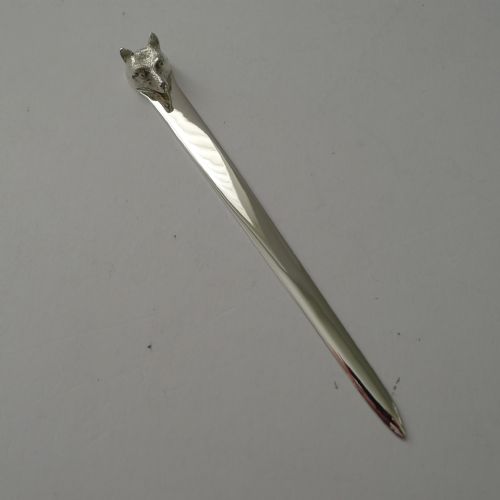
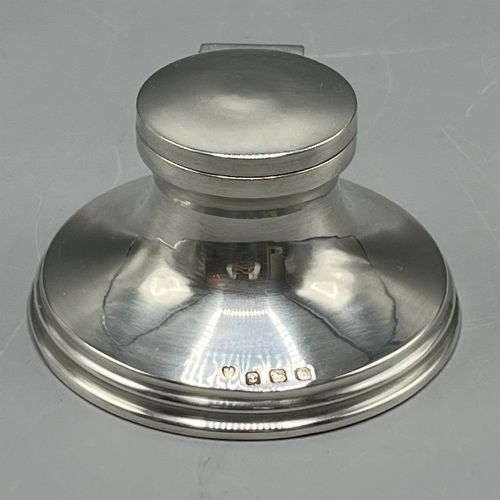
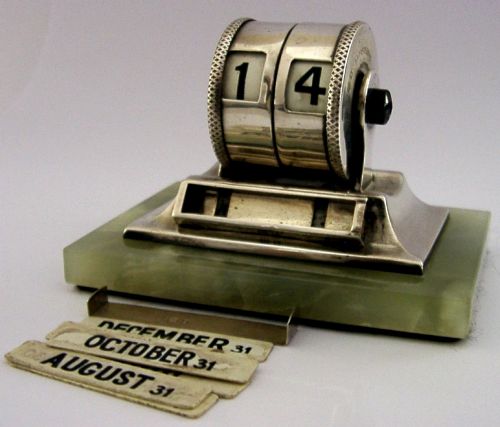
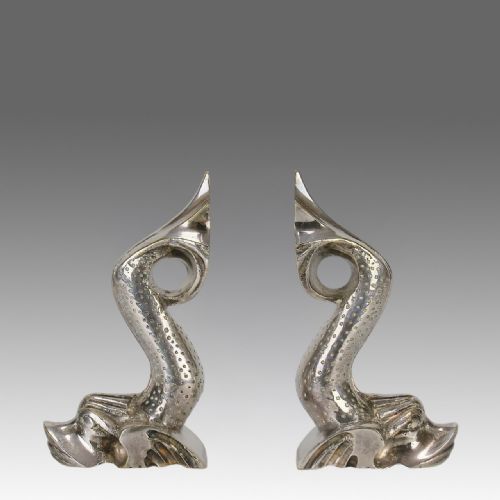
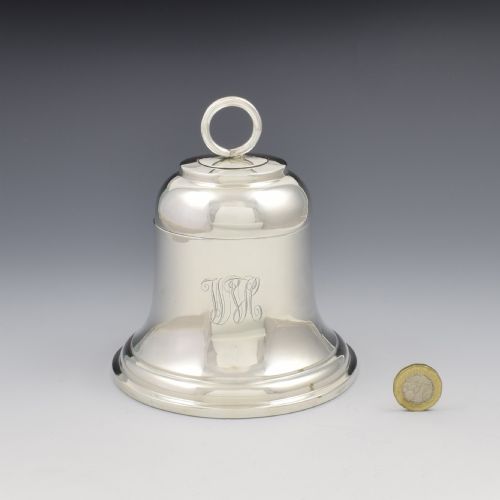
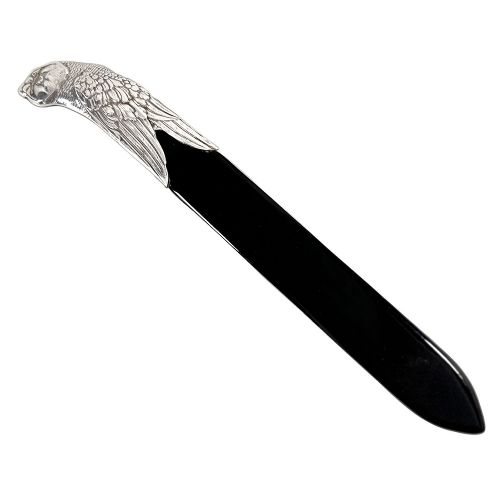
An art deco silver desk accessory encompasses practical items for the study and writing table, spanning inkwells, letter openers, magnifying glasses, calendars, and smoking accessories.
The pieces seen here date predominantly from the interwar decades of the 1920s and 1930s, alongside a few earlier Edwardian and Art Nouveau examples.
Desk sets and writing implements take distinct geometric forms, often pairing sterling silver or silver plate with contrasting panels of green onyx, amber glass, and textured shagreen.
Materials and Technique
Silversmiths utilised sterling silver and silver plate for structural mounts, frames, and housings, frequently applying engine-turned decoration or smooth polished planes.
Textured organic surfaces such as stingray skin, tortoiseshell, and celluloid provide tactile contrast to cold metal and heavy cut glass or marble bases.
Vibrant colour enters the medium through translucent guilloche enamel applied over guilloche patterns, as well as through inlaid lapis lazuli and carved green onyx.
Listings demonstrate a strong representation of the 1920s and 1930s interwar period, incorporating sterling silver, glass, shagreen, and enamel.
Standards of Execution
Quality rests upon the crispness of the geometric casting, the tightness of joints in multi-material pieces, and the unblemished state of delicate enamel or glass inserts.
Maker attribution elevates standard utilitarian items into desirable collector pieces, particularly when bearing marks from respected silversmiths or London and regional assay offices.
The Barker Brothers·Mappin And Webb·Sigvard Bernadotte For Georg Jensen·Deakin And Francis·P H Vogel And Co
The Art Deco Silver Desk Accessory Glossary
- Guilloche enamel
- A decorative technique where translucent enamel is laid over engine-turned metal engraving. This creates repetitive geometric waves or sunburst patterns beneath a glassy coloured surface.
- Shagreen
- Prepared shark or stingray skin with a granular surface texture. It appears frequently on interwar boxes, magnifiers, and lighters for tactile grip and exotic visual contrast.
- Sterling silver
- An alloy containing 925 parts of silver per thousand. British pieces carry hallmarks indicating the assay office, standard, and date letter.
- Inkstand
- A fitted tray or stand holding inkwells, pen rests, and sometimes sanders or stamp boxes. They form the architectural centrepiece of a traditional writing desk.
Art Deco Silver Desk Accessory: Frequently Asked Questions
What is an art deco silver desk accessory used for?
These objects served functional roles on writing desks and library tables during the early twentieth century. Items ranged from inkwells and blotting pads to letter openers and perpetual calendars.
Today, they function as decorative desktop objects or collector display pieces that retain their period utility.
How do I identify a 1930s desk piece?
Look for characteristic interwar design traits such as clean geometric lines, stylised motifs, and modernistic asymmetry. Materials like chrome, green onyx, and shagreen also point directly to this era.
British pieces will typically bear hallmarks and date letters stamped directly into the silver mounts.
How should I clean silver and enamel?
Dust metal surfaces gently with a soft microfibre cloth and avoid harsh abrasive dips that can damage enamel or organic inlays. Professional silver polish should be used sparingly around vulnerable edges.
Keep glass and onyx components wiped clean with a damp cloth to preserve their original lustre.
Are these pieces made of solid silver?
Many items feature solid sterling silver mounts, frames, or lids, often stamped with standard town marks and lion passant hallmarks. Other examples utilise silver plate over a base metal core.
Non-metal elements such as glass inkwells, marble bases, and shagreen panels form the structural body of the object.