





Art Deco Silver Cup
An art deco silver cup brings geometric line and functional weight to a table, offering an enduring piece of interwar design.
Art Deco Silver Cup
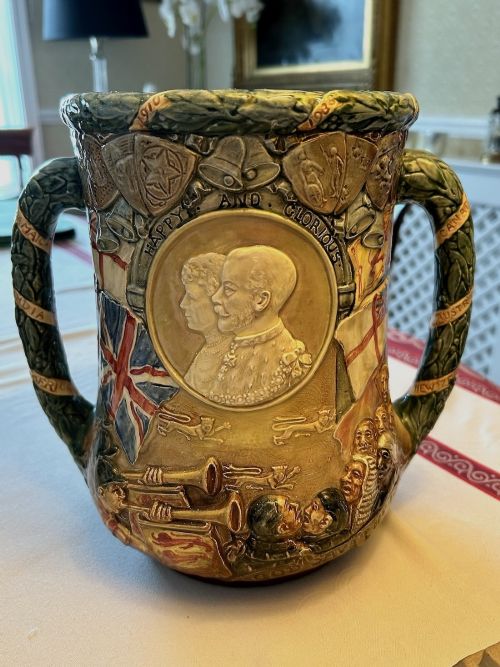
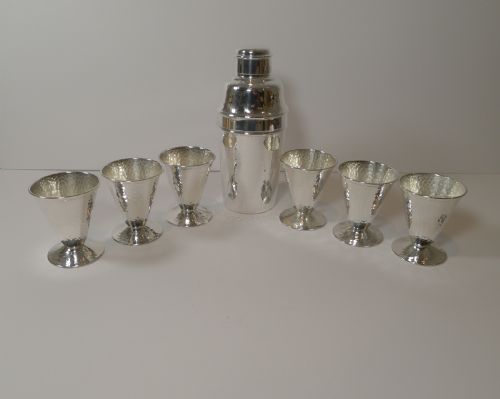
When you search for an art deco silver cup, you encounter a range of drinking vessels, trophies, and barware created across the 1920s, 1930s, and 1940s. These pieces encompass heavy sterling silver beakers, cocktail goblets, quaichs, and trophy cups shaped by the distinct aesthetic of the period.
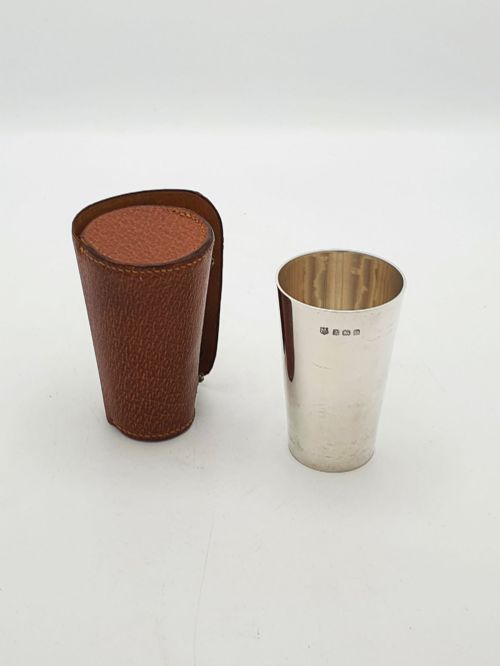
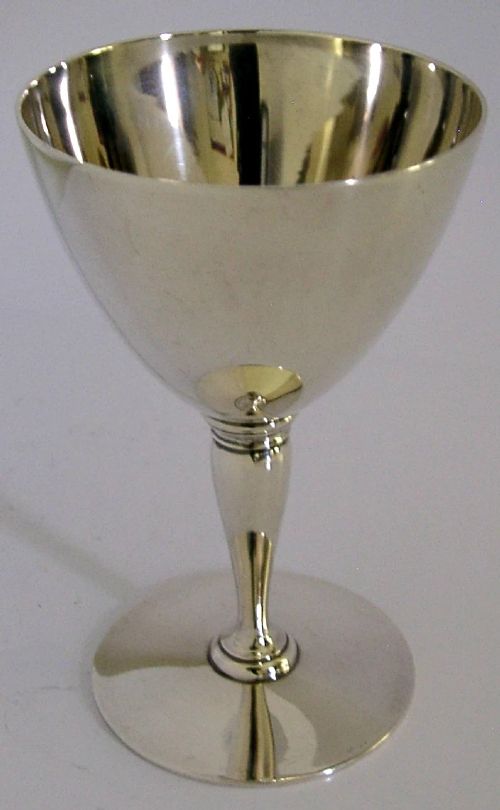
The most common examples on this page are sturdy sterling silver barware items, such as cocktail glasses and beaker cups, alongside commemorative pieces and egg cups. Makers utilised clean lines and utilitarian forms to create vessels intended for both display and active use.
Originating predominantly from English and French workshops, these cups reflect the transition from traditional George V designs to streamlined modernist silhouettes. Collectors find everything from modest christening mugs to large presentation chalices within this grouping.
Evaluating craftsmanship
Quality rests upon the weight of the metal, the crispness of the geometric detailing, and the integrity of the maker marks stamped into the silver. Substantial gauge sterling silver commands greater attention than plated alternatives due to its material density and lasting durability.
Design execution separates standard production items from superior bespoke pieces, particularly where hand-hammering or complex multi-piece construction is involved. Balance in the hand and clean proportions indicate a higher tier of period manufacture.
Art Deco Silver Cup Retail Price Guide 2026
Typical asking prices for art deco silver cup among the pieces listed under this phrase on Sellingantiques today, from the lower quarter to the upper quarter. They describe what is for sale here now, not the wider market.
Listings feature sterling silver and silver plate alongside glass, porcelain, and earthenware across the 1920s, 1930s, and 1940s.
Tiffany and Co·Elkington·James Dixon and Sons·Maison Barra·St Medard·Barker Brothers Silver Ltd·Royal Doulton
The Art Deco Silver Cup Glossary
- Sterling silver
- An alloy containing 925 parts of silver per thousand, ensuring durability and a bright finish. This standard underpins the majority of valuable drinking vessels from the era.
- Quaich
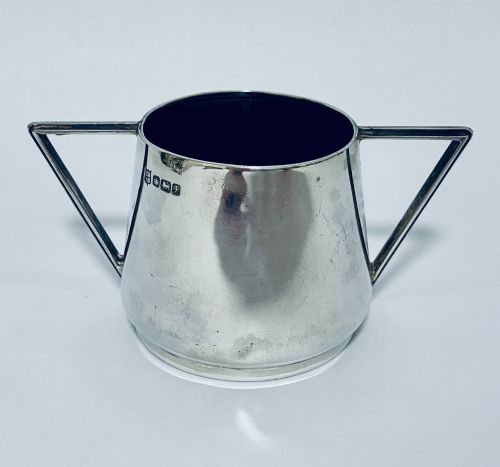
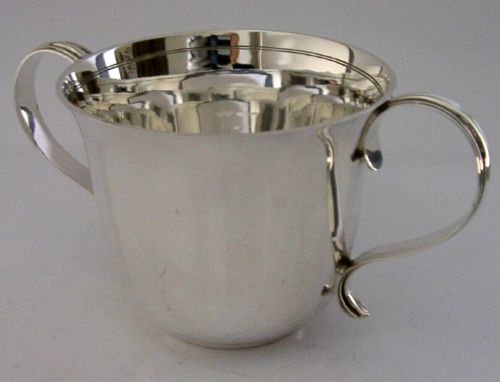
- A traditional two-handled drinking vessel originating in Scotland, adapted during the period into streamlined silver and pewter formats. It serves as both a bowl and a cup for social toasts.
- Beaker
- A straight-sided cylindrical drinking cup without a handle, often weighted at the base. These forms highlight the minimalist geometry favoured by modernist designers.
- Silver plate
- A base metal foundation coated with a thin layer of pure silver, offering the visual appeal of solid metal at a different scale of production. Many cocktail shakers and sets utilised this technique.
- Gilt
- A thin application of gold wash applied to the interior surface of a silver cup or bowl. This treatment protected the metal from acidic beverages.
Art Deco Silver Cup: Frequently Asked Questions
What is a quaich cup used for?
A quaich functions as a traditional two-handled drinking vessel, commonly passed among guests during celebratory toasts or gatherings. Its shallow bowl design allows participants to hold it securely with both hands.
In the interwar period, silversmiths reinterpreted this historic Scottish form with clean geometric lines, merging ancient tradition with modern aesthetic preferences.
How do I identify a sterling piece?
You identify a sterling piece by examining the surface for official hallmarks, which typically include a lion passant, a date letter, and a city mark in British items. These stamps confirm the purity of the metal and the year of assay.
Heavier items often bear maker stamps alongside the purity mark, verifying their workshop origin and composition.
Were these cups meant for display?
Many examples served a dual purpose as functional barware and presentation pieces, intended for active use during cocktail preparation or dining. Trophy cups, however, were primarily commissioned for athletic competitions or commemorative events.
Owners frequently utilised silver beakers and cocktail goblets for entertaining before placing them on sideboards as decorative objects.
What distinguishes French art deco pieces?
French creations often incorporate experimental pairings of silver plate or solid metal with fine glass, porcelain, or specialised leather bindings. Workshops in Paris favoured avant-garde cocktail sets and shakers with dramatic silhouettes.
These continental designs frequently emphasise sleek, architectural lines that differ from traditional English sporting trophies.