

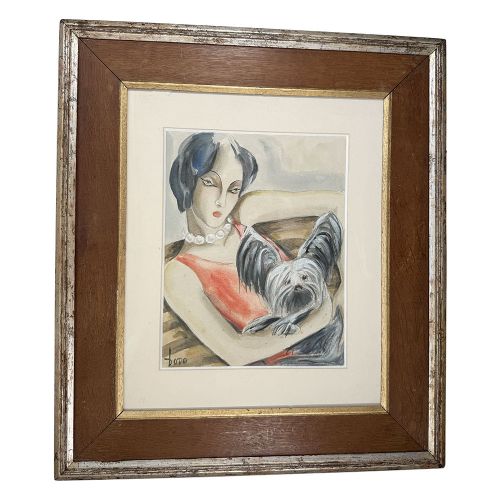
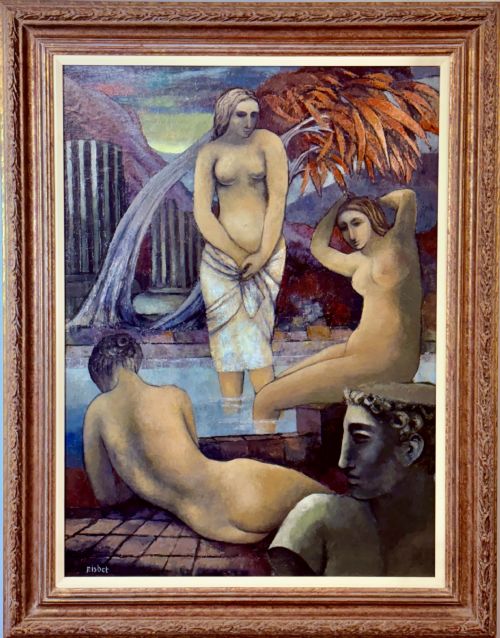
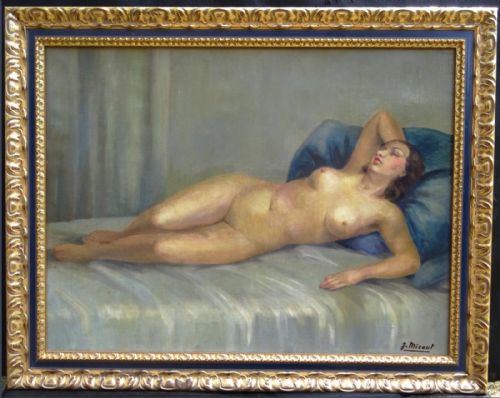
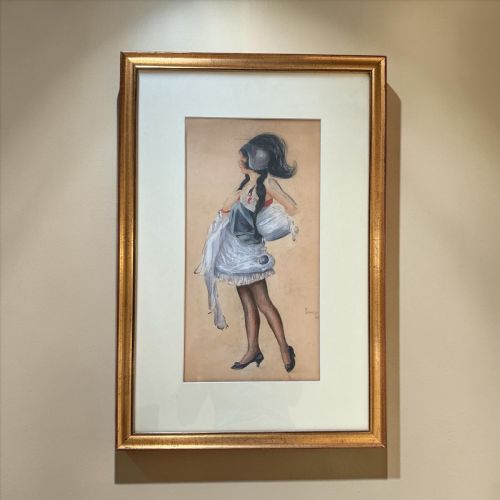


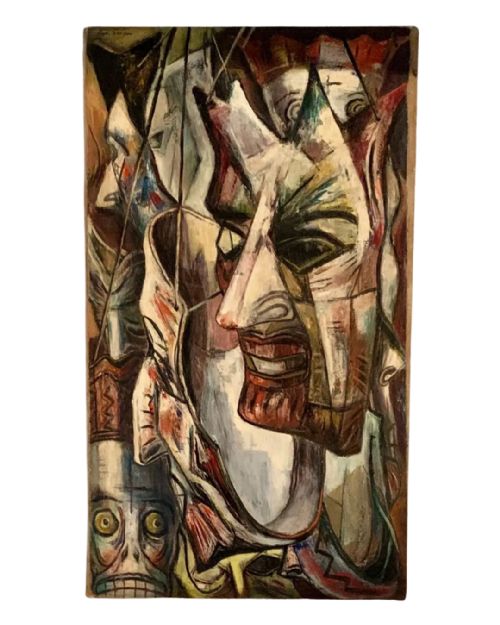


Art Deco Portrait Painting
An art deco portrait painting captures the distinct modernism and elegance of the interwar years through striking depictions of sitters.
Art Deco Portrait Painting
When you search for an art deco portrait painting, you encounter works that span the early decades of the twentieth century, often reflecting French and English artistic circles. The subjects range from intimate miniature studies of flappers and elegant ladies to larger canvas oils depicting models and dancers.
You frequently meet pieces from the nineteen twenties and thirties, characterised by specific regional aesthetics such as the School of Paris or traditional English portraiture. These works vary from delicate pastels on board and paper to bold oil paintings framed in decorative wood and gilt.
Materials and technique
Artists working within this sphere utilised traditional media such as oil paint, watercolour, and pastel applied to canvas, wood, paper, or copper. Works often incorporated protective glass and were housed within substantial wooden or gilt frames that complemented the visual weight of the portrait.
Miniature formats demanded precise hand-painted execution on specialised grounds, whilst larger compositions on canvas relied on layered oil applications to achieve depth and texture in depicting clothing and facial expressions.
Art Deco Portrait Painting Retail Price Guide 2026
Typical asking prices for art deco portrait painting among the pieces listed under this phrase on Sellingantiques today, from the lower quarter to the upper quarter. They describe what is for sale here now, not the wider market.
Listings feature works spanning from the nineteenth century through the nineteen fifties, utilising canvas, wood, glass, and brass.
Distinctions in execution
The distinction between standard works and exceptional pieces rests upon the confidence of the brushwork and the psychological depth captured in the sitter's expression. Masterful handling of light and proportion elevates a standard portrait into a compelling document of its period.
Condition and originality also dictate standing, particularly regarding the preservation of the paint surface and whether the piece retains its period frame. Works bearing clear signatures and documented artist provenance hold a different tier of interest compared to anonymous studies.
Raymond Moritz·Gaetan Dumas·Georges Goursat·Susie Lassam·Burr Singer·William Dring·Leo Klin·Alfred Egerton Cooper
The Art Deco Portrait Painting Glossary
- Portrait Miniature
- A small-scale painting, typically executed on a delicate ground, detailing a subject's likeness with fine brushstrokes.
- School of Paris
- A term describing the diverse community of artists who worked in Paris during the early twentieth century, influencing modern figurative styles.
- Flapper
- A cultural archetype of the nineteen twenties representing young women who wore short skirts, bobbed their hair, and listened to jazz.
- Pastel
- A medium consisting of powdered pigment and a binder, used to create dry, velvety works on paper or board.
- Gilt
- A thin layer of gold leaf applied to wood or other materials to decorate frames and decorative objects.
Art Deco Portrait Painting: Frequently Asked Questions
How should I frame these paintings?
Many pieces come in their original decorative wooden or gilt frames, which complement the period aesthetic and protect the work.
Preserving the original housing maintains the historical integrity of the piece, though glass is frequently used to protect pastels and watercolours.
Where were these artists working?
The creators of these portraits were active in major European cultural centres, particularly within the vibrant artistic communities of Paris and England.
Many associated with specific regional schools or exhibited in salons during the nineteen twenties and thirties.
How do I care for a pastel portrait?
Pastels and works on paper require protection behind glass to prevent the loose pigment from smudging or degrading over time.
Keep these pieces away from direct sunlight and high humidity to preserve the colours and the integrity of the board or paper support.