


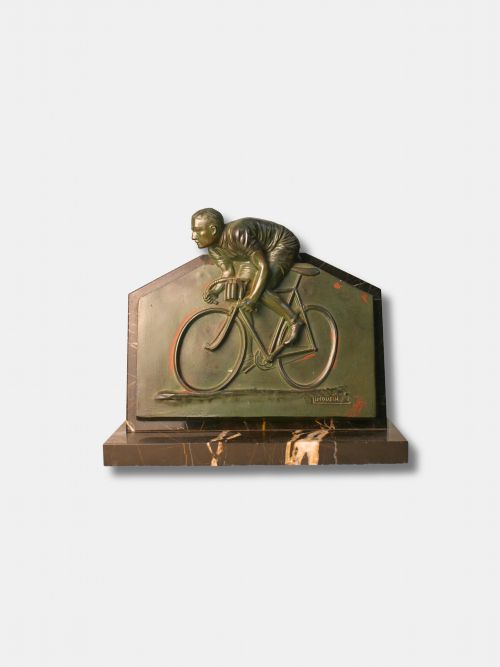


Art Deco Plaque
An art deco plaque delivers geometric precision and striking contrast, offering a tangible piece of twentieth-century design history for your collection.
Art Deco Plaque
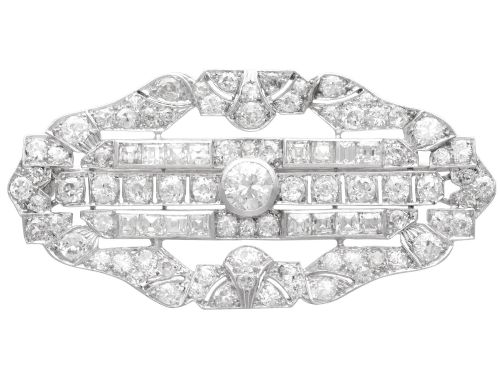
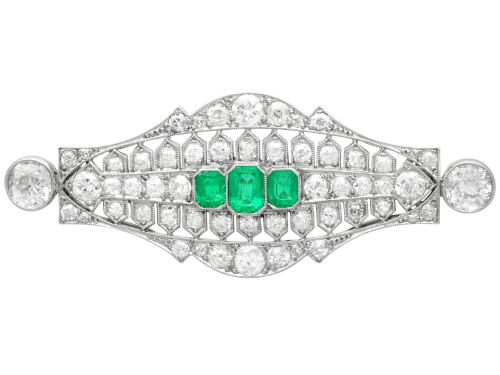
When you search for an art deco plaque, you encounter a distinct category of decorative items spanning brooches, rings, wall art, and sculptural panels. These objects embody the geometric rigour and stylised motifs characteristic of the period.
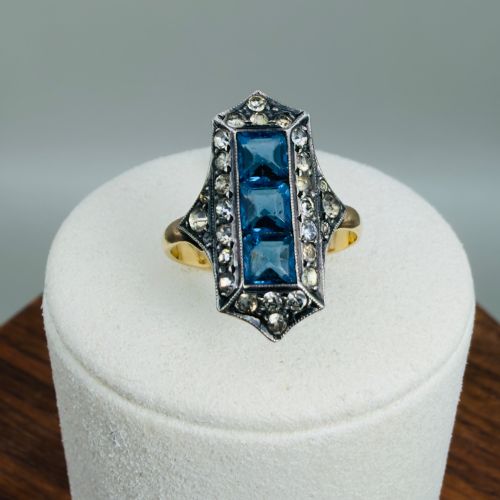
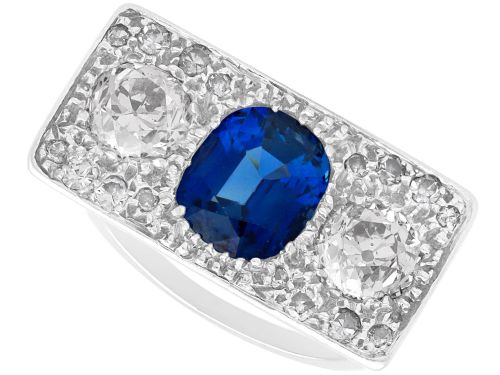
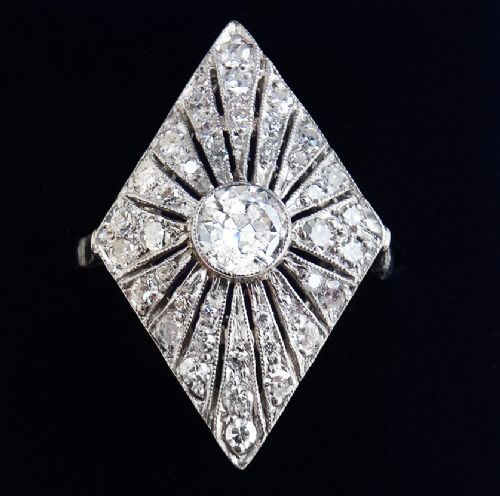
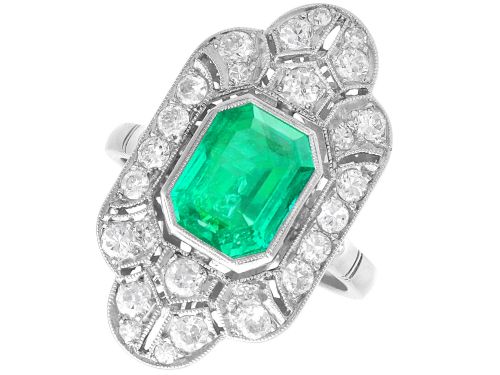
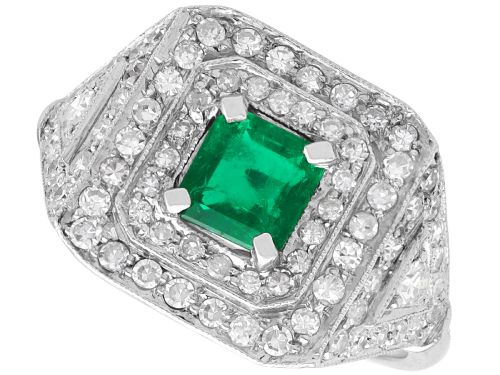
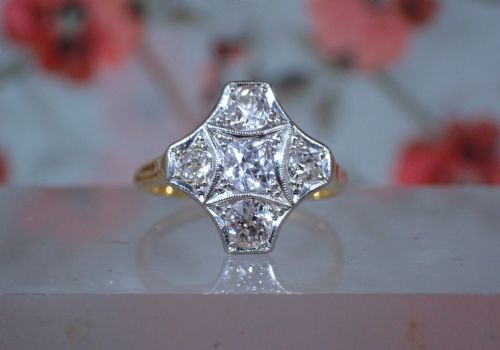
The pieces on this page originate predominantly from the 1920s and 1930s, alongside examples from Edwardian, mid-century, and later decades. Ring plaques in this selection frequently present elongated silhouettes set with diamonds and sapphires.
Beyond jewellery, the category encompasses bronze portrait plaques, ceramic wall masques, and framed tiles. Each format serves as a testament to the diverse application of modernist design principles across different mediums.
Materials and construction
Maker construction relies heavily on combinations of platinum and yellow, white, or 18ct gold to form robust structural mounts. Gemstones such as diamonds, emeralds, rubies, and sapphires are integrated alongside onyx, rock crystal, and white paste stones.
Sculptural and wall plaques utilise alternative foundational materials including bronze, spelter mounted on onyx plinths, and ceramic tiles. Marquetry panels and glazed earthenware demonstrate the wide range of artisan techniques employed during the era.
Art Deco Plaque Retail Price Guide 2026
Typical asking prices for art deco plaque among the pieces listed under this phrase on Sellingantiques today, from the lower quarter to the upper quarter. They describe what is for sale here now, not the wider market.
Determinants of quality
Quality reveals itself in the precision of stone setting and the crispness of geometric motifs. Superior examples maintain structural integrity without sign of distortion in the metalwork.
In sculptural and cast pieces, the clarity of the maker's signature or foundry mark contributes significantly to the standing of the work. The harmonious balance of contrasting materials, such as onyx paired with diamonds, dictates overall visual impact.
Eugene Canneel·Gio Ponti·Richard Ginori
The Art Deco Plaque Glossary
- Plaque
- A flat ornamental panel, often rectangular or geometric, designed to be worn as jewellery or mounted on a wall. In rings, it refers to a flat face set closely with gemstones.
- Spelter
- An alloy of zinc used widely as a cost-effective base for decorative figures and plaques, frequently patinated to resemble bronze.
- Marquetry
- The art of applying pieces of veneer to a structure to form decorative patterns, seen here in wood panels depicting subjects like fish.
- Paste
- Hand-cut glass used to imitate gemstones in period pieces, valued for its own decorative contribution rather than as a mere substitute.
Art Deco Plaque: Frequently Asked Questions
What defines an art deco plaque?
An art deco plaque is characterised by symmetrical lines, stylised motifs, and a strong emphasis on geometric shapes. These items can take the form of flat ring faces, brooches, or mounted wall panels.
Craftsmen utilised contrasting materials like platinum, gold, onyx, and diamonds to create visual depth within a flat plane. The result is a compact composition that reflects the modernist aesthetic of the interwar years.
How were wall plaques displayed?
Wall plaques and ceramic masques were designed to be hung directly in domestic interiors as focal decorative art. Materials like bronze and glazed ceramics allowed these pieces to endure without delicate mounting.
Some sculptural metal plaques were set onto stone bases, such as onyx plinths, for freestanding placement on furniture. This gave them stability while highlighting the contrast between the metal relief and the polished stone.
How do I care for precious metal plaques?
Care for metal and gemstone plaques involves gentle cleaning with a soft cloth to remove dust without abrasive action. Avoid harsh chemical dips, particularly when dealing with softer stones or mixed media like onyx and enamel.
Store items individually to prevent scratching between delicate platinum settings and adjacent pieces. Regular inspection by a specialist ensures that prong settings holding diamonds and sapphires remain secure.
Are these pieces signed by makers?
Certain bronze and ceramic plaques feature maker signatures, stamps, or foundry marks stamped directly into the material. These inscriptions help identify the origin and authorship of the work.
Jewellery plaques more commonly rely on hallmarks stamped into the gold or platinum band rather than individual signatures. Examining these small stamps reveals the metal purity and country of origin.