

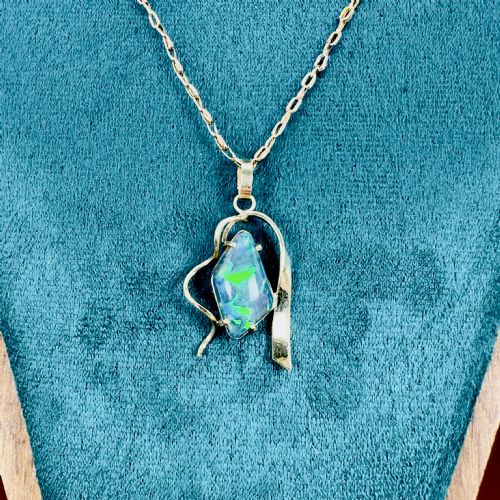


Art Deco Opal
Art deco opal pieces combine striking geometric lines with the mesmerising play of colour inherent in opals, offering a sophisticated addition to any collection.
Art Deco Opal
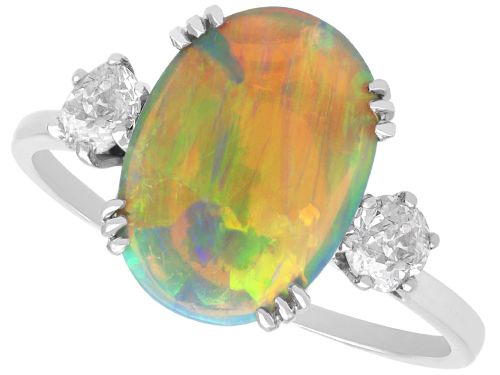
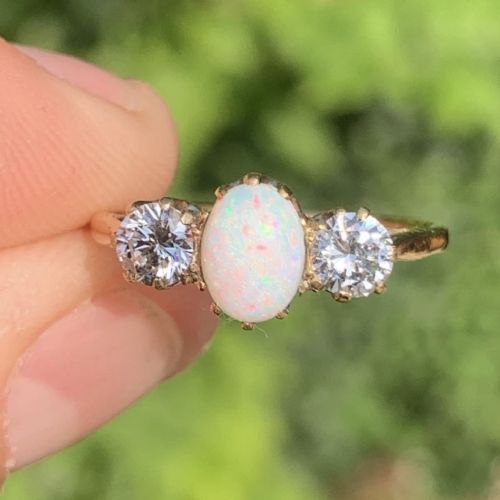
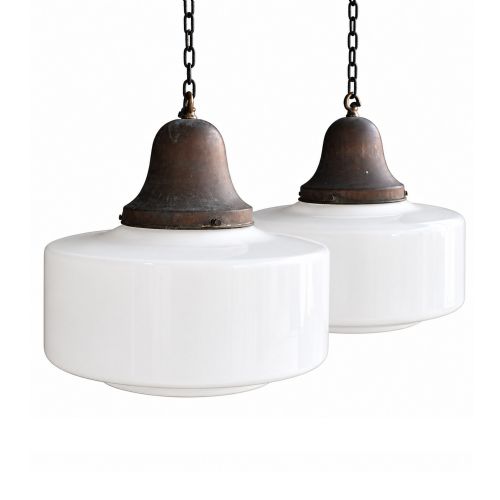
Art deco opal items span jewellery and lighting, bringing together the characteristic geometric precision of the 1920s and 1930s with the shifting iridescence of precious and art glass opals. Buyers searching for art deco opal will encounter a diverse selection ranging from platinum and white gold trilogy rings to chrome table lamps and opaline hanging pendant lights.
How art deco opal pieces were made
Jewellery pieces utilise precious metals such as platinum, yellow gold, and white gold as secure settings for opals, diamonds, and pearls. Stones are meticulously cut and mounted to maximise light interaction across the multifaceted diamond accents and the internal fire of the opal.
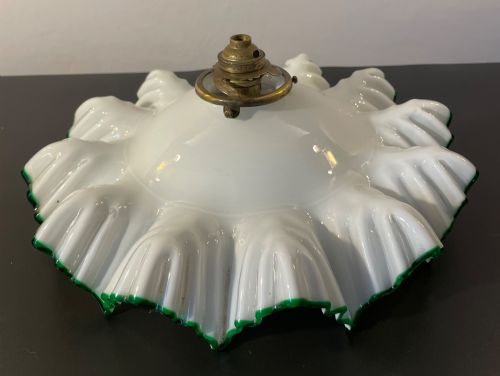
Lighting is constructed using industrial and decorative materials including chrome and brass paired with blown or moulded glass, opal glass, and opaline glass. These components are assembled into tubular lights, frilled shades, and multi-tiered lamps that reflect the mechanical and modernist design ethos of the era.
Art Deco Opal Retail Price Guide 2026
Typical asking prices for art deco opal among the pieces listed under this phrase on Sellingantiques today, from the lower quarter to the upper quarter. They describe what is for sale here now, not the wider market.
Listings span the years 1920 to 1940, incorporating materials such as opal, chrome, diamond, platinum, glass, and gold across diverse forms including table lamps, rings, and pendant necklaces.
What varies in quality in art deco opal
The calibre of jewellery depends upon the brilliance and play-of-colour within the opal, the carat weight and clarity of accompanying diamonds, and the integrity of the platinum or gold setting. Superior examples demonstrate expert gemstone matching and secure claw or bezel work that protects the softer opal stone.
In lighting fixtures, quality is apparent in the weight and finish of the chrome and metalwork, the depth and uniformity of the opaline or opal glass, and the preservation of original structural elements. Finer lamps exhibit clean lines and substantial construction without replacement components altering the period aesthetic.
The Art Deco Opal Glossary
- Opal doublet
- A composite gemstone made from a thin slice of natural opal glued to a darker backing material, such as ironstone or onyx, to enhance the apparent colour play and depth. This technique creates a durable stone with the visual impact of a solid precious opal.
- Opaline glass
- An opaque or translucent milky-white glass often tinted with pastel shades, popular for creating diffused lighting fixtures during the early twentieth century. It softens light sources evenly while providing a clean, architectural surface.
- Trilogy ring
- A ring featuring three main gemstones set in a row, traditionally symbolising the past, present, and future of a relationship. In the context of these listings, they frequently pair a central opal with flanking diamonds.
- Torchiere
- A tall floor lamp designed to direct light upwards toward the ceiling for ambient illumination. These fixtures often feature stylized metal stands and decorative glass shades typical of modernist design.
- Platinum
- A dense, ductile, and highly unreactive precious metal used extensively in fine twentieth-century jewellery for its strength and bright white lustre. It allows for delicate, secure settings that hold diamonds and opals firmly.
Art Deco Opal: Frequently Asked Questions
How do I care for my art deco opal jewellery?
Opals contain water and require gentle handling to prevent drying out or cracking. Avoid exposing them to harsh chemicals, ultrasonic cleaners, and extreme temperature changes.
Clean your jewellery simply with a soft, damp cloth and store pieces separately to prevent scratching from harder gemstones like diamonds.
Are art deco opal lamps suitable for daily use?
Many vintage lighting fixtures are wired for period use and may require updating to meet modern electrical safety standards. Consult a qualified electrician before installation in your home.
Once inspected and safely rewired, these lamps function effectively as ambient or task lighting while retaining their distinct period appearance.
What is the difference between opal and opaline glass?
Opal refers to the naturally occurring mineral gemstone prized for its optical phenomenon known as play-of-colour. Opaline is a type of decorative glass manufactured to mimic the milky, translucent appearance of the stone.
Both materials were utilised during the 1920s and 1930s to create striking visual contrasts in accessories and interior lighting.
How can I date my art deco opal piece?
Dating relies on stylistic markers such as geometric symmetry, the use of chrome and platinum, and specific motifs like zig-zags or modernist silhouettes. Hallmarks on gold and platinum jewellery can also provide specific assay office marks and manufacture dates.
Comparing construction techniques with documented pieces from the 1920s, 1930s, and 1940s helps narrow down the period of origin.