




Art Deco Mirror Frame
An art deco mirror frame brings geometric clarity and period structure to a wall, offering a distinct focal point for an interior.
Art Deco Mirror Frame
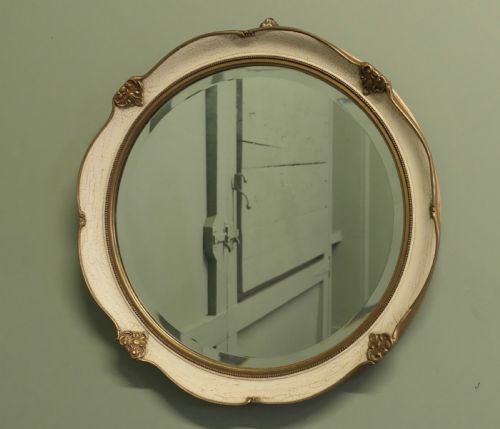
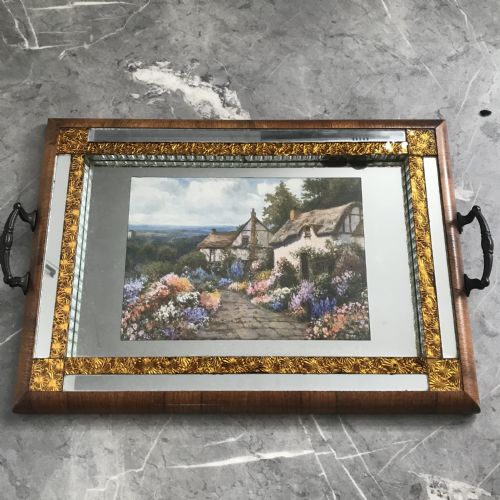
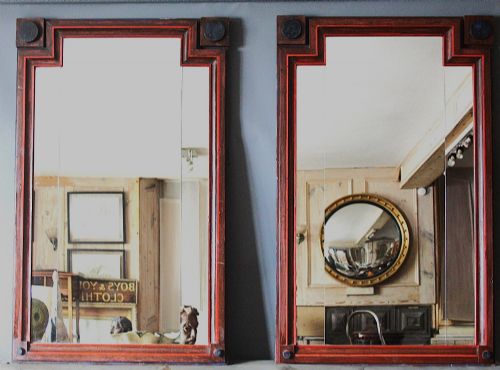
An art deco mirror frame bridges several decades, drawing most heavily from the 1920s and 1930s while pulling in earlier Victorian, Edwardian, and 19th Century influences. These pieces range from simple wall mirrors and triptych dressing table designs to fire screens, girandoles, and architectural surrounds.
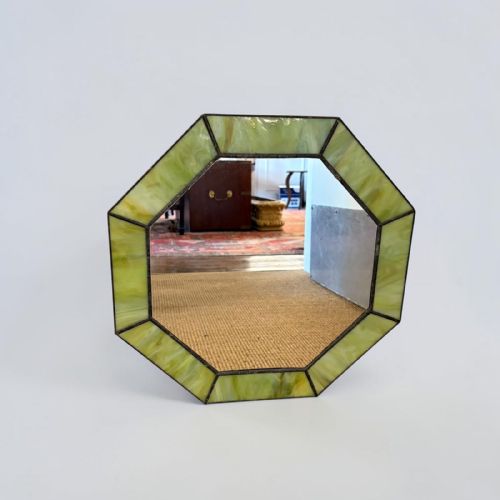
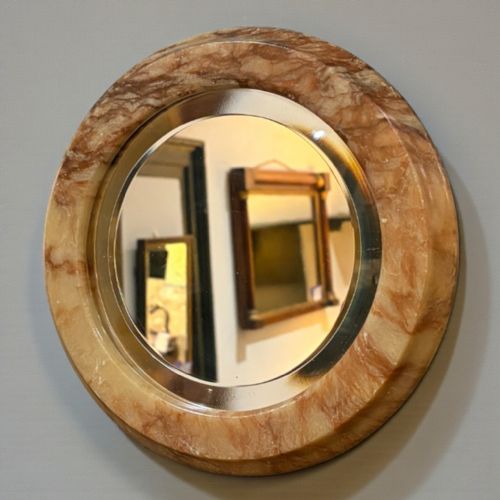
The materials span wood, metal, glass, and alabaster, appearing in both English and French origins. Buyers encounter octagonal, circular, and rectangular formats alongside distinct regional styles like the Odeon design or sunburst configurations.
The selection here includes unexpected variants such as vending machine mirrors, velvet-covered housings, and pieces incorporating figural elements like soldiers or marquetry panels. Each object uses its framing geometry to define the reflective surface within it.
Materials and construction methods
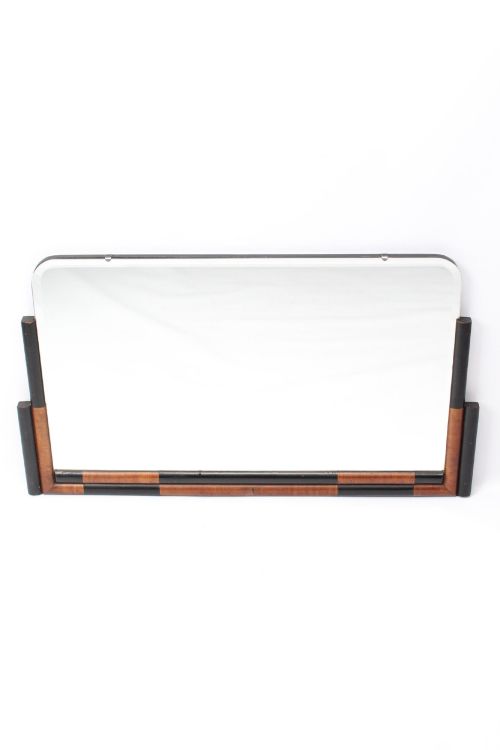
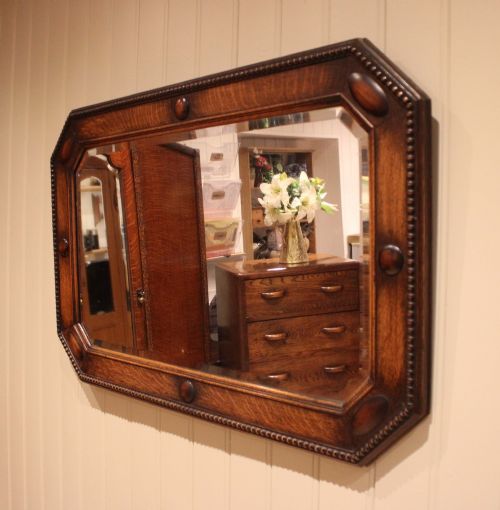
Makers utilised walnut, oak, and ebonised timber alongside walnut veneer, often pairing warm wood grains with contrasting metallic accents. Chrome, brass, copper, and gilt wood provided the rigid structural support and reflective flash characteristic of the period.
Specialised techniques include carved silvered wood, marquetry, and coloured glass panels set within metal or leather frames. Alabaster offered a solid, carved stone alternative for heavy wall mounts.
Mercury glass and standard mirror glass were cut to fit precise geometric silhouettes, secured by backing boards and specialised metal or wooden framing members.
Art Deco Mirror Frame Retail Price Guide 2026
Typical asking prices for art deco mirror frame among the pieces listed under this phrase on Sellingantiques today, from the lower quarter to the upper quarter. They describe what is for sale here now, not the wider market.
The listings here span the Victorian era through the 1950s, using wood, metal, glass, alabaster, and chrome.
Distinctions in execution
The standard of an art deco mirror frame depends on the precision of its joinery, the integration of mixed media like copper with blue glass, and the sophistication of surface treatments such as fine silver-gilt or expert walnut veneering. Pieces bearing documented maker attributions demonstrate elevated workshop capability.
Construction weight and the integrity of the original glass or mercury backing separate standard utility items from high-end decorative commissions. The subtlety of carved detail in wood or alabaster distinguishes mass production from superior studio craftsmanship.
A.J Rowley
The Art Deco Mirror Frame Glossary
- Triptych
- A three-panelled mirror assembly where the outer wings hinge to angle inward. This arrangement appeared frequently on dressing tables during the early twentieth century.
- Girandole
- A decorative wall mirror fitted with attached candle branches or light sconces. The frame is typically carved and silvered to amplify the illumination.
- Odeon
- A streamlined architectural style popular in the 1930s, characterised by stepped, cascading geometric forms reminiscent of large cinema facades.
- Marquetry
- The art of applying small pieces of veneer to a structure to form decorative patterns or pictorial scenes. It requires precise wood selection and cutting.
- Mercury glass
- A double-walled glass blown object with a silvering solution inserted between the layers, creating a reflective, mottled surface appearance.
Art Deco Mirror Frame: Frequently Asked Questions
What defines an art deco mirror frame?
An art deco mirror frame relies on geometric outlines, stepped forms, and a deliberate mix of contrasting materials like chrome, walnut, and coloured glass. The focus sits on symmetry, clean lines, and architectural influence.
These pieces break away from ornate Victorian floral carvings in favour of streamlined silhouettes that suit both period and modern interiors.
How do French designs differ from English ones?
French examples often incorporate bolder materials such as leather, bamboo, heavy gilt work, or cream finishes alongside standard wood constructions. They tend to lean into dramatic decorative statements.
English variants frequently utilise oak, walnut, or straightforward brass framing, focusing on geometric wall shapes and functional adaptability like folding or triptych formats.
Where were these mirrors used?
These frames served multiple domestic and commercial spaces, functioning as wall decor in halls, overmantels above fireplaces, or dressing table accessories in bedrooms. Some specialised forms acted as fire screens or vending machine housings.
Living with them involves placing them where their reflective surfaces and distinct framing materials catch natural or artificial room light effectively.
How do I identify the period?
Dating relies on material combinations, framing styles, and construction techniques, with 1920s and 1930s pieces showing characteristic chrome, sunburst motifs, and stepped wood veneers. Earlier 19th century or Victorian precursors display heavier carved wooden structures and simpler glass settings.
Examining the backing boards, screw types, and mirror silvering condition helps confirm the production era alongside stylistic markers.