

Art Deco Gold Jewelry
Art deco gold jewellery brings together the geometric discipline of the interwar years and the warmth of precious metals.
Art Deco Gold Jewelry
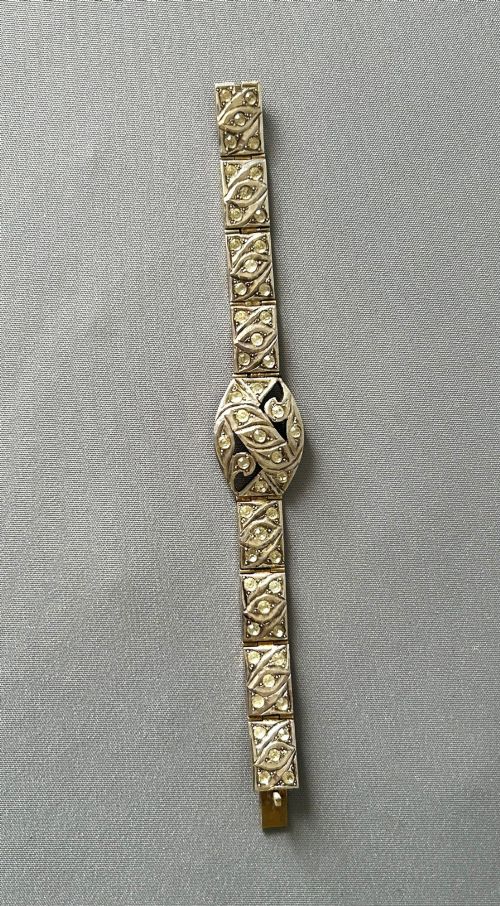
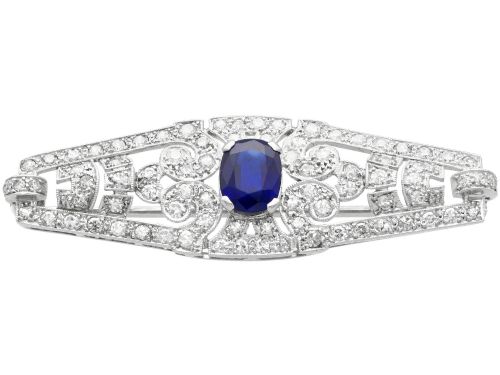
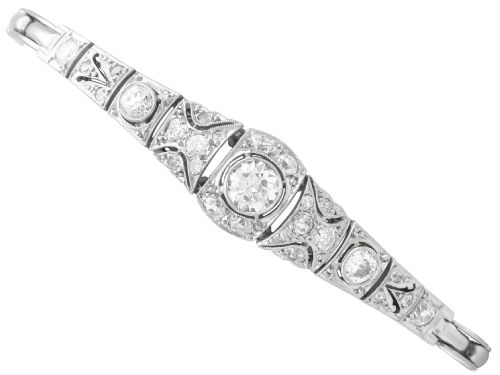
Art deco gold jewellery encompasses rings, brooches, pendants, and bracelets created predominantly during the 1920s, 1930s, and 1940s. These pieces reflect the distinctive design vocabularies of the period, ranging from strict geometrical layouts to softer floral interpretations.
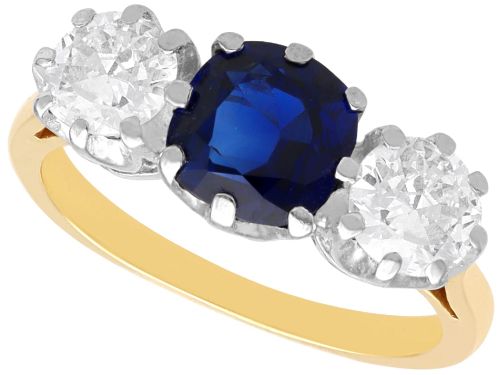
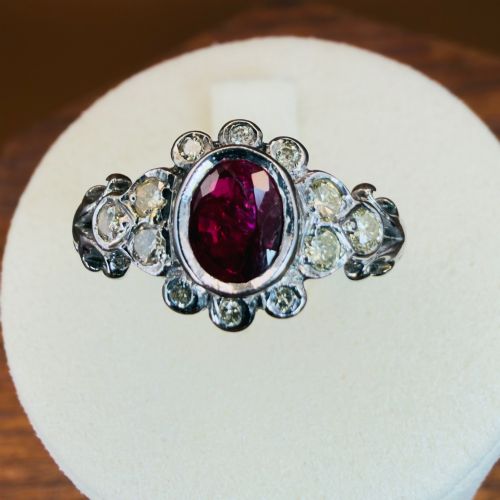
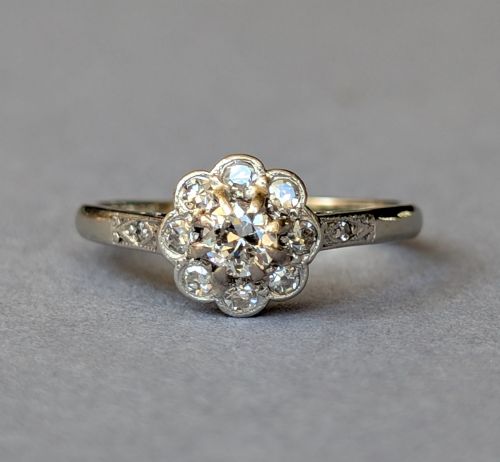
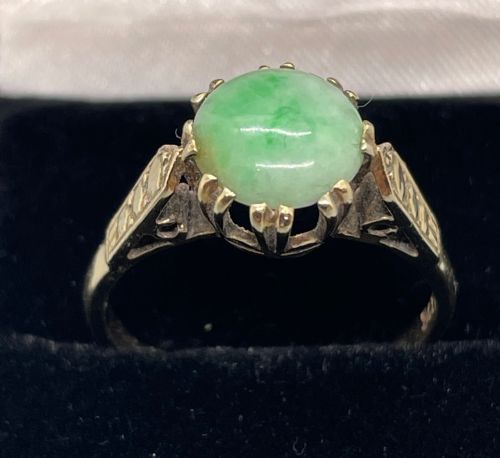
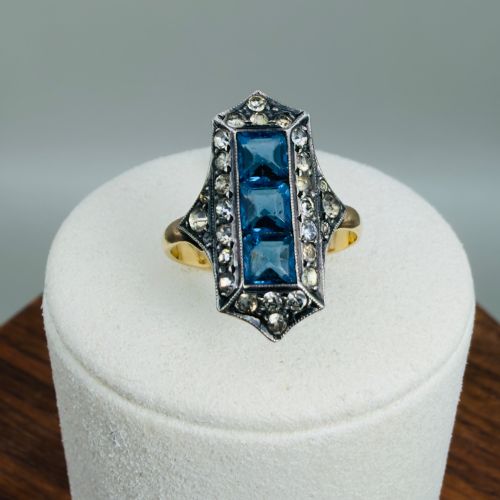
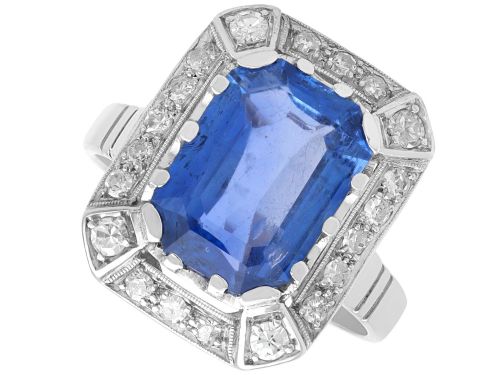
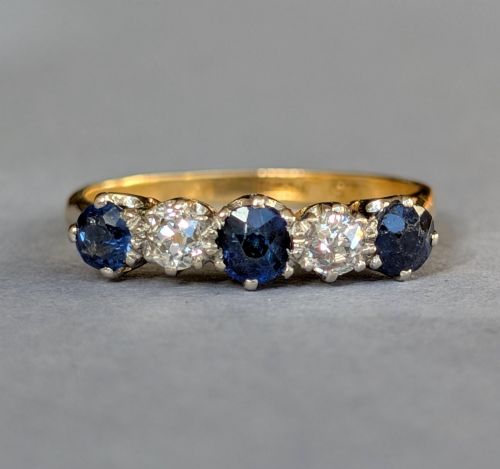
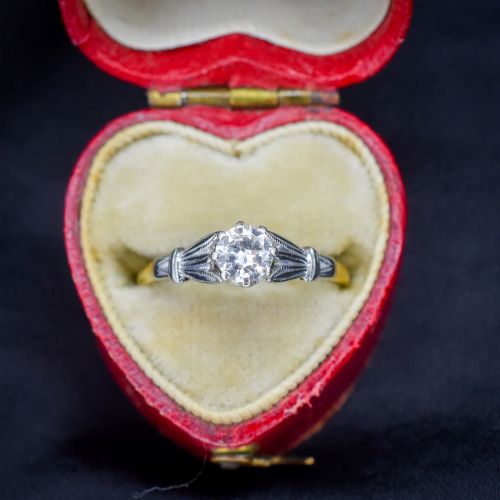
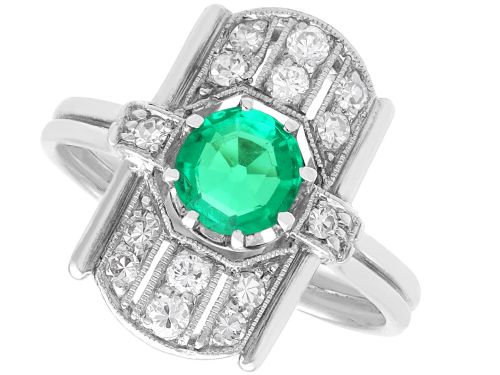
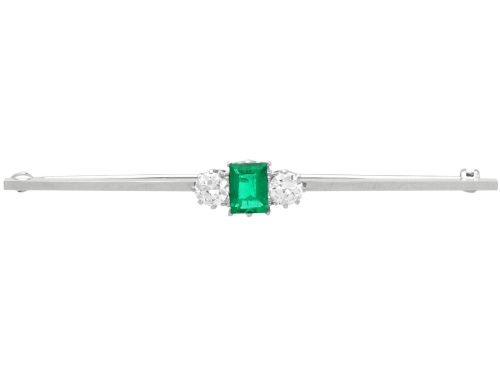
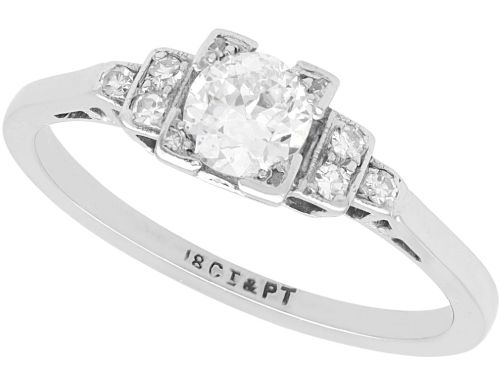
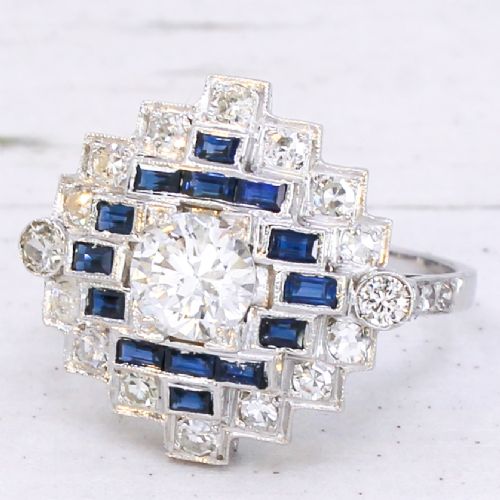
The items most commonly encountered on this page include diamond cluster rings, sapphire and diamond trilogy configurations, and delicate drop earrings. Pieces often combine contrasting materials, uniting bright diamonds with coloured gems such as emeralds, rubies, and zircons.
Originating across various European and domestic workshops, surviving examples demonstrate the enduring appeal of the geometric style. Buyers seek these items for their distinct historical character and the precision of their construction.
Materials and construction methods
Makers of art deco gold jewellery utilised a palette of precious metals, pairing yellow and rose gold with platinum and 18ct white gold to create visual contrast. Platinum provided a secure, durable setting for diamonds, while yellow gold added warmth to coloured gemstone clusters.
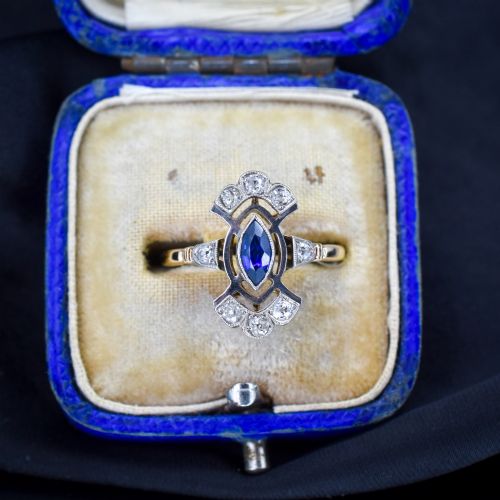
Gemstones were cut into specific geometric shapes, including navette, emerald, and old cut stones, to fit flush within structured mountings. Metalwork often featured fine millegrain borders and pierced gallery work, showcasing meticulous bench skills.
Art Deco Gold Jewelry Retail Price Guide 2026
Typical asking prices for art deco gold jewelry among the pieces listed under this phrase on Sellingantiques today, from the lower quarter to the upper quarter. They describe what is for sale here now, not the wider market.
Materials documented across the current selection include platinum, white gold, yellow gold, and rose gold paired with diamonds, sapphires, and zircons.
Assessing quality in period pieces
Quality in art deco gold jewellery reveals itself through the precision of the stone setting and the integrity of the metalwork. Superior examples exhibit tightly secured gems with even spacing, minimal claw wear, and crisp geometric lines that retain their original definition.
The choice of materials also influences the piece, with high-clarity diamonds and vividly saturated sapphires or rubies elevating the overall standard. Original patination and unaltered mounts further distinguish finer specimens from heavily restored or reworked items.
Cartier
The Art Deco Gold Jewelry Glossary
- Navette
- A boat-shaped gemstone or ring setting that tapers to points at both ends. This elongated silhouette is frequently observed in cluster rings from the period.
- Millegrain
- A decorative technique involving tiny raised metal beads along the edges of a setting. It softens the metal profile and frames the central stones.
- Trilogy ring
- A ring featuring three main stones set side by side, often symbolizing past, present, and future. In art deco examples, these stones are typically diamonds or sapphires.
- Old cut
- A diamond cutting style predating modern brilliant cuts, characterised by a smaller table, higher crown, and open culet. These stones display a distinctive soft glow under candlelight.
Art Deco Gold Jewelry: Frequently Asked Questions
How do I wear delicate art deco rings?
Art deco gold jewellery designed for the hand, such as cluster or solitaire rings, benefits from careful daily wear. Pairing them with plain bands or wearing them alone prevents potential claw damage from friction against adjacent rings.
Removing these rings during heavy manual tasks ensures the preservation of fine millegrain edges and delicate gemstone settings. Regular cleaning with a soft brush maintains the brilliance of the stones.
Are these pieces suitable for daily use?
Many items from the 1920s and 1930s were constructed to withstand regular wear, utilising durable metals like platinum and 18ct gold. However, pieces containing softer gems such as pearls or opals require greater caution.
Assessing the security of the settings with a loupe helps determine whether a piece can endure everyday routines. Proper storage in padded boxes prevents accidental impact.
How can I identify an authentic art deco piece?
Authentication relies on observing period-specific characteristics, including geometric motifs, hand-cut stones, and specific gold and platinum alloys. Makers' marks and hallmarks stamped inside the band or clasp provide further historical context.
Stylistic cues, such as symmetrical arrangements and contrasting metal colours, separate authentic items from later reproductions.