





Art Deco Gold Box
An art deco gold box offers the geometric precision and luxury of the interwar years, ideal for holding small treasures on a dressing table.
Art Deco Gold Box
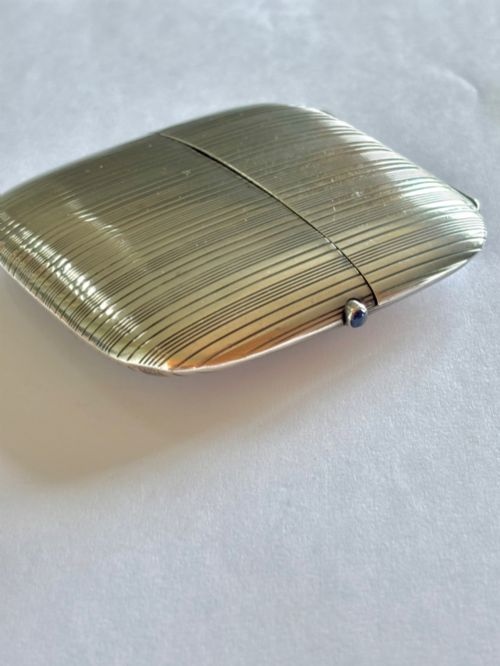
When you search for an art deco gold box, you are looking at functional vanity items and containers produced primarily during the 1920s, 1930s, and 1940s. These pieces include cigarette cases, powder boxes, and vanity cases that reflect the modernist design sensibilities of the period. Most examples appearing here date from around 1930 and combine precious metals with decorative finishes.
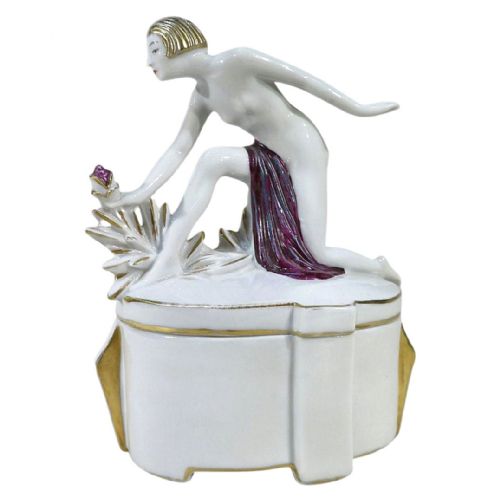
The assortment on this page extends beyond simple receptacles to encompass related items such as silver gilt cigarette card cases, porcelain powder jars from Germany, and travel clock stands. While some pieces utilise solid yellow or rose gold, others employ gilt metal, silver gilt, or sterling silver embellished with enamel. You will also encounter signed French vanity items alongside utilitarian pieces designed for the fashionable flapper of the era.
How they were made
The construction of these items relies heavily on precious metals like 14ct gold, rose gold, and silver gilt, frequently paired with gemstone accents such as diamonds, garnets, and blue cabochons. Goldsmiths and silversmiths shaped these materials into rigid, geometric forms typical of the Art Deco style, ensuring structural integrity for daily use.
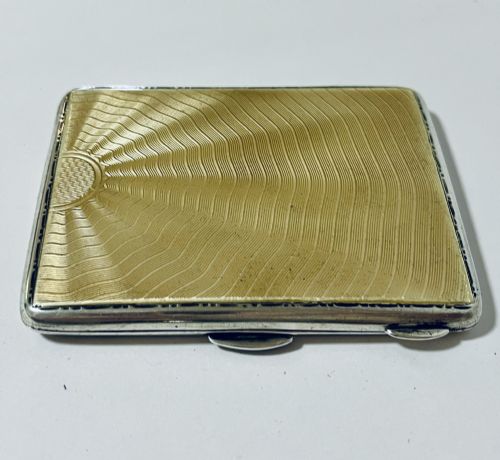
Surface decoration defined much of the manufacturing process, notably through the application of guilloche enamel to create patterned, translucent backgrounds beneath coloured glazes. Workshops also integrated porcelain elements and set small diamonds or coloured stones into the metal closures and frames to enhance the visual appeal.
Art Deco Gold Box Retail Price Guide 2026
Typical asking prices for art deco gold box among the pieces listed under this phrase on Sellingantiques today, from the lower quarter to the upper quarter. They describe what is for sale here now, not the wider market.
Listings feature items spanning the 1920s, 1930s, 1940s, and mid-twentieth century, constructed from gold, silver, enamel, porcelain, and diamonds.
What varies in quality
Quality in these containers is determined by the choice of materials and the complexity of the craftsmanship, moving from simple gilt metal frames up to solid 14ct gold bodies set with genuine diamonds and precious stones. Pieces signed by renowned makers or luxury houses command greater attention due to superior finishing and heavier metal weight.
The condition and execution of decorative surface work, such as hand-applied guilloche enamel and precise gemstone setting, set finer examples apart from standard mass-produced items. Intricate hinges, secure closures, and the preservation of original interior linings also distinguish higher tier pieces.
Van Cleef & Arpels·Goldsmith's and Silversmith's Co.·Richard Hudnut
The Art Deco Gold Box Glossary
- Guilloche enamel
- A decorative technique where a precise mechanical pattern is engraved into metal and covered with translucent enamel. This method creates a shimmering background effect frequently seen on period compacts and vanity jars.
- Silver gilt
- Sterling silver that has been coated with a thin layer of gold. This process provides the rich appearance of solid gold while utilising a strong silver base.
- Cabochon
- A gemstone shaped and polished with a smooth, rounded surface rather than faceted edges. These stones are often set into clasps or corners of cigarette and vanity cases.
- Vanity case
- A portable container traditionally used by women to carry cosmetics, powder, and mirrors. These accessories were often fashioned from precious metals during the 1920s and 1930s.
- Cigarette card case
- A flat metal case specifically manufactured to hold collectible tobacco cards or cigarettes. Many feature spring-loaded bars and decorative enamel exteriors.
Art Deco Gold Box: Frequently Asked Questions
What is an art deco gold box used for?
These boxes were originally designed for personal grooming and social habits, serving as compacts for face powder, cases for cigarettes, or secure holders for small trinkets.
Today, collectors utilise them as decorative desk accessories or display pieces that highlight the geometric elegance of twentieth-century design.
How can I tell a 1930s piece from a later reproduction?
Examine the construction methods, hallmarks, and material combinations, as authentic interwar items typically feature period-specific clasps and traditional metalworking techniques.
Items from the 1930s frequently employ genuine guilloche enamel and specific metal purities like 14ct gold or silver gilt rather than modern base metal alloys.
Are all art deco boxes made of solid gold?
No, solid gold is relatively uncommon compared to the number of pieces made from gilt metal, silver gilt, or standard silver with decorative finishes.
Many high-end items combine precious metals like rose gold and silver, often enhanced with enamel, porcelain, or inset gemstones rather than being cast entirely in solid gold.
How do I care for an enamel vanity case?
Enamel surfaces require gentle handling to prevent chipping or scratching against hard objects, so you should store them separately from other metal jewellery.
Clean the exterior only with a soft, dry cloth and avoid exposing vintage clasps or interior mirrors to excessive moisture or harsh chemical cleaners.