
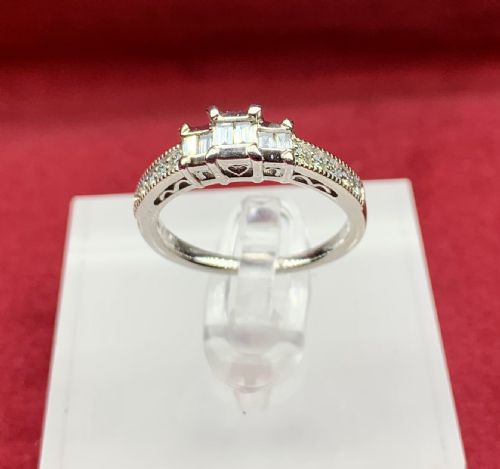
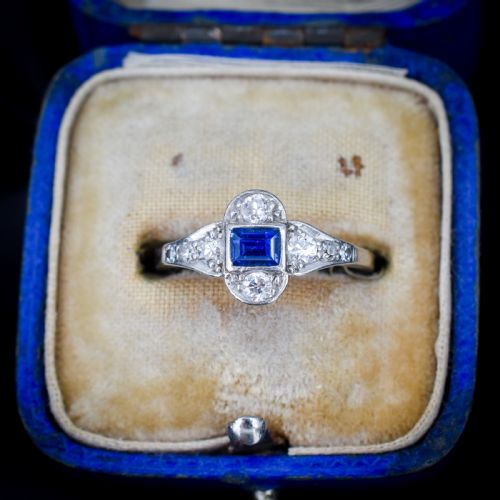
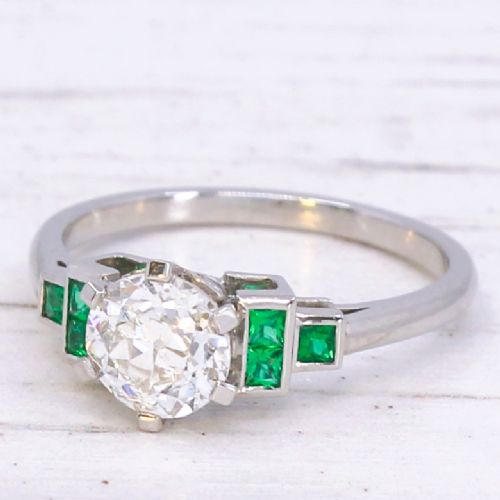


Art Deco Emerald Ring
When examining an art deco emerald ring, buyers encounter geometric settings and vibrant green stones that defined interwar jewellery design.
Art Deco Emerald Ring
An art deco emerald ring presents the geometric lines, stylised motifs, and architectural symmetry characteristic of the interwar period. These pieces frequently pair vivid green emerald centre stones with contrasting diamond accents arranged in bold cluster, trilogy, or panel formations.
Most examples originate from the 1920s and 1930s, constructed during the height of the Art Deco movement. Buyers will also find later interpretations from mid-century periods that borrow the iconic geometric language of the original decades.
Settings range from delicate solitaire mountings in yellow gold to elaborate platinum cocktail rings encrusted with pavé diamonds. The most commonly encountered formats on this page combine central emeralds with white metal frames that enhance the stone's colour.
How They Were Made
Master jewellers of the period utilised platinum and 18ct white or yellow gold to construct durable yet intricate settings that could securely house faceted gemstones. Platinum provided the tensile strength required for ultra-fine millegrain edges and knife-edge bands without adding excessive weight.
Stones were cut to maximise brilliance and geometric harmony, featuring traditional emerald cuts alongside old-cut diamonds and accent baguettes. Metalworkers utilised hand-piercing and channel-setting techniques to lock stones tightly into linear patterns.
Art Deco Emerald Ring Retail Price Guide 2026
Typical asking prices for art deco emerald ring among the pieces listed under this phrase on Sellingantiques today, from the lower quarter to the upper quarter. They describe what is for sale here now, not the wider market.
Listings feature pieces spanning the 1920s to the 1960s, constructed in platinum, white gold, and yellow gold.
What Varies in Quality
The distinction between tiers rests upon the origin, clarity, and treatment history of the central emerald, alongside the overall precision of the metalwork. Stones possessing certified geographic origins or minimal clarity enhancements command greater attention from collectors.
Superior examples demonstrate meticulous hand-craftsmanship in the pierced gallery work and secure, even bead-setting of surrounding diamonds. Lesser variations exhibit standard commercial casting and stones with heavier inclusions that disrupt light transmission.
The Art Deco Emerald Ring Glossary
- Cluster ring
- A setting style featuring a central gemstone encircled by a halo of smaller stones, typically diamonds. This arrangement maximises visual impact and perceived scale.
- Old cut
- A vintage diamond cutting style characterised by a high crown, small table, and deep pavilion, designed to catch candlelight. These stones display softer, broader scintillation than modern brilliant cuts.
- Millegrain
- A decorative technique involving tiny, raised metal beads along the edges of a setting. It provides a delicate, textured border typical of antique and period jewellery.
- Trilogy ring
- A ring featuring three primary stones set in a row, often interpreted to represent the past, present, and future. Emerald and diamond combinations are frequently arranged in this format.
- Tank ring
- A bold, chunky ring style developed during the 1940s, taking inspiration from military machinery and industrial design. These pieces utilise broad bands of gold and platinum.
Art Deco Emerald Ring: Frequently Asked Questions
How do I care for my ring?
Emeralds are softer than diamonds and require gentle cleaning with warm soapy water rather than ultrasonic devices. Store the ring separately to prevent scratching from harder gemstones.
Regular inspections by a professional jeweller ensure that the delicate claw or bezel settings remain secure around the centre stone.
Are these rings suitable for daily wear?
While platinum and gold provide a sturdy foundation, emeralds possess natural inclusions that make them sensitive to sharp impacts. Careful wear ensures the longevity of antique mountings and fragile stone corners.
Owners typically remove such rings during manual labour, sports, or heavy household tasks to protect the setting.
How can I identify original period pieces?
Authentication relies on examining the construction techniques, such as hand-pierced undergalleries and integrated millegrain work absent in modern reproductions. Hallmarks and metal purity stamps also offer clues regarding the manufacturing era.
Consulting independent gemological reports helps confirm whether the emerald's characteristics align with interwar mining sources.
What does minor oil mean for emeralds?
Natural emeralds commonly undergo traditional oil or resin treatments to fill surface-reaching fractures and improve clarity. Minor oil indicates a low level of treatment, which is preferred by collectors.
Untreated stones or those with minimal enhancement retain higher desirability due to their natural state.