


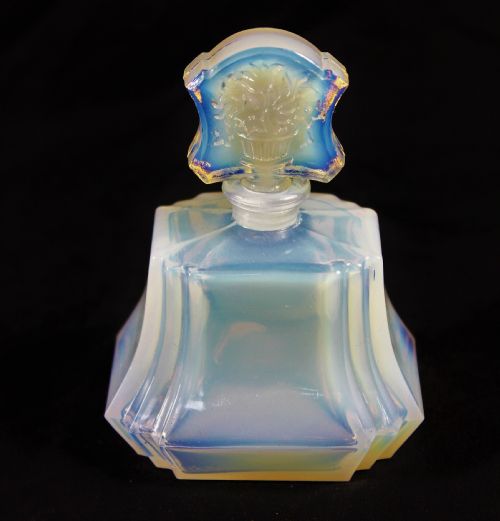


Art Deco Dressing Table Accessories
Art deco dressing table accessories bring geometric brilliance and fine craftsmanship to a vanity, uniting glass, silver, and enamel for daily elegance.
Art Deco Dressing Table Accessories
Art deco dressing table accessories encompass an array of vanity items designed to grace the dressing rooms of the early twentieth century. When exploring art deco dressing table accessories, collectors encounter functional pieces intended for grooming, such as perfume bottles, hand mirrors, and powder boxes.
The objects represented here lean heavily toward the nineteen-twenties and nineteen-thirties, reflecting the geometric and sleek design philosophies of the period. Perfume bottles and atomizers dominate the selection, often rendered in substantial cut glass or crystal.
In addition to glass vessels, the category includes ceramic trinket boxes, shaving sets, and porcelain figures associated with vanity use. These items capture the aesthetic preoccupations of the interwar years, combining utility with decorative display.
Materials and Techniques
Makers utilised a combination of glass, sterling silver, and enamel to achieve the characteristic sheen of these vanity pieces. Cut glass and heavy crystal form the bodies of many scent bottles and atomizers, frequently paired with chrome or silver mounts.
Enamel work, particularly guilloche, provides vibrant colour accents on silver brushes, mirrors, and perfume bottle lids. Ceramics and porcelain also feature in sculpted forms, such as powder puff dolls and bathing belle trinket boxes.
Art Deco Dressing Table Accessories Retail Price Guide 2026
Typical asking prices for art deco dressing table accessories among the pieces listed under this phrase on Sellingantiques today, from the lower quarter to the upper quarter. They describe what is for sale here now, not the wider market.
Bathing belles and flapper dolls guard face powder with silent, painted smiles.
Evaluating Quality in Vanity Wares
Quality in these objects rests upon the precision of the glass cutting and the complexity of the metalwork. Pieces bearing distinct maker signatures or attributions to prominent glasshouses and silversmiths demonstrate superior execution.
The preservation of delicate elements, such as intact guilloche enamel patterns and original atomiser hardware, elevates an example. Weight, heft in the glass, and the crispness of moulded ceramic details further distinguish finer specimens from standard production.
Karl Palda·Henry Perkins·Hasset & Harper·Asprey & Co.·René Lalique·Fasold & Stuach·Sabino
The Art Deco Dressing Table Accessories Glossary
- Guilloche
- An intricate mechanical engraving technique that produces precise, repetitive geometric patterns beneath a translucent layer of enamel.
- Atomizer
- A spray bottle mechanism fitted to perfume vessels to disperse liquid fragrance in a fine mist.
- Sterling silver
- An alloy of silver containing ninety-two point five percent pure silver and seven point five percent other metals, commonly used for mounts and brushes.
- Opalescent glass
- Glass containing ingredients that cause it to appear milky with translucent blue or amber highlights when lit.
- Powder puff doll
- A decorative vanity figure, often porcelain, featuring a skirt designed to conceal a powder puff.
Art Deco Dressing Table Accessories: Frequently Asked Questions
What are art deco dressing table accessories?
Art deco dressing table accessories are functional vanity items manufactured primarily during the nineteen-twenties and nineteen-thirties. They include perfume bottles, atomizers, powder jars, hand mirrors, and shaving sets designed in the geometric art deco style.
These pieces were produced to sit upon bedroom dressing tables, combining personal grooming utilities with decorative aesthetic appeal. Materials commonly utilised include cut glass, sterling silver, enamel, and porcelain.
How do I display art deco scent bottles?
Displaying art deco scent bottles involves placing them on mirrored trays or dedicated glass shelving where light can pass through the crystal and coloured glass. Grouping matching sets or contrasting shapes creates a focal point reminiscent of period vanity arrangements.
Ensure the display area remains out of direct, harsh sunlight to protect any delicate enamel work or fabric components from fading over time. Handle the pieces carefully by their glass bodies rather than fragile metal mounts.
How do I identify nineteen-thirties glass?
Identifying nineteen-thirties glass requires examining the weight, cut, and colour characteristics typical of the interwar period. Pieces from this era often feature bold geometric facets, heavy crystal construction, or opalescent finishes.
Many high-quality examples carry maker marks, etched signatures, or silver hallmarks that verify the period of production. Comparing the moulding seams and clarity of the glass against known studio standards helps confirm the decade.
What is guilloche enamel?
Guilloche enamel is a decorative technique where a metal surface is mechanically engraved with precise geometric patterns before being coated with translucent enamel. This allows the underlying engraved pattern to shimmer through the coloured glass-like coating.
This method was frequently applied to the silver backs of hand mirrors, clothes brushes, and perfume bottle caps during the art deco era. The resulting surface catches the light differently depending on the viewing angle.