


Art Deco Dressing Box
An art deco dressing box holds the small essentials of daily grooming, combining functional storage with the geometric elegance of the period.
Art Deco Dressing Box
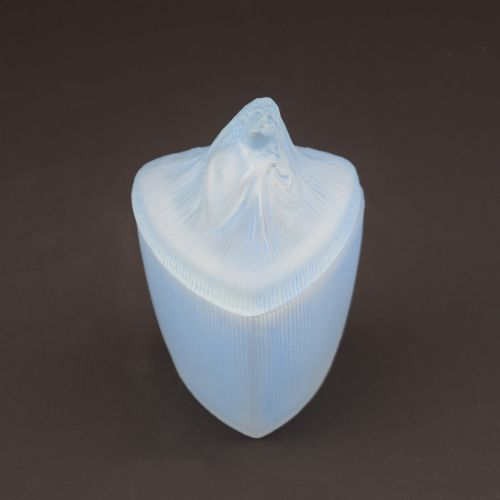
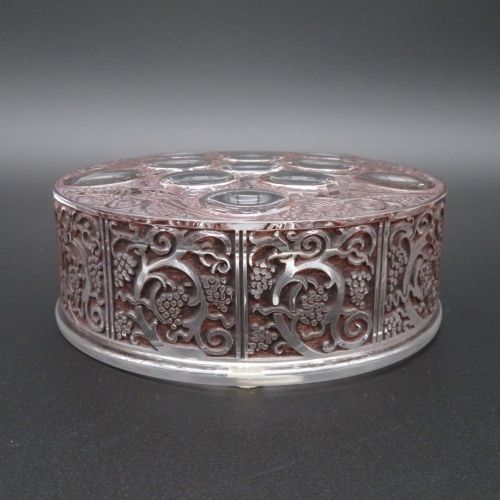
An art deco dressing box encompasses containers designed for the dressing table, including vanity jars, trinket boxes, powder bowls, and travel cases. These objects span the early decades of the twentieth century, with the majority originating from the nineteen-thirties and nineteen-twenties.
Originating largely from British silversmiths alongside French, German, and Austrian makers, these boxes served both practical storage purposes and decorative roles on dressing tables. Buyers encounter everything from compact pill boxes to elaborate multi-piece vanity sets.
How They Were Made
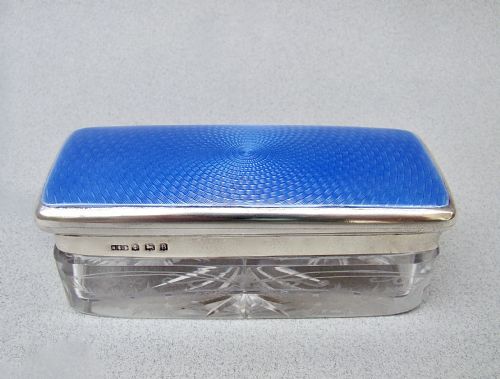
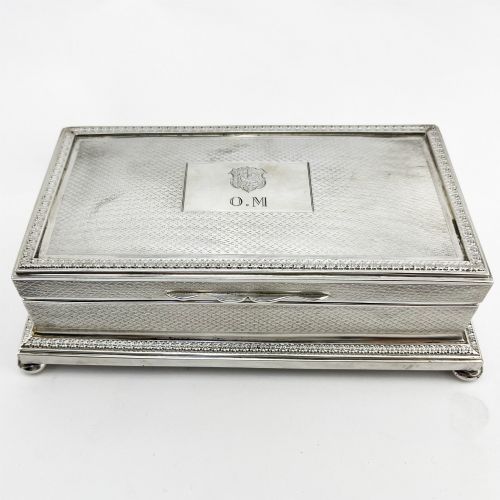
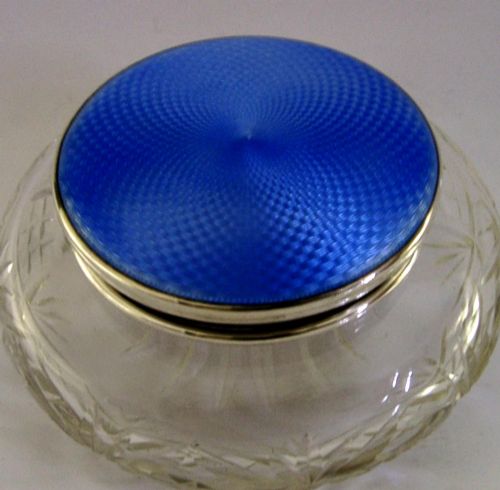
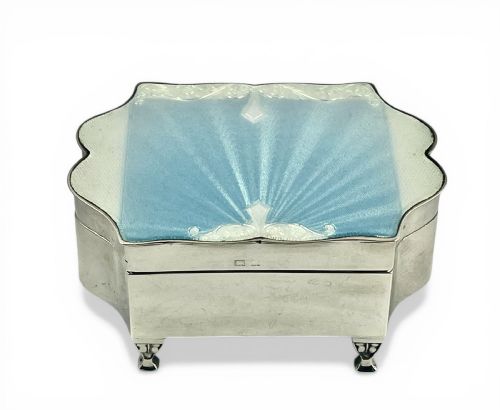
Craftsmen utilised sterling silver for frames and lids, often applying engine-turned guilloché enamel in shades of blue, pink, and white. Glass bodies were frequently heavy-cut or moulded, providing a textured contrast to smooth metallic mounts.
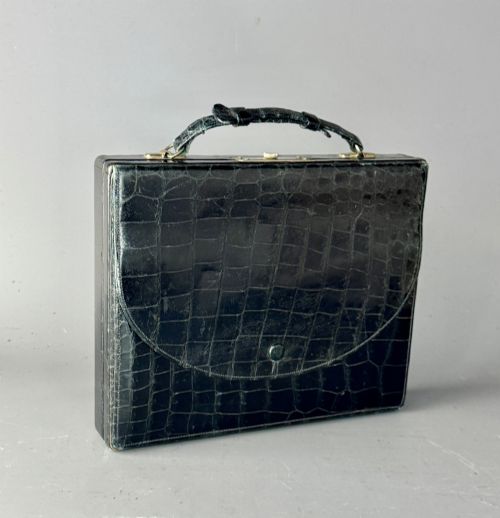
Ceramic pieces relied on slip-casting and hand-painting, particularly for figural powder boxes featuring half-dolls or pierrot motifs. Travel cases incorporated durable crocodile leather and fitted interiors designed to secure grooming accessories safely.
Listings feature sterling silver, porcelain, glass, enamel, and crocodile leather across items from the Victorian period to nineteen-thirty.
What Varies in Quality
The distinction between tiers rests upon the precision of the metalwork and the condition of fragile decorative elements such as enamel and moulded glass. Intricate engine-turning on silver lids and flawless translucent enamel finishes indicate higher production standards.
Makers known for exceptional crystal work, such as Rene Lalique, command attention through depth of moulding and crisp detailing on figural lids. Leather cases show variation in the quality of the hide, the stitching integrity, and the completeness of internal fittings.
Henry Clifford Davis·Mappin and Webb·Rene Lalique·William Griffiths
The Art Deco Dressing Box Glossary
- Guilloché enamel
- A decorative technique where a geometric pattern is mechanically engraved onto metal beneath a translucent layer of enamel colour.
- Vanity jar
- A container with a fitted lid, typically constructed from cut glass or crystal with a silver or tortoiseshell top, used for creams and powders.
- Half-doll
- A ceramic upper torso figure used as the decorative lid for powder boxes and brush stands during the early twentieth century.
- Trinket box
- A small lidded receptacle designed to hold rings, pins, and personal jewellery on a dressing table.
Art Deco Dressing Box: Frequently Asked Questions
What is an art deco dressing box used for?
These boxes served to hold powders, creams, hairpins, and small pieces of jewellery on domestic dressing tables. Travel variants were also equipped to carry grooming tools securely on journeys.
Today, collectors utilise them for similar practical storage or as decorative items that showcase period craftsmanship.
How do I identify a nineteen-thirties piece?
Look for hallmarks on silver mounts that date to the nineteen-thirties, combined with distinct geometric styling and symmetrical motifs. The presence of ceramic flapper figures and bold enamel colours also points firmly to this decade.
Earlier pieces from the nineteen-teens often lean closer towards Edwardian or transitional Art Nouveau aesthetics.
Are crystal vanity jars fragile?
Cut crystal and glass jars possess heavy walls designed for daily use, but the applied silver lids and enamel details require careful handling. The primary vulnerability lies in potential chips to glass rims or scratches to translucent enamel surfaces.
Gentle cleaning with soft cloths helps preserve both the glass clarity and the metallic mounts.
What materials are common in these boxes?
Sterling silver and cut glass form the foundation of many tabletop jars, frequently complemented by coloured enamel. Leather and crocodile skin appear commonly on travel vanity cases and larger storage boxes.
Ceramics and crystal are also prevalent, especially among powder bowls and figural vanity accessories.