



Art Deco Decorative Mirror
These art deco decorative mirror pieces bring distinct geometric lines and period glamour to a room.
Art Deco Decorative Mirror
An art deco decorative mirror acts as a striking focal point in any interior scheme. The selection on this page centres primarily on pieces from the 1920s and 1930s, alongside a few examples from the 1950s and the 19th century.
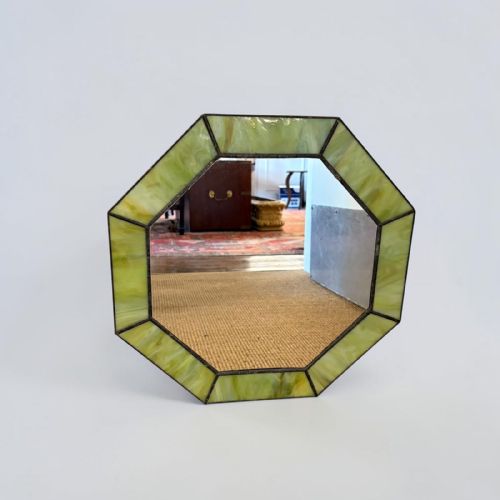
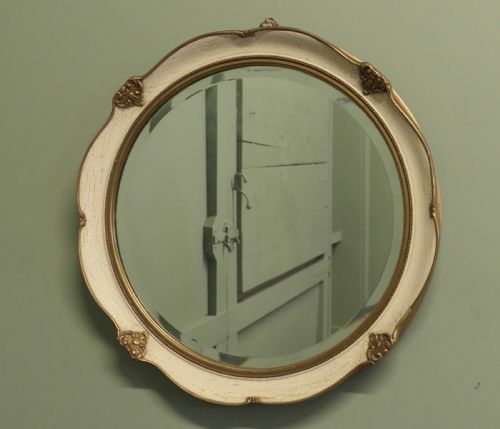
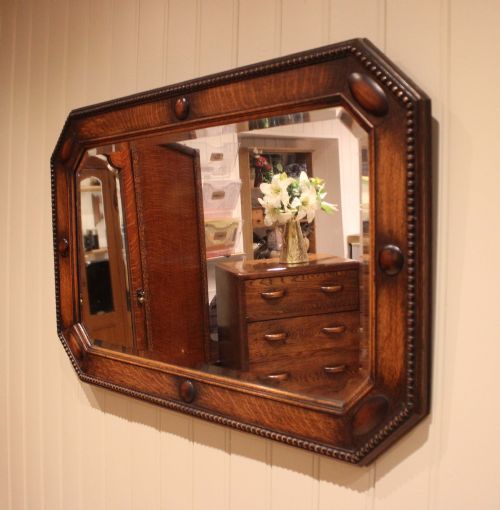
Forms range widely from practical wall mirrors and overmantel designs to vanity mirrors and fire screens. You will encounter octagonal, rectangular, round, and diamond shapes, often enriched with peach or blue coloured glass panels.
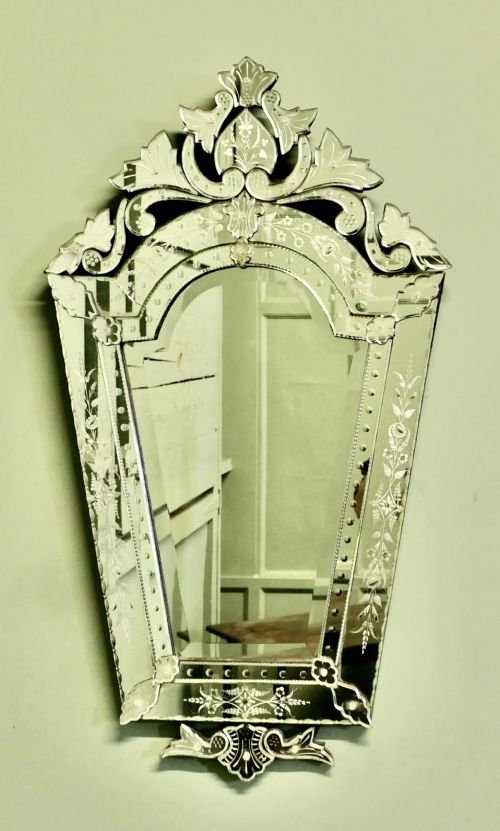
French and English origins dominate the selection, bringing varied interpretations of the style. Makers and craftsmen utilised both traditional timber frames and modern metallic constructions to achieve these architectural silhouettes.
How they were made
Makers combined traditional woodworking with emerging modern materials, using oak, bamboo, and wood alongside brass, bronze, and copper frames. Silvered glass and mirror glass form the reflective surfaces, frequently accompanied by stained glass or lead details.
Specialised techniques such as marquetry add intricate decorative borders to wooden frames. Gilt and cream finishes, alongside alabaster and velvet coverings, provide distinct textures that define the period aesthetic.
Art Deco Decorative Mirror Retail Price Guide 2026
Typical asking prices for art deco decorative mirror among the pieces listed under this phrase on Sellingantiques today, from the lower quarter to the upper quarter. They describe what is for sale here now, not the wider market.
Materials recorded across the selection include brass, oak, alabaster, velvet, and tinted peach or blue glass.
What varies in quality
The sophistication of the frame construction and the choice of materials dictate the standing of a piece. Finer examples display meticulous attention to detail in their marquetry work and metal joints, rather than relying on simple surface decoration.
The clarity and depth of the mirror glass, especially in tinted peach or blue variations, set superior pieces apart. Integrated elements like brass sunbursts or complex leaded panels demonstrate a higher level of artisan skill.
A.J Rowley
The Art Deco Decorative Mirror Glossary
- Overmantel mirror
- A large horizontal mirror designed specifically to hang above a fireplace mantelpiece. These pieces often anchor the surrounding room decor.
- Sunburst mirror
- A circular frame featuring radiating beams or rays emanating from the centre glass. This motif remains a defining characteristic of period design.
- Marquetry
- The art of applying small pieces of veneer to a structure to form decorative patterns. Craftsmen utilised this technique to create pictorial scenes on wooden frames.
- Silvered glass
- Glass coated with a reflective metallic compound on the rear surface. This process creates the mirror effect seen in antique pieces.
- Fire screen
- A decorative panel placed in front of an unlit fireplace to hide the grate. Some examples incorporate mirror glass and brass to reflect light into the room.
Art Deco Decorative Mirror: Frequently Asked Questions
Where should I hang an overmantel mirror?
These large horizontal mirrors traditionally sit directly above a fireplace mantelpiece to reflect light and anchor the room's proportions.
Ensure the wall fixings match the weight of the frame securely before mounting.
How do I clean antique mirror glass?
Use a soft, dry microfiber cloth to gently remove dust from the surface without applying heavy pressure to the edges.
Avoid harsh chemical sprays that might seep behind the glass and damage the silvered backing.
What is a fire screen mirror used for?
A fire screen serves as a decorative barrier in front of an unlit fireplace during warmer months.
Reflective versions help bounce natural daylight around the room while concealing the empty hearth.
How do I identify a 1920s mirror?
Look for geometric forms, brass accents, and distinctive coloured glass panels typical of the early twentieth century.
Construction methods often combine traditional timber frames with emerging industrial metalwork techniques.