

Art Deco Cluster
An art deco cluster brings together geometric precision and brilliant central stones, offering the enduring symmetry of the interwar period.
Art Deco Cluster
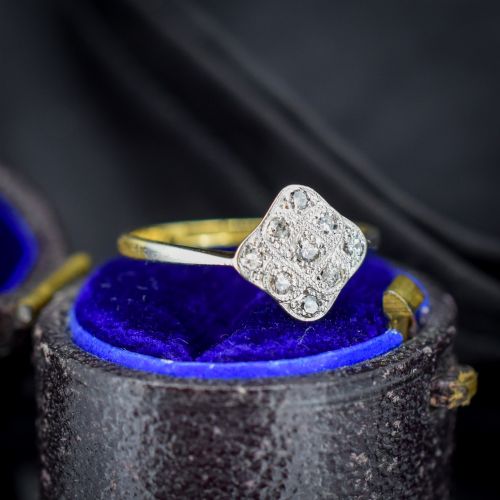
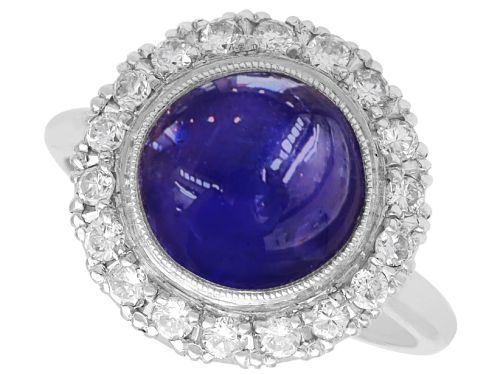
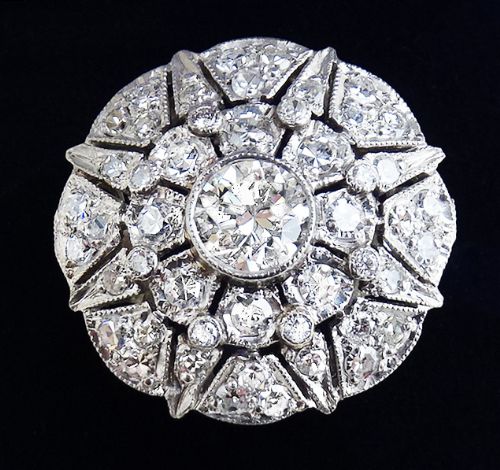
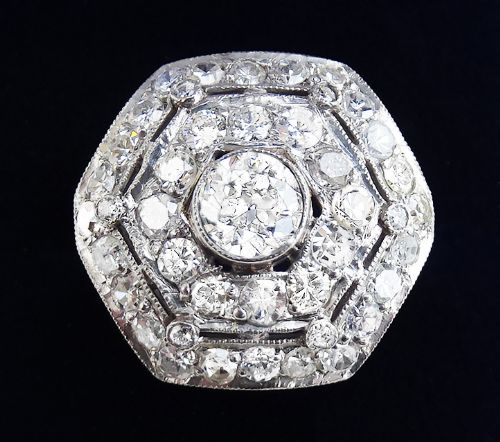
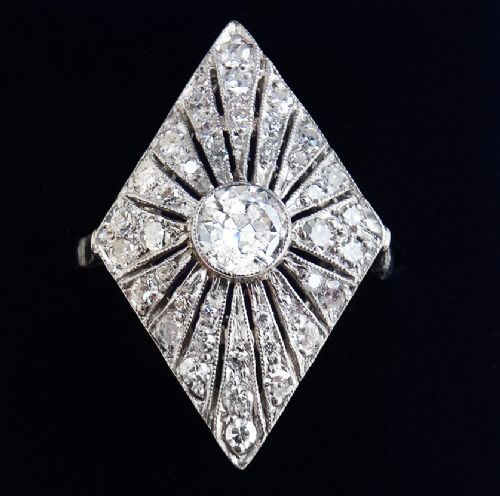
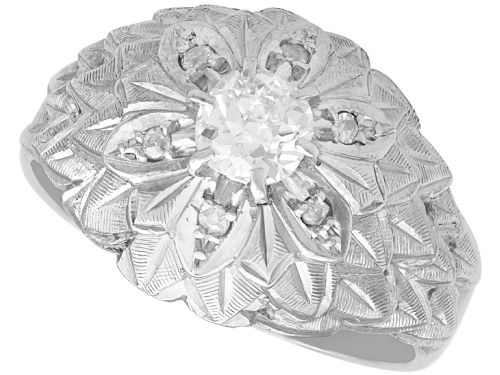
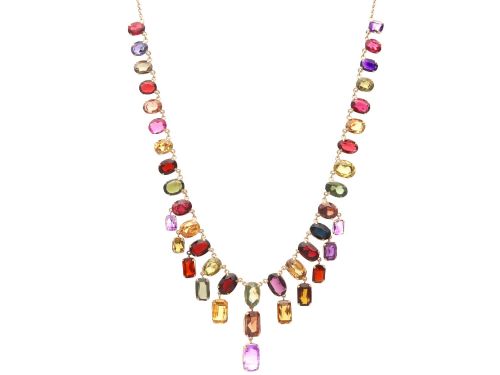
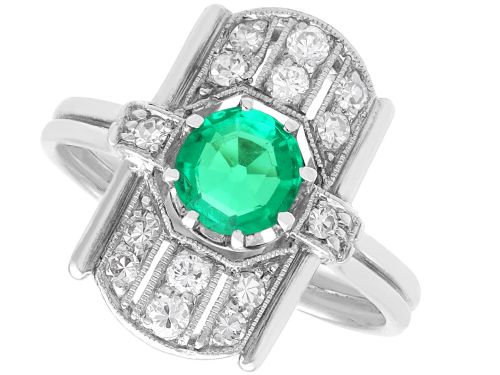
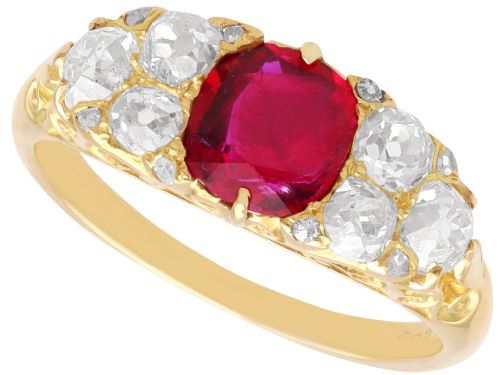
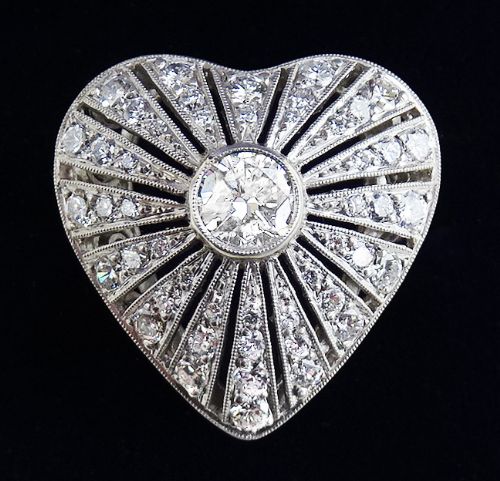
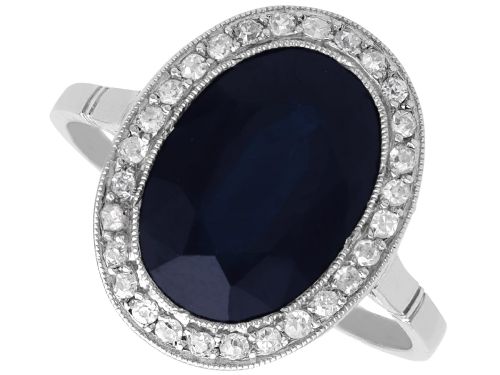
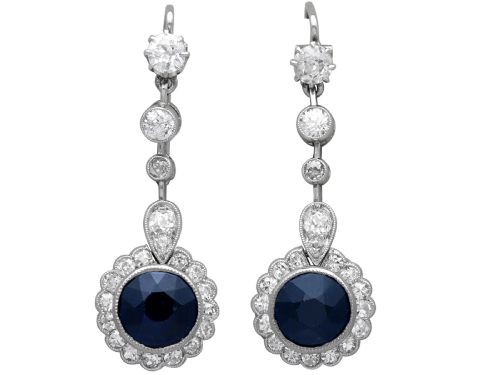
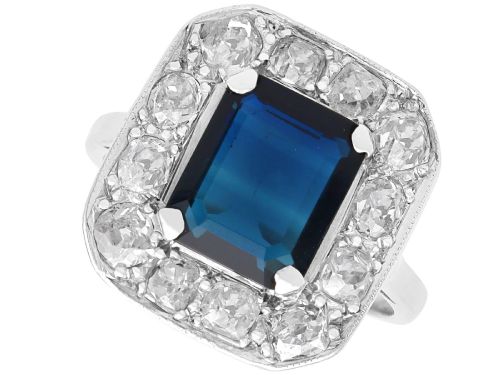
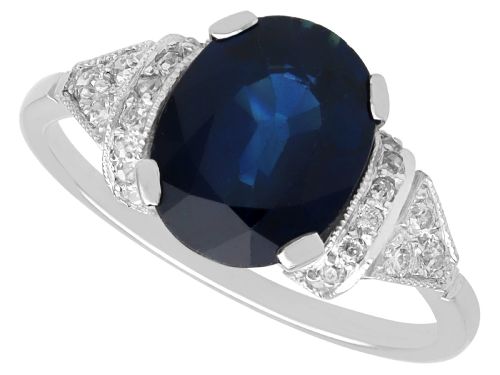
When a buyer searches for an art deco cluster, they look for concentric arrangements of diamonds and coloured gemstones set within a distinct geometric framework. The pieces appearing on this page span rings, earrings, necklaces, and brooches, with cluster rings forming the majority of the selection.
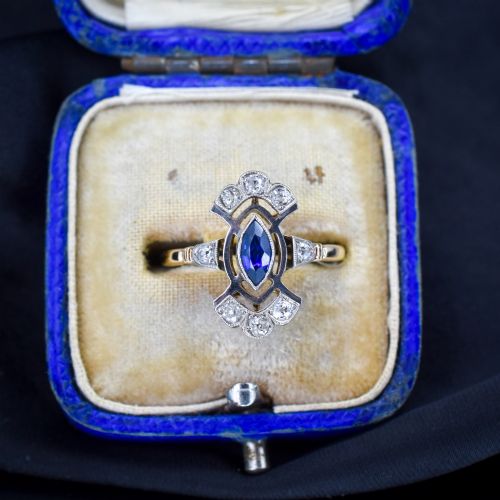
Most examples originate from the 1920s and 1930s, accompanied by later revival styles and related Edwardian designs. Forms range from navette shapes and heart designs to classic round daisy configurations and substantial cocktail rings.
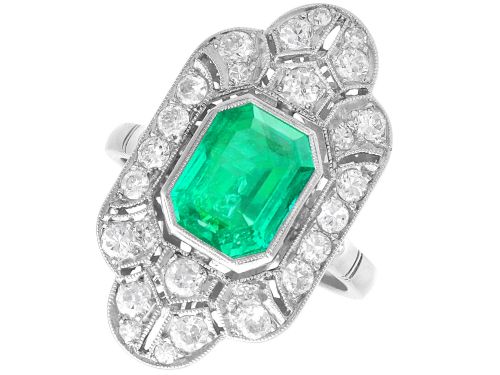
Makers utilised platinum alongside 18ct white gold, yellow gold, and occasional rose gold to frame central diamonds, sapphires, rubies, and emeralds. These configurations place a prominent stone directly at the focal point, surrounded by smaller accent gems.
Materials and construction methods
The construction of these pieces relies heavily on the pairing of platinum with diamond, sapphire, emerald, and ruby. Platinum provided the tensile strength needed for intricate millegrain edges and fine pierced work without adding excessive weight to the mount.
Goldsmiths combined this white metal with 18ct yellow and white gold bands, occasionally incorporating silver settings for paste stones. Stones were secured using delicate claw settings and grain settings that maximised light entry while keeping the metalwork visually restrained.
Art Deco Cluster Retail Price Guide 2026
Typical asking prices for art deco cluster among the pieces listed under this phrase on Sellingantiques today, from the lower quarter to the upper quarter. They describe what is for sale here now, not the wider market.
Some cluster rings hide secret under-galleries with pierced scrollwork that only the wearer ever sees.
Distinctions in craftsmanship and stone selection
Quality in an art deco cluster rests upon the precision of the geometric layout and the integrity of the original metalwork. Superior examples display crisp millegrain work, symmetrical stone spacing, and mounts that show no signs of thinning or excessive previous resizing.
The value and visual impact of the piece also depend heavily on the origin and treatment of the central stones, such as unheated sapphires or Colombian emeralds paired with well-matched diamond surrounds. Finer pieces maintain balanced proportions between the central focal gem and the surrounding cluster.
The Art Deco Cluster Glossary
- Navette
- A boat-shaped gemstone setting that tapers to points at both ends. This elongated silhouette is typical of 1920s cluster rings.
- Millegrain
- A decorative technique featuring a row of tiny raised metal beads along the edge of a setting. It softens the transition between metal and stone.
- Ballerina ring
- A cluster design where a central stone is encircled by a radiating fringe of tapered baguettes or diamonds. The resulting shape resembles a tutu.
- Paste
- Faceted glass used as a gemstone substitute in period jewellery. It offers high brilliance when set alongside precious metals.
- Cocktail ring
- A large, bold ring worn to evening social events. These pieces prioritise visual impact through high-carat central gems and wide frames.
Art Deco Cluster: Frequently Asked Questions
How do I date an art deco cluster ring?
Dating relies on examining the mounting style, metal combinations, and hallmark stamps where present. The geometric symmetry and use of platinum point directly to the interwar decades.
Later revival pieces often employ heavier castings or modern alloy stamps that distinguish them from genuine 1920s and 1930s production.
Are these rings suitable for daily wear?
Many buyers choose these clusters for engagement or everyday wear due to the durability of platinum and diamond components. Proper care ensures the delicate claw settings remain secure.
Pieces incorporating softer gems like emerald or pearl require more mindful wear to prevent surface scratching over time.
What is the difference between Edwardian and art deco clusters?
Edwardian designs tend to feature lighter, garland-style motifs with lacy platinum filigree and softer curves. Art deco clusters shift toward rigid geometry, strong lines, and sharp angles.
The transition between these eras appears in transitional settings that blend floral softness with early symmetrical repeats.
Can the size of a cluster ring be adjusted?
Most gold and platinum cluster bands can be resized by a skilled jeweller who understands antique construction. The complexity of the work depends on whether the shoulders feature intricate engraving or channel-set diamonds.
Consulting a specialist ensures the structural integrity of the outer cluster gallery remains undisturbed during the adjustment.