

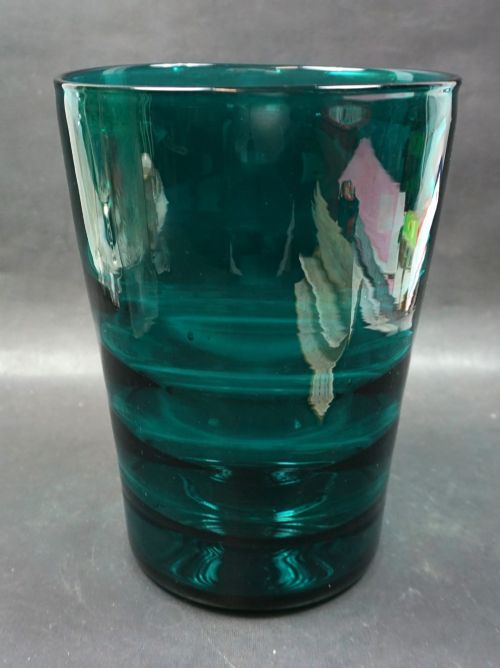
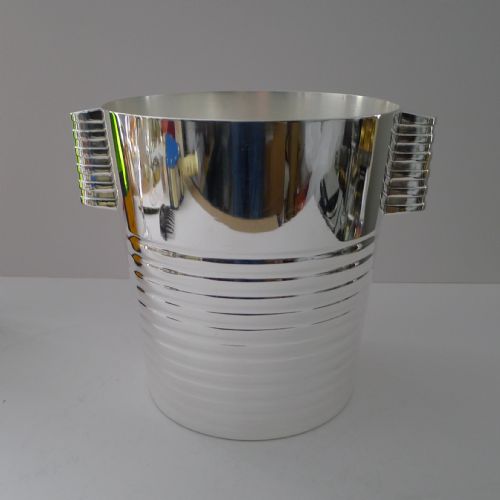
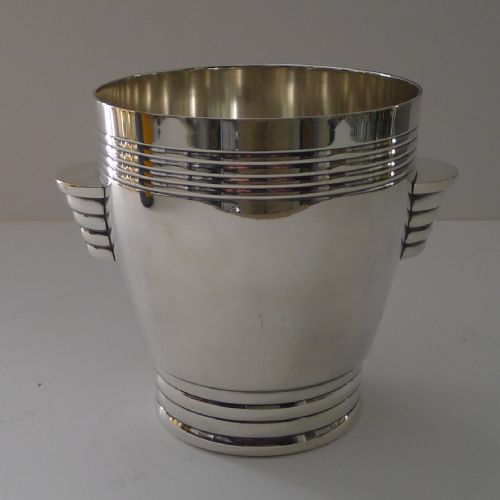
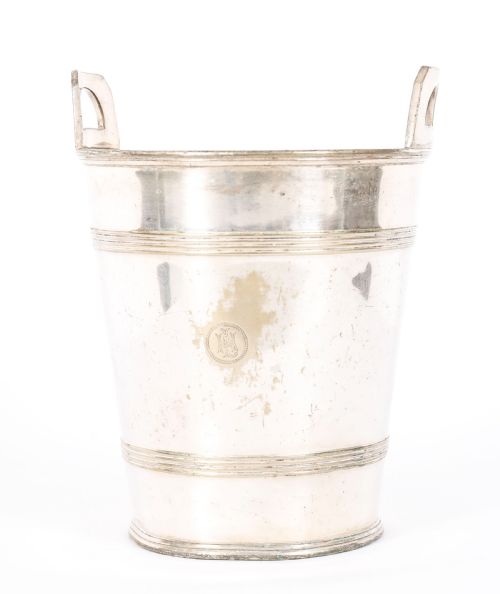


Art Deco Bucket
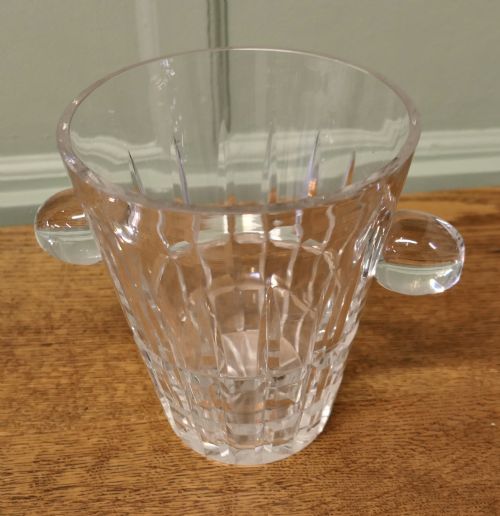
An art deco bucket brings geometric lines and substantial weight to entertaining, serving as a striking ice vessel or champagne cooler.
Art Deco Bucket
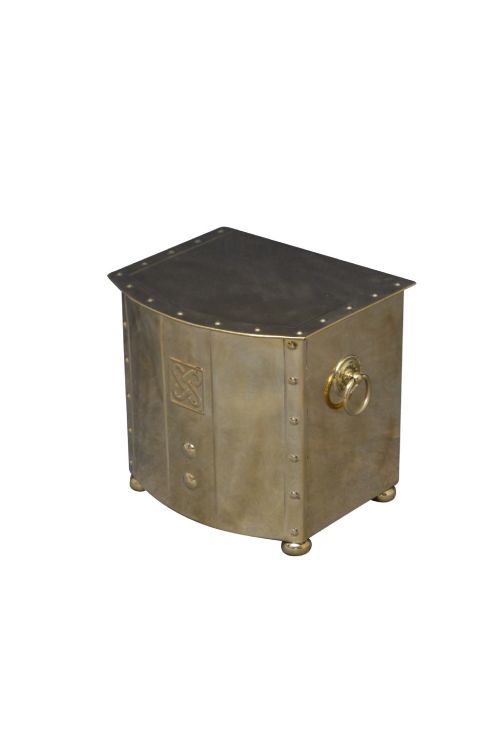
An art deco bucket encompasses utilitarian vessels designed for cooling wine and champagne, holding ice, or functioning as coal bins and log stores. These objects frequently emerge from French and English workshops during the early decades of the twentieth century.
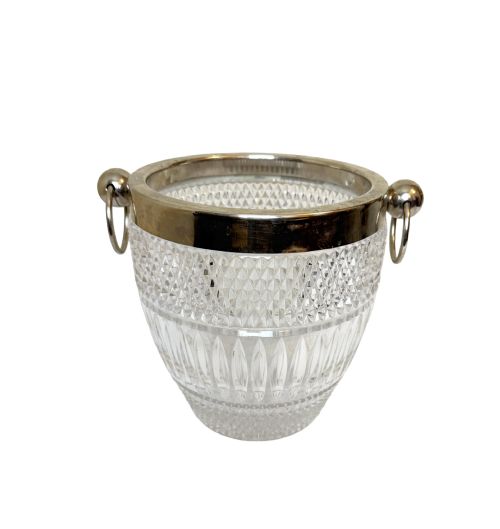
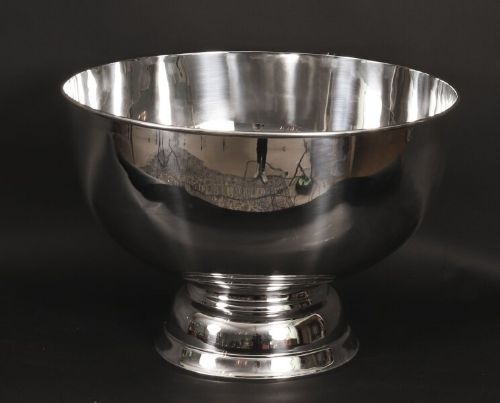
The most common forms on this page include silver-plated champagne coolers, ice buckets fitted with cut glass liners, and heavy copper or brass planters adapted for barware or fuel storage.
Makers from the 1920s, 1930s, and 1940s dominate the selection, combining functional metalwork with decorative crystal components to suit formal dining rooms and contemporary bar settings.
Materials and construction
Artisan workshops utilised heavy gauge metals, plating base metals with silver to achieve a bright, reflective finish suitable for formal service. Copper and brass pieces often rely on dinanderie techniques, producing textured or patinated surfaces with deep metallic warmth.
Vessels that hold ice or wine frequently incorporate hand-blown and cut crystal or glass inserts. These liners slide into silver-plated or chrome frames, combining transparent refractivity with structural metal support.
Art Deco Bucket Retail Price Guide 2026
Typical asking prices for art deco bucket among the pieces listed under this phrase on Sellingantiques today, from the lower quarter to the upper quarter. They describe what is for sale here now, not the wider market.
Talon tongs occasionally accompany these ice buckets, offering bird-claw grips to secure ice cubes with predatory precision.
Judging quality and manufacture
The distinction between standard production items and premier pieces rests on the weight of the metal and the precision of the cut glass. Substantial gauge silver plate or heavy chrome provides enduring durability, whereas thinner plating shows wear across high-contact handles and rims.
Design attribution elevates certain examples, particularly when created by recognised Parisian or Sheffield manufacturers. The integration of specialised elements, such as fitted tongs, original glass liners, or distinctive sculptural mounts, separates mass-produced items from masterworks.
Hutton Sheffield·Christofle·Mappin & Webb·WMF·Elkington·Luc Lanel
The Art Deco Bucket Glossary
- Silver Plate
- A base metal such as brass or copper coated with a thin layer of silver through electroplating. This technique allowed manufacturers to produce lustrous tableware without the expense of solid silver.
- Dinanderie
- A French term for decorative brass or copper art objects created by hammering, stamping, or etching metal. The process produces rich, tactile surfaces characteristic of early twentieth-century metalwork.
- Cut Crystal
- Glass containing lead oxide that is hand-cut with geometric or floral facets to increase brilliance and refraction. It provides heavy, clear inserts for ice buckets and wine coolers.
- Champagne Cooler
- A deep, wide vessel designed to hold ice and water for chilling wine bottles. These pieces often feature sturdy side handles for transport between dining tables and cellars.
- Jardiniere
- An ornamental pot or stand designed to hold plants or flowers. In metal or oak, these vessels frequently double as log bins or wine coolers in domestic interiors.
Art Deco Bucket: Frequently Asked Questions
What is an art deco bucket used for?
These vessels serve primarily as champagne coolers, ice buckets, or wine holders for entertaining guests. Some larger examples function alternatively as decorative coal bins, planters, or log stores.
Their robust construction in silver plate, brass, and copper allows them to hold ice and bottled beverages securely on a dining table or sideboard.
How do I clean a silver-plated ice bucket?
Clean silver plate gently using a specialised silver cloth or mild, non-abrasive liquid polish to preserve the reflective finish. Avoid harsh scouring pads that might wear through the thin silver layer down to the base metal.
Remove glass liners separately for washing in warm soapy water, ensuring all crystal components dry completely before reassembly.
Are these buckets waterproof?
Metal wine coolers and ice buckets with integrated bases or fitted glass inserts hold water and melting ice securely. Pieces featuring wooden elements or unlined copper require caution to prevent moisture damage to joints and surfaces.
Checking for original glass inserts confirms whether a specific model was engineered for direct liquid containment.
How can I date an art deco bucket?
Dating relies on maker stamps, regional hallmarks, and stylistic indicators associated with the 1920s, 1930s, and 1940s. Streamlined geometric forms and specific manufacturer signatures provide the clearest chronological markers.
Comparative study of catalogued pieces from firms like Christofle or Mappin & Webb helps narrow the production era.