




Art Deco Bowl Set
These art deco bowl set selections gather tableware and vanity pieces spanning the early twentieth century, offering striking geometric designs and period charm for modern interiors.
Art Deco Bowl Set
An art deco bowl set brings together matching or coordinated vessels intended for dining, dressing tables, or display, originating primarily from the 1920s and 1930s. Buyers searching this phrase encounter groups of small vessels, glass suites, and vanity containers designed with the characteristic symmetry and clean lines of the period.
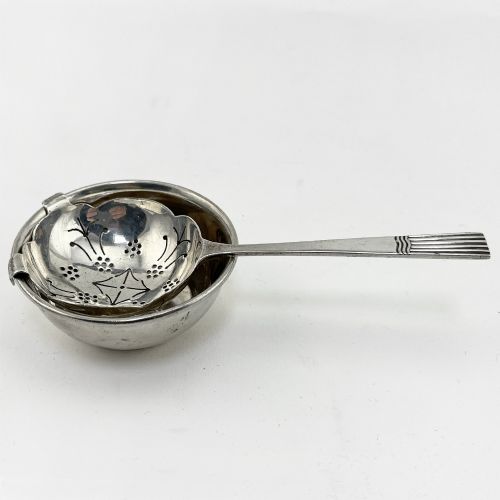
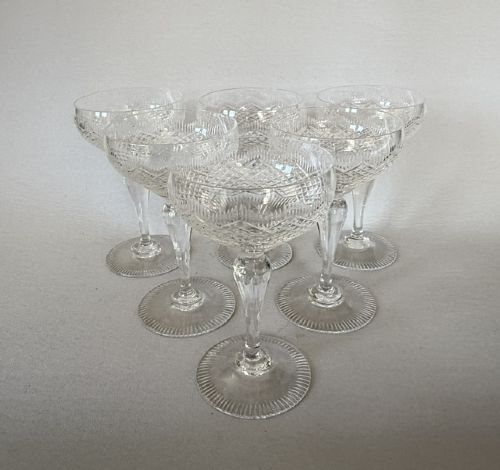
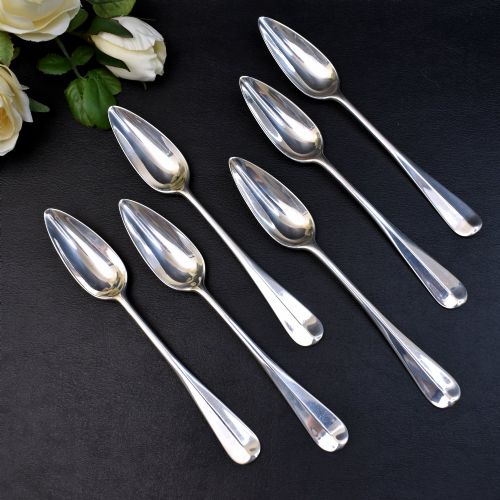
The versions most commonly met on this page include glass champagne bowls, miniature porcelain lustre bowls, and silver-plated sugar and cream sets. These groupings reflect the era's taste for stylish entertaining and coordinated home accessories.
Materials and production techniques
The construction of these pieces relies heavily on moulded and cut glass, sterling silver, silver plate, and ceramic bodies enhanced with enamel or lustre glazes. Artisans utilised techniques such as glass engraving, metal stamping, and detailed ceramic firing to achieve the crisp finishes characteristic of the era.
Combinations of contrasting elements, such as silver-plated frames holding glass containers or porcelain finished with vibrant lustre glazes, define the physical composition of many sets in the inventory.
Art Deco Bowl Set Retail Price Guide 2026
Typical asking prices for art deco bowl set among the pieces listed under this phrase on Sellingantiques today, from the lower quarter to the upper quarter. They describe what is for sale here now, not the wider market.
Judging quality in period sets
Quality in these sets rests upon the crispness of the manufacturing execution, whether through sharply defined glass cutting, even enamel application, or robust silver plating. Superior examples exhibit precise geometric alignment and well-preserved surface decoration without blurring or wear.
The presence of matching original components, such as coordinated lids, trays, or fitted presentation cases, distinguishes finer survivals from incomplete or assembled groupings.
Hamilton & Inches·Armada Pewter·Mappin & Webb·Gladstone Potteries
The Art Deco Bowl Set Glossary
- Art Deco
- A design style spanning the 1920s and 1930s characterised by streamlined forms, geometric patterns, and modern industrial materials. It replaced the flowing curves of earlier decorative arts with bold symmetry.
- Silver Plate
- A base metal, such as nickel silver or pewter, coated with a thin layer of pure silver. This technique allowed manufacturers to produce decorative tableware at a lower cost than solid sterling silver.
- Lustre
- A ceramic glaze containing metallic oxides that produces an iridescent, glowing surface finish when fired in a kiln. It creates shimmering rainbow effects across porcelain bowls and decorative items.
- Engraved Glass
- Glassware decorated by carving designs directly into the surface using a rotating wheel or abrasive tools. This technique adds tactile depth and intricate patterns to drinking vessels and bowls.
- Bakelite
- An early synthetic plastic valued during the 1920s and 1930s for its durability and rich colour potential. It frequently appears on handles, knobs, and decorative accents within period sets.
Art Deco Bowl Set: Frequently Asked Questions
What is an art deco bowl set?
An art deco bowl set comprises coordinated vessels produced during the interwar period, typically featuring the geometric motifs and streamlined forms of the era. These groupings encompass glass champagne bowls, porcelain lustre vessels, and vanity containers.
Such sets were manufactured for both dining and personal grooming, reflecting the distinct aesthetic preferences of the 1920s and 1930s. Today, they serve as both decorative accents and functional tableware.
How do I care for silver-plated bowls?
Silver-plated items require gentle cleaning with a soft cloth and a specialised silver polish to maintain their reflective finish. Avoid harsh abrasive cleaners that can wear away the thin silver layer over the base metal.
When not in use, storing these pieces in a dry environment helps prevent tarnishing. Proper handling preserves the original plating and any delicate surface engraving.
Can I use vintage glass bowls daily?
Many vintage glass bowls remain suitable for regular use, provided they are washed by hand rather than placed in a dishwasher. Sudden temperature changes should be avoided to protect antique glass from thermal shock and cracking.
Careful handling ensures that cut and engraved glass decorations survive intact through routine service. Delicate or thin-walled pieces are best reserved for light dining and display.
How do I identify 1930s ceramics?
Ceramics from the 1930s often display stylised geometric patterns, vibrant enamel colours, or glossy lustre glazes characteristic of the art deco movement. Makers' marks stamped or painted on the underside provide definitive clues to the pottery of origin.
Examining the weight, glaze consistency, and base styling helps differentiate these period pieces from later reproductions. The integration of modern forms distinguishes them from nineteenth-century tableware.