


Art Deco Bookshelf Unit
An art deco bookshelf unit brings clean geometric lines and rich timber tones into a room.
Art Deco Bookshelf Unit
An art deco bookshelf unit combines architectural presence with practical shelving, offering storage defined by the distinct aesthetic of the interwar period. These pieces originate predominantly from the 1930s, though related examples stretch back into Edwardian production and the early twentieth century.
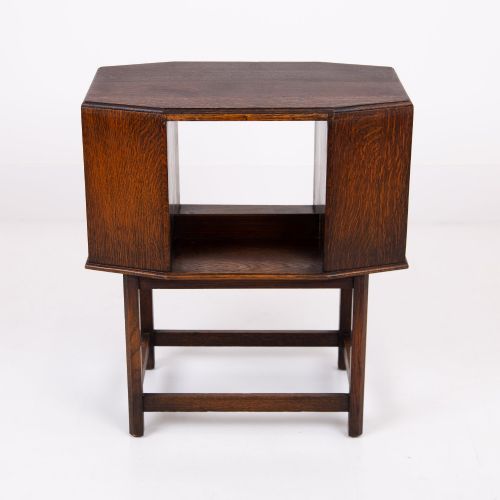
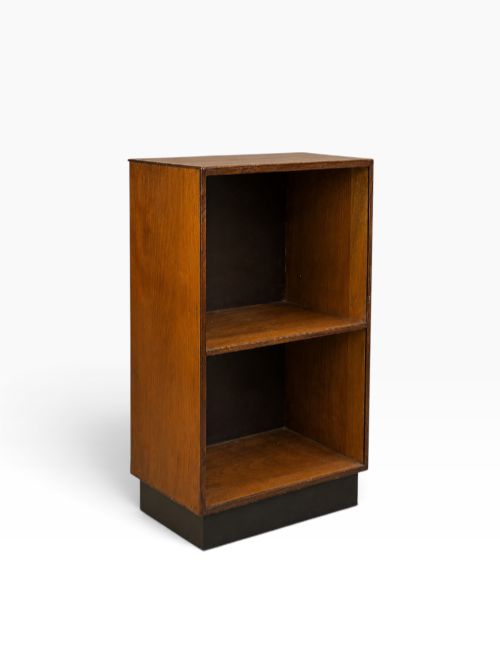
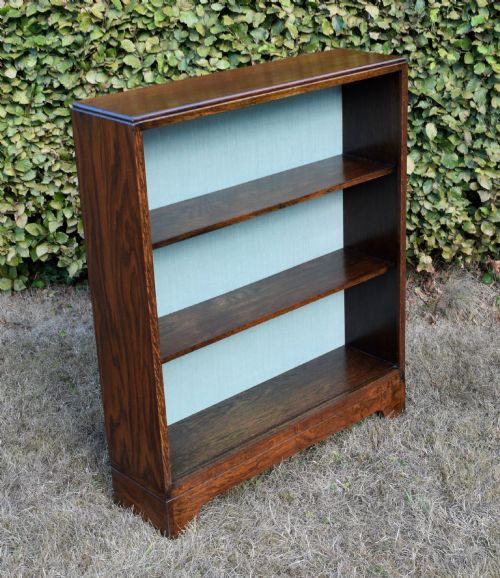
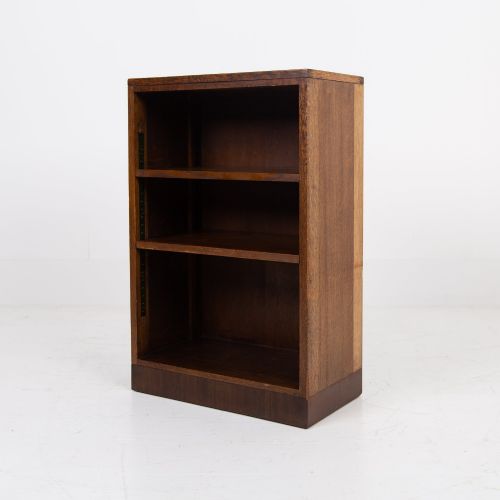
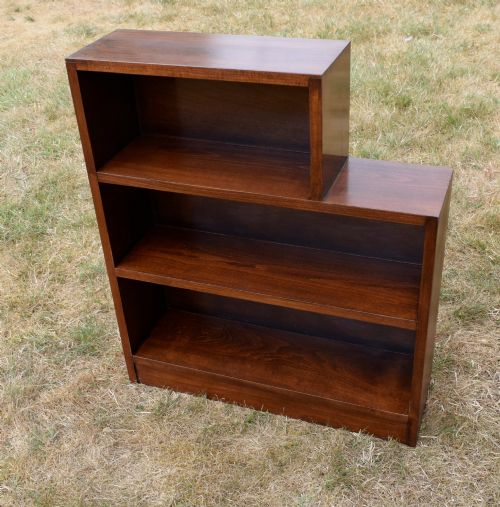
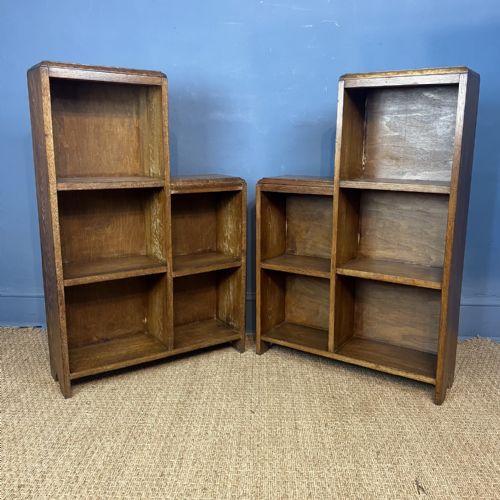
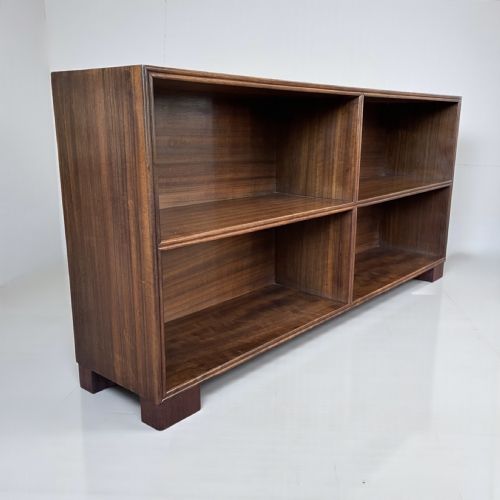
The form appears in various configurations on this page, ranging from compact open bookcases and side table hybrids to taller cabinet combinations. Walnut, oak, and ash provide the primary structural timber forms, often complemented by glass, brass details, and ebonised finishes.
Buyers will encounter specific regional interpretations alongside standard British pieces, including Swedish Grace designs that share the same clean proportions. Many examples display deliberate moulding to the front or cascade in a waterfall silhouette typical of the era.
Materials and construction
Cabinet makers utilised a combination of solid timbers and figured veneers, selecting oak, walnut, ash, and mahogany for their grain patterns and durability. Timber selection dictated the visual weight of the bookcase, with rich brown walnut and golden oak dominating the period output.
Construction techniques balanced functional shelving with decorative front mouldings, occasionally incorporating glass doors or leather tops into the broader bookcase format. Hardware such as brass fittings added subtle metallic contrast to the polished wooden surfaces.
Oak and walnut remain the most prevalent structural materials across the recorded inventory, alongside occasional ash and mahogany.
Quality and distinction
The distinction between standard production and exceptional work rests on the handling of timber veneers and the precision of the joinery. Pieces associated with notable designers exhibit greater refinement in their proportions and more cohesive integration of decorative mouldings.
Surface finish and the preservation of original materials heavily influence the character of each piece. Finer examples maintain crisp edges to the geometric forms and retain the intended depth of the polished wood finish.
Heals·Maurice Adams·Betty Joel·Sandberg & Co
The Art Deco Bookshelf Unit Glossary
- Art Deco
- A design style dominant in the 1925-1940 era characterised by streamlined geometric shapes, stylised motifs, and modern industrial materials. It replaced the more ornate floral curves of earlier movements.
- Swedish Grace
- A refined neoclassical and early modern design style originating in Sweden during the 1920s. It bridges traditional Scandinavian craftsmanship with stripped-back geometric elegance.
- Waterfall Bookcase
- A stepped shelving design where the sides curve backwards from top to bottom, resembling cascading water. This profile became popular during the early twentieth century.
- Ebonised
- Timber treated with a stain or finish to imitate ebony wood. This dark, uniform surface was frequently used to create high contrast in modern furniture.
- Open Bookcase
- A shelving unit without doors, designed for immediate access to books and display items. It highlights the internal timber grain and book spines alike.
Art Deco Bookshelf Unit: Frequently Asked Questions
How do I date an art deco bookshelf unit?
Most pieces on this page date from the 1930s, reflecting the peak of the decorative movement. Stylistic markers such as stepped cornices and specific timber choices help confirm the decade.
Earlier examples from the Edwardian period or 1910 tend to show transitional styles before the fully realised geometric aesthetic took hold.
Where should I place an open bookcase in a room?
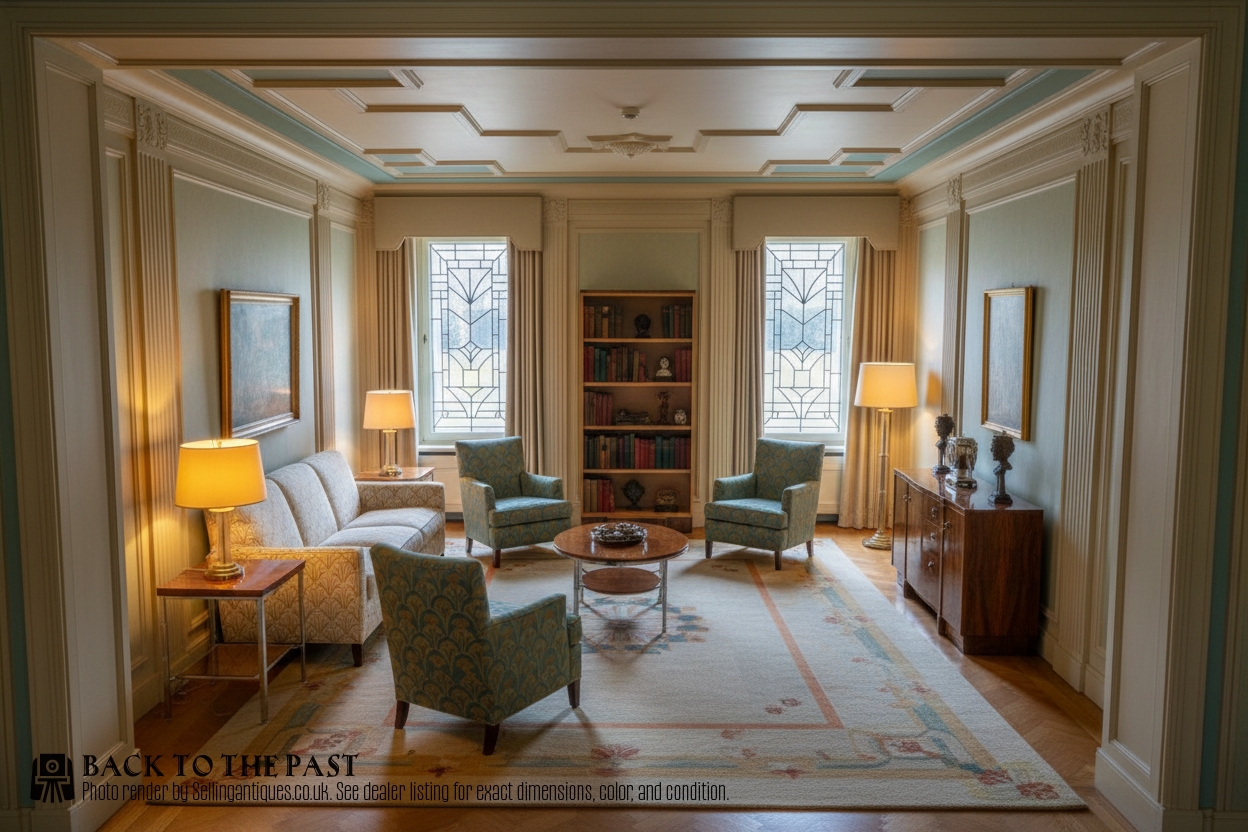
An open bookcase works effectively against a main wall or as a room divider if the back is finished properly. Side table variants function well beside seating areas where surface space is also required.
Ensure the timber tone complements existing furniture in the space without competing with other wood grains.
What is the difference between oak and walnut models?
Oak models tend to offer a lighter, more textured grain that suits domestic interiors from the Edwardian era through the 1930s. Walnut provides a darker, richer surface with prominent figuring prized by modernists.
Both timbers were standard choices for the period but create entirely different visual weights in a room.
Are these units suitable for heavy books?
Solid timber construction provides the necessary strength for everyday shelving requirements. Fixed shelves generally offer greater load-bearing stability than adjustable variants.
Distributing weight evenly across the shelves ensures the structural integrity of the vintage frame is maintained.