





Art Deco Bookend Figures
Art deco bookend figures combine practical desk accessories with sculptural display, bringing period character and decorative interest to any shelf.
Art Deco Bookend Figures
When you search for art deco bookend figures, you encounter sculptural supports designed to keep volumes upright while doubling as standalone decorative objects. The pieces appearing here span the 1920s and 1930s, alongside nineteenth-century examples that share the same sculptural focus.
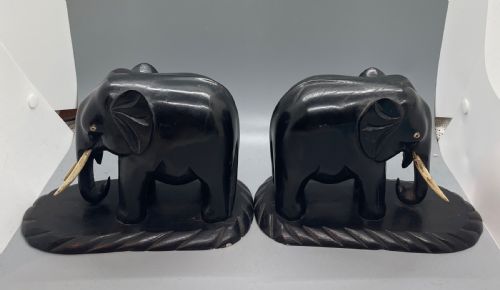
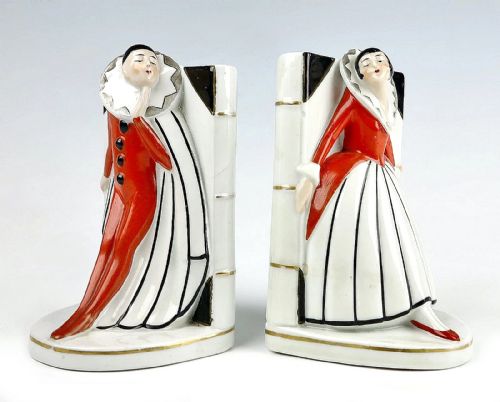
You are most likely to meet animal studies and human figures paired as matching sets. Common subjects include dogs such as greyhounds and spaniels, elephants, squirrels, and pierrot figures.
Originating largely from French workshops, these items serve both a utilitarian purpose on the library shelf and a purely visual role in interior display.
How they were made
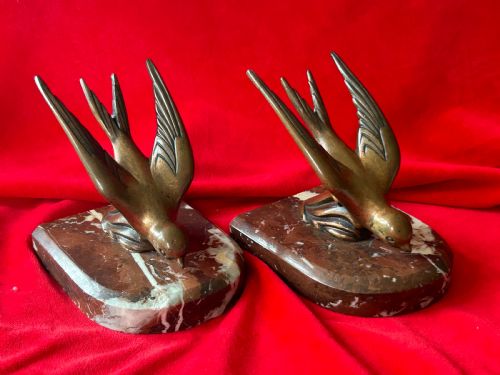
Maker construction relies heavily on cast metals such as spelter and bronze, often finished with silvering or chrome plating. These metallic figures are frequently mounted upon heavy bases of marble, alabaster, or hardwood to provide the necessary weight for holding books.
Ceramic and glazed earthenware versions introduce colour and modelled detail to the form, while rarer pieces incorporate carved bone, bamboo, and ebony elements.
Art Deco Bookend Figures Retail Price Guide 2026
Typical asking prices for art deco bookend figures among the pieces listed under this phrase on Sellingantiques today, from the lower quarter to the upper quarter. They describe what is for sale here now, not the wider market.
Listings feature materials spanning marble, hardwood, spelter, metal, ebony, bone, ceramic, and glaze across the 1920s and 1930s.
What varies in quality
The choice and combination of materials also set standards apart, particularly the selection of finely grained marble bases and the durability of the metallic finishes applied to the sculptures.
Karl Hagenaur·Salvado
The Art Deco Bookend Figures Glossary
- Spelter
- A zinc alloy commonly utilised as a base metal for sculptural castings during the period. It takes patination and plating well to imitate bronze.
- Alabaster
- A fine-grained mineral stone used for the heavy bases of bookends. Its translucent quality gives a soft appearance compared to solid marble.
- Patina
- The surface appearance acquired by metal through age and handling. Collectors value original finishes that show honest signs of period use.
- Chromed
- Coated with a thin layer of chromium for a bright, durable finish. This treatment protects the underlying metal and provides a reflective surface typical of modern design.
Art Deco Bookend Figures: Frequently Asked Questions
What materials are used?
Makers employed a range of materials including marble, spelter, bronze, ceramic, and hardwoods. Metal figures are typically mounted on heavy stone bases to hold books securely.
More unusual pieces incorporate carved bone, bamboo, and ebony elements alongside glazed ceramics.
Are they sold as pairs?
Most examples appear as matched pairs designed to anchor both ends of a row of books. Symmetrical poses facing inward are common.
Individual sculptures also serve as bookends when paired with a heavy shelf end or used as standalone mantel ornaments.
How do I date them?
Dating relies on stylistic markers associated with the nineteen-twenties and nineteen-thirties, combined with material choices like chrome plating and alabaster bases.
Maker signatures, foundry marks, and the specific depiction of animal and human subjects further help place pieces in their era.
Where were they made?
Many surviving examples originate from French workshops and foundries active during the interwar period. European designers produced diverse figurative styles ranging from realistic animal studies to theatrical character pieces.
Stylistic traits often reflect the broader output of continental decorative arts from those decades.