

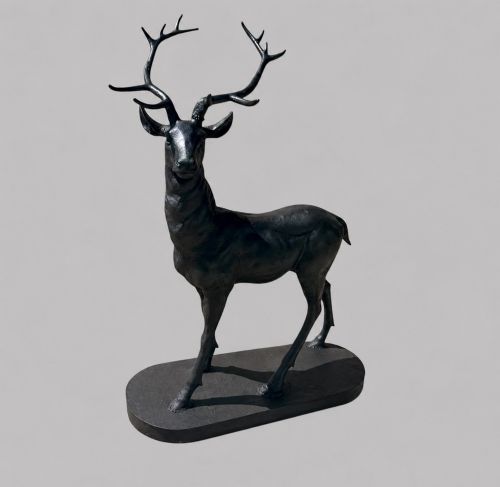


Art Deco Animal Figure
An art deco animal figure captures the dynamic energy of wildlife through stylised geometric forms.
Art Deco Animal Figure
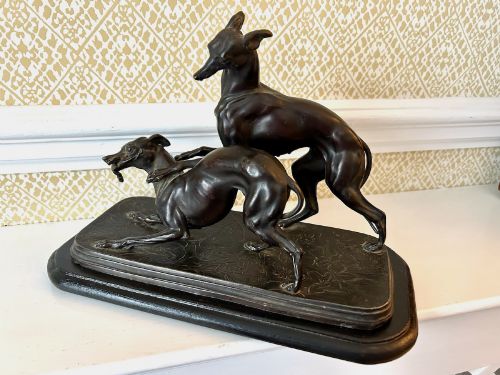
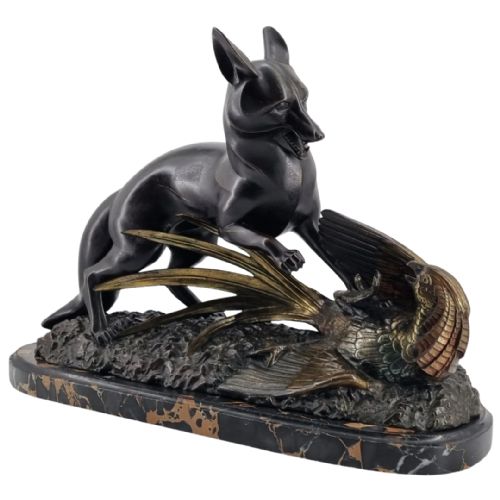
When searching for an art deco animal figure, collectors encounter sculptures, bookends, and figurines that translate nature into crisp angles and sleek contours. These pieces span subjects from domestic dogs and cats to wild panthers, stags, and birds, often mounted on heavy stone plinths.
The versions most commonly met on this page date from the 1920s and 1930s, reflecting the interwar passion for speed and streamlined design. French workshops and European makers dominate these forms, producing everything from single leaping hounds to pairs of bookends.
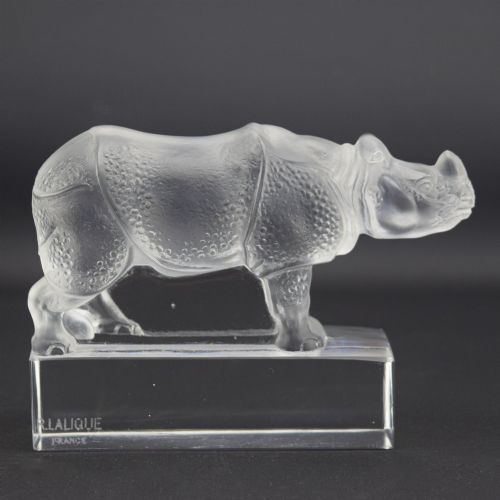
Functional items such as night lights, paperweights, and table lamps also appear, combining utility with decorative sculpture. The materials shift from heavy bronze and spelter to carved wood, terracotta, and glazed ceramic.
Materials and construction methods
Metal sculptures rely on bronze casting or spelter moulding, often finished with patination, silvering, or painted highlights. Spelter provides a lighter, more economical alternative to bronze, while marble and alabaster serve as substantial bases for the figures.
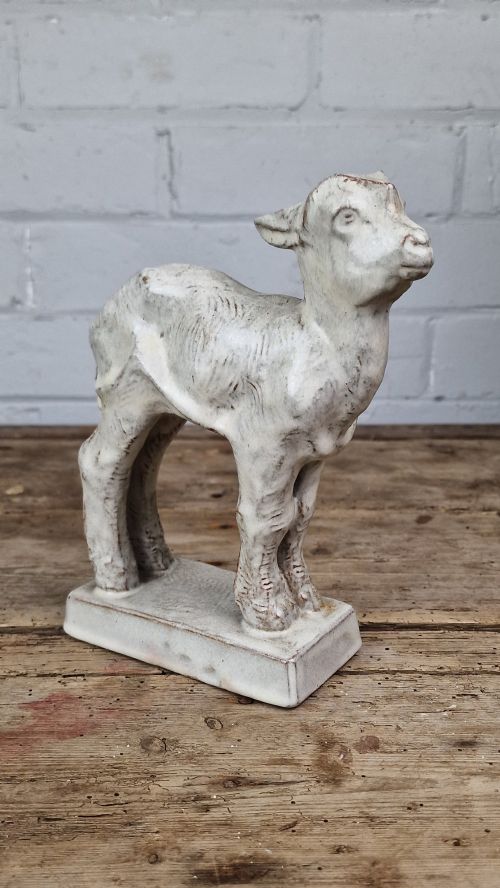
Ceramic and terracotta models utilise moulded clay finished with glazes, sometimes incorporating gilded details or glass eyes for added realism. Wood carving appears in solid pieces depicting big cats and lions, showcasing the grain alongside stylised geometric planes.
Art Deco Animal Figure Retail Price Guide 2026
Typical asking prices for art deco animal figure among the pieces listed under this phrase on Sellingantiques today, from the lower quarter to the upper quarter. They describe what is for sale here now, not the wider market.
Look closely at the feline models, where several cunning panthers sport genuine glass eyes to watch over the room.
Assessing craftsmanship and finish
Quality rests in the crispness of the casting and the sensitivity of the modelling, where superior pieces capture musculature and movement with distinct clarity. Weaker examples show soft details, heavy seams, or lazy proportions that obscure the intended dynamism.
The integration of the figure with its base dictates overall success, particularly in multi-component works involving marble, alabaster, or wood. Finer works display thoughtful patination and careful finishing that elevate the material rather than mask its imperfections.
Eugene Emile Borga·Karl Hagenaur·Guido Cacciapuoti·Albert Hussmann·Michel Decoux·I. Rochard
The Art Deco Animal Figure Glossary
- Spelter
- A zinc alloy commonly used as a cost-effective substitute for bronze during the period. It takes patination well but requires gentle handling due to its relative softness.
- Patina
- The surface sheen or coloration developed naturally with age or applied chemically by the maker. It accentuates the texture and contours of metal sculptures.
- Animalier
- A nineteenth and twentieth century artistic tradition focusing on the realistic or stylised portrayal of animals. Practitioners often studied anatomy closely before applying modernist abstraction.
- Alabaster
- A fine-grained stone used for sculptural bases and carved figures. Its translucent quality allows light to pass softly through the material.
Art Deco Animal Figure: Frequently Asked Questions
What animals appear most often?
Big cats such as panthers and lions feature prominently alongside dogs, stags, and various birds. These subjects suited the modernist desire for sleek silhouettes and representations of raw power.
Domestic pets like spaniels and greyhounds also appear frequently, often cast in pairs to serve practical roles as bookends.
How do I identify spelter from bronze?
Bronze is heavier, colder to the touch, and yields a more resonant ring when tapped gently. Spelter is softer, lighter, and often shows grey metal beneath chips in the surface finish.
Many spelter pieces rely on applied patination to mimic the richer appearance of traditional bronze casting.
Were these figures meant to be functional?
Many sculptures served a dual purpose in interwar interiors, functioning as bookends, paperweights, or night lights. Even purely decorative figurines were designed to complement the architecture of the room.
Mounted bases of marble or wood often integrated electrical fittings or practical hardware.
How should I clean my sculpture?
Dust metal and wooden surfaces regularly with a soft, dry cloth to prevent grime accumulation. Avoid harsh chemical cleaners that strip patination or damage delicate glazes.
Stone bases benefit from gentle wiping with a damp cloth, followed immediately by thorough drying.