





Arita Blue and White
These pieces of arita blue and white porcelain bring centuries of Japanese ceramic skill into modern homes.
Arita Blue and White
Arita blue and white objects comprise plates, bowls, chargers, and vases originating from Japan across several distinct periods. Pieces from the seventeenth century and eighteenth century sit alongside later nineteenth-century examples and items dating up to nineteen hundred.
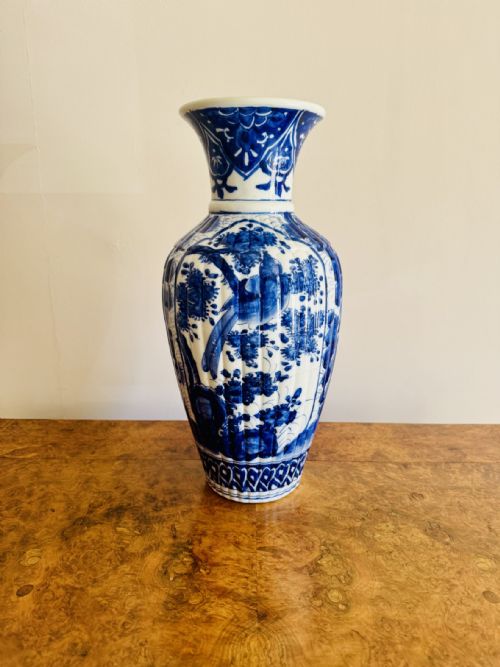
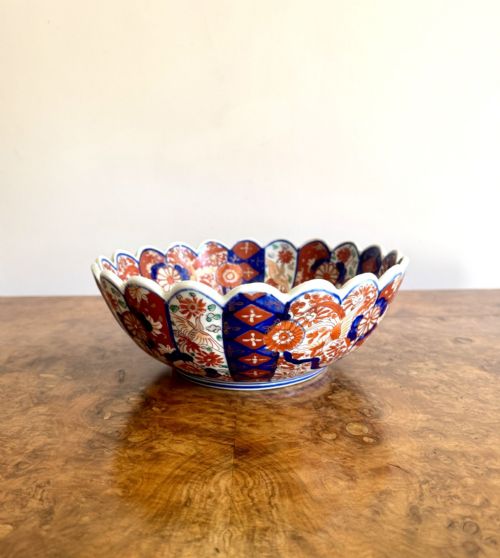
Buyers frequently encounter large chargers, scalloped edge bowls, and bottle vases decorated with traditional motifs such as scrolling foliate borders and koi carp. These forms reflect both domestic utility and historical export traditions from the Arita kilns.
The selection ranges from early Edo period vessels to Meiji period tableware and decorative ceramics. Each object preserves the distinct aesthetic developed by Japanese artisans working in porcelain.
Materials and Technique
Potters shaped fine porcelain clay into vessels before applying cobalt underglaze pigments to the dry body. Artisans then hand painted intricate designs, often incorporating enamel and gold leaf accents on specific forms.
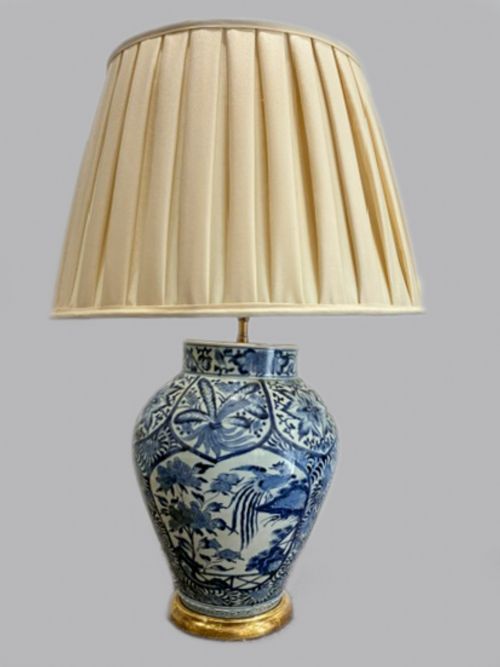
Kiln firing transformed the mineral pigments and clay into durable ceramic objects with distinct glaze surfaces. Selected pieces also feature added brass mounts or conversions for lighting use.
Listings feature porcelain forms ranging from seventeenth-century bottle vases and wine bottles to nineteenth-century chargers and table lamps.
Distinctions in Quality
The sophistication of the hand painting determines the visual success of each piece, distinguishing hurried production from careful artistry. Finer examples display precise brushwork in the cobalt pigment, creating clear contrast against the white porcelain ground.
Proportion and potting technique define the structural merit of vessels and plates. Superior items maintain balanced forms and clean surfaces without excessive kiln distortion.
Fuku Mark
The Arita Blue and White Glossary
- Arita
- A Japanese town and the historical centre of porcelain production where these wares originated. Kilns in this region supplied both domestic markets and international trade.
- Imari
- A style of Japanese porcelain exported from European ports, often featuring cobalt blue alongside iron red and gold. Many pieces on this page carry this traditional classification.
- Cobalt Underglaze
- A blue pigment applied to pottery before the glaze and high-temperature firing. This technique protects the colour beneath a glassy protective layer.
- Charger
- A large decorative plate intended for display rather than table service. These substantial vessels often showcase the most elaborate painted compositions.
- Meiji Period
- A Japanese historical era lasting from eighteen sixty-eight to nineteen twelve. Ceramics from this time often exhibit refined hand-painted details.
Arita Blue and White: Frequently Asked Questions
What is arita blue and white porcelain?
These items are ceramic vessels, plates, and bowls created in the Japanese town of Arita using cobalt pigment on a white porcelain body. They span multiple centuries of production.
Potters shaped these objects for everyday use, ceremonial purposes, and international trade, resulting in a rich variety of forms.
How do I date an arita piece?
Dating relies on stylistic clues, potting characteristics, and historical periods such as the Edo or Meiji eras. Examining the brushwork and form helps narrow down the century.
Earlier pieces often display different potting traits compared to items produced around nineteen hundred.
How were these ceramics used originally?
Many items served practical dining and storage functions, including sake ewers, wine bottles, bowls, and serving plates. Chargers and large vessels were designed for prominent display.
Some historical pieces were later adapted into lamps while retaining their original ceramic bodies.
How do I care for antique porcelain?
These ceramic objects require gentle handling and cleaning with soft, dry cloths to protect the glaze and any surface enamel. Avoid abrasive materials and harsh chemical cleaners.
Display vessels securely away from heavy traffic areas to prevent accidental impacts.