



Archtop Wall Mirror
An archtop wall mirror brings architectural grace to a room, offering grand proportions and reflected light that transforms plain plaster walls.
Archtop Wall Mirror
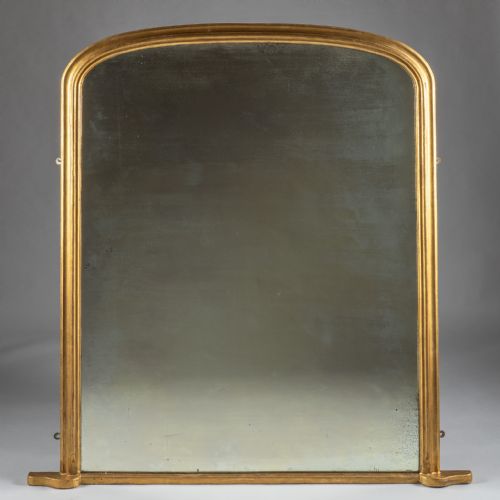
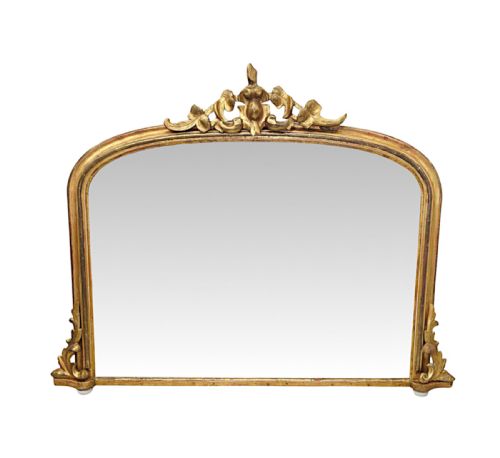
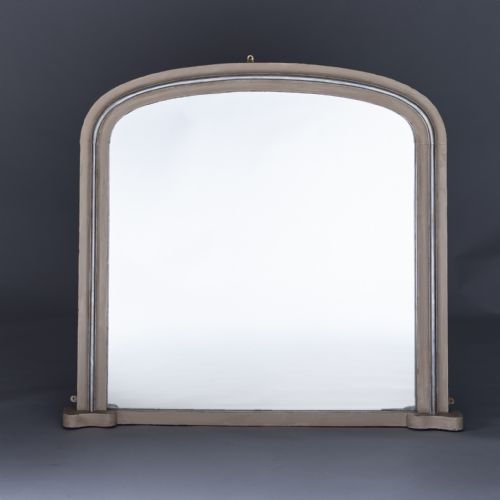
An archtop wall mirror typically takes the form of an overmantel mirror designed to sit above a fireplace, defined by a distinct curved top that softens the rectilinear geometry of a traditional interior. These pieces predominantly date from the Victorian era, spanning the nineteenth and early twentieth centuries, and reflect the classic tastes of English traditional design.
The scale of these mirrors varies from neat proportions suitable for smaller spaces to large formats intended to dominate a principal reception room. Most examples found on this page display the characteristic arched wooden frame configuration that distinguishes an overmantel piece from standard domestic looking glasses.
How they were made
Makers constructed the structural frames from wood, applying gesso and composition ornament to build up the intricate moulded details around the curved top. These decorative elements provided a smooth base for subsequent gilding or painting.
Finishes range from traditional giltwood and silver leaf to painted surfaces, often combined with parcel-silvering to highlight specific areas of the moulded decoration. The mirror glass itself was then fitted securely into the prepared rebate behind the frame.
Archtop Wall Mirror Retail Price Guide 2026
Typical asking prices for archtop wall mirror among the pieces listed under this phrase on Sellingantiques today, from the lower quarter to the upper quarter. They describe what is for sale here now, not the wider market.
What varies in quality
Quality rests upon the crispness of the moulded gesso ornamentation and the depth of the gilding or paint finish applied to the timber frame. Superior examples maintain sharp relief in their decorative scrolls and mouldings without the blurring often seen in secondary castings.
The proportion and balance of the arched top relative to the rectangular body dictate the visual success of the piece. Finer mirrors demonstrate careful joinery and substantial timber construction that supports the considerable weight of the heavy glass plate.
The Archtop Wall Mirror Glossary
- Giltwood
- Timber, typically pine or oak, covered with a thin layer of gold leaf applied over a prepared gesso ground. This traditional finish provides a warm, reflective surface that ages with a soft patina.
- Composition
- A moulded mixture of whiting, resin, glue, and linseed oil pressed into metal moulds while warm. Craftsmen used this pliable material to create ornate frame decorations efficiently.
- Overmantel mirror
- A large looking glass specifically designed to hang on the wall directly above a mantelpiece or fireplace. Their generous proportions were intended to reflect candlelight and brighten nineteenth-century parlours.
- Parcel-silvered
- A decorative treatment where silver leaf is applied to only selected portions of a painted or gilded object. This technique creates subtle tonal contrast across the moulded frame details.
Archtop Wall Mirror: Frequently Asked Questions
How do I hang an archtop wall mirror safely?
These mirrors carry substantial weight due to their timber frames and thick glass plates, requiring secure attachment directly into structural wall studs or masonry.
Professional mirror fixings or heavy-duty brackets designed for large overmantel pieces ensure the weight is distributed properly across the frame.
What is the difference between an overmantel mirror and a standard wall mirror?
Overmantel mirrors are traditionally proportioned to sit above a fireplace mantel, featuring wider bases and curved tops designed to fill vertical wall space.
Standard wall mirrors are typically uniform in scale and intended for general room placement rather than anchoring a specific architectural focal point.
How do I date a Victorian archtop mirror?
Dating relies on examining the construction methods of the wooden frame, the composition of the gesso ornaments, and the backing boards.
Nineteenth-century pieces often display hand-beveled glass, traditional giltwood finishes, and period fixings that distinguish them from later reproductions.
Can these mirrors be placed in dining rooms?
They suit dining rooms exceptionally well, particularly when positioned above a sideboard to reflect light and create a sense of expanded space.
Their traditional English aesthetic pairs naturally with period dining furniture and classic interior wall treatments.