



Archtop Overmantel Mirror
An archtop overmantel mirror brings scale and reflection to a room, anchored by a curved frame designed to sit directly above a fireplace.
Archtop Overmantel Mirror
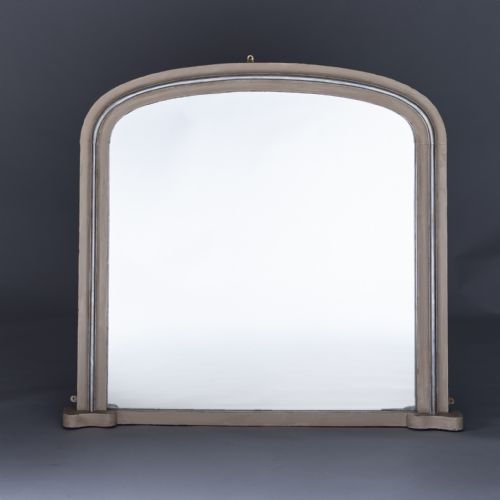
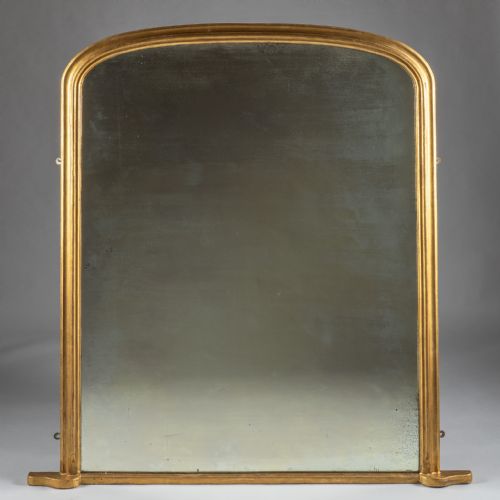
The archtop overmantel mirror is a substantial wall-hanging glass designed specifically to occupy the chimney breast space above a fireplace mantelpiece. Most examples appearing here belong to the Victorian period, spanning the late nineteenth century up to the early twentieth century.
These pieces typically display generous proportions, ranging from neat sizes to large formats suited to principal reception rooms. The defining architectural feature is the curved upper arch, which softens the rigid geometry of traditional fireplace surrounds.
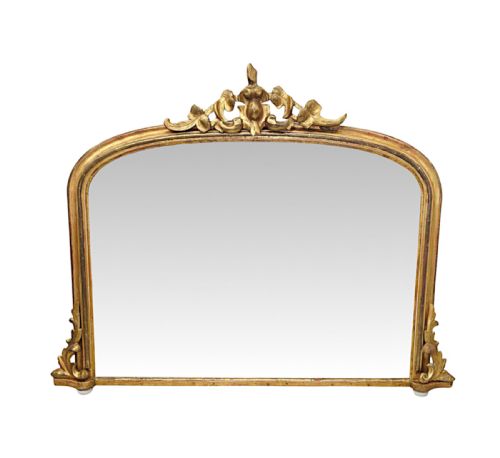
English traditional design dominates the selection, often taking the form of giltwood frames built to command attention in a formal interior. Their primary function remains drawing light into the room while adding a sense of architectural completeness to the chimney breast.
How they were made
Construction relies upon robust wooden foundations shaped to form the characteristic arched profile before receiving decorative surface treatments. Artisans applied gesso and composition mouldings to build up the intricate relief work and ornamental details around the frame.
Finishing techniques varied between traditional water gilding with gold leaf and painted schemes incorporating parcel-silvered elements. The mirror glass itself was set securely within these heavy frames, often backed to protect the silvering over decades of domestic use.
Archtop Overmantel Mirror Retail Price Guide 2026
Typical asking prices for archtop overmantel mirror among the pieces listed under this phrase on Sellingantiques today, from the lower quarter to the upper quarter. They describe what is for sale here now, not the wider market.
Every single mirror here shares an arched head, proving that nineteenth-century makers simply refused to let straight lines have all the fun above the fireplace.
What varies in quality
Quality reveals itself primarily in the crispness of the moulded ornament and the depth of the gilding or painted finish across the frame. Finer examples maintain sharper detail in the composition work and display harmonious proportions between the arch and the rectangular base.
The choice of materials also marks distinctions, with genuine giltwood frames carrying a different visual weight compared to painted or parcel-silvered alternatives. Original mirror glass with authentic foxing or ageing further separates standard decorative pieces from more desirable historical survivals.
The Archtop Overmantel Mirror Glossary
- Overmantel
- A mirror or painting specifically designed to be hung on the wall immediately above a mantelpiece. These pieces are proportioned to sit comfortably within the chimney breast architecture.
- Giltwood
- Timber carved and coated with gold leaf or metal leaf to create a brilliant metallic surface. It forms the primary finish for many traditional Victorian mirrors.
- Gesso
- A plaster-like mixture applied to wood frames as a base for moulding and gilding. It allows craftsmen to create sharp, elaborate relief ornamentation.
- Composition
- A mouldable mixture of whiting, resin, glue and oil pressed into ornamental shapes for picture and mirror frames. It is often used alongside carved wood elements.
- Parcel-silvered
- A decorative finish where parts of an object are highlighted with silver leaf rather than gold. This technique creates a cooler, more restrained metallic contrast against painted surfaces.
Archtop Overmantel Mirror: Frequently Asked Questions
Where should an archtop overmantel mirror be hung?
These mirrors are traditionally positioned directly above a fireplace mantelpiece to reflect light and anchor the decorative scheme of a room.
Because of their substantial size, they require secure fixings into solid wall construction to support the heavy timber and glass frame safely.
How do I identify a Victorian archtop overmantel mirror?
Victorian examples are identified through their characteristic proportions, heavy construction materials, and the presence of gesso mouldings finished in giltwood or paint.
Dates generally range from the mid to late nineteenth century, reflecting the architectural styles popular during that era.
Can these mirrors be placed on the floor instead of hanging?
Many large nineteenth-century examples possess sufficient weight and scale to stand safely on the floor while leaning against a wall.
This placement creates a relaxed, less formal interior look while still utilising the arched frame to draw the eye upward.
What is the difference between giltwood and painted frames?
Giltwood frames feature a gold leaf surface applied over gesso and wood, producing a warm, reflective metallic sheen typical of formal nineteenth-century interiors.
Painted and parcel-silvered versions offer a softer, more muted aesthetic where colour and partial metallic highlights take precedence over total gilding.