
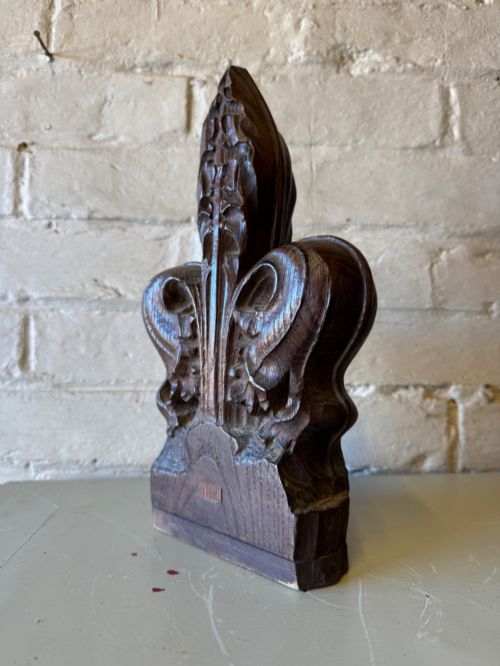
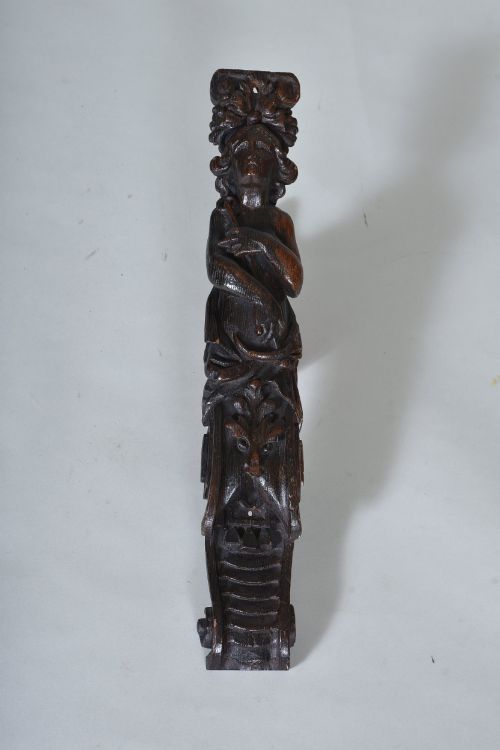
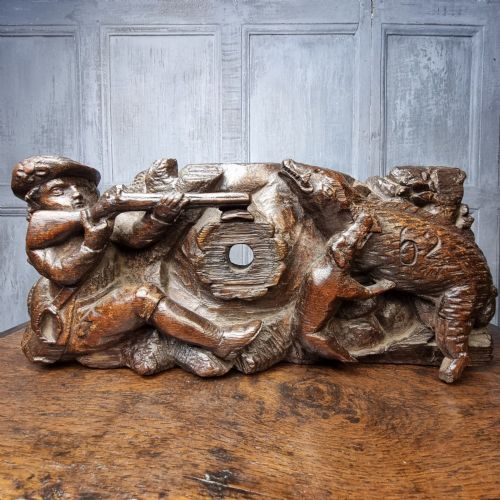

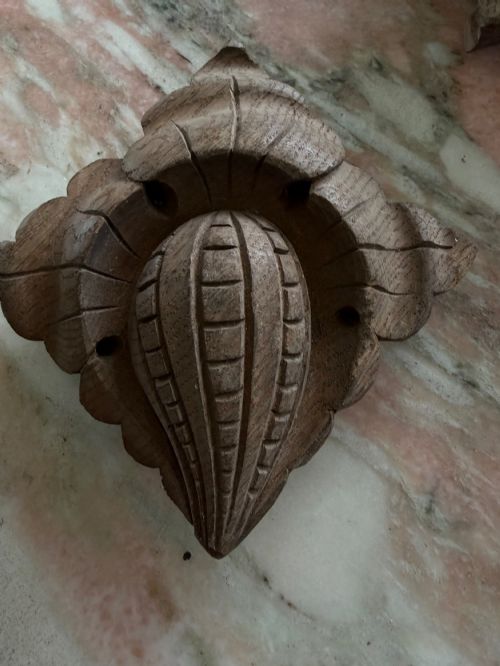
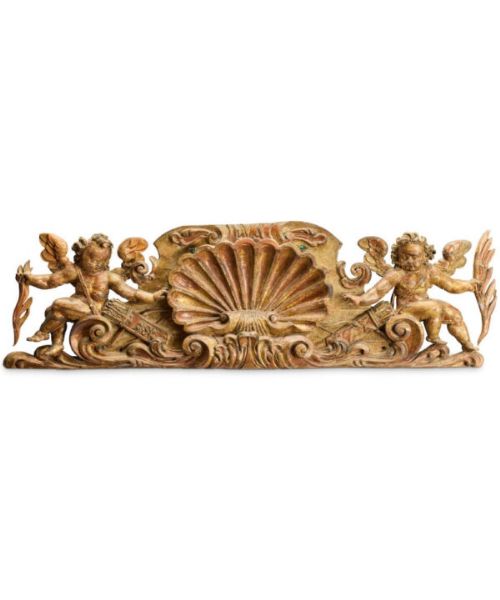


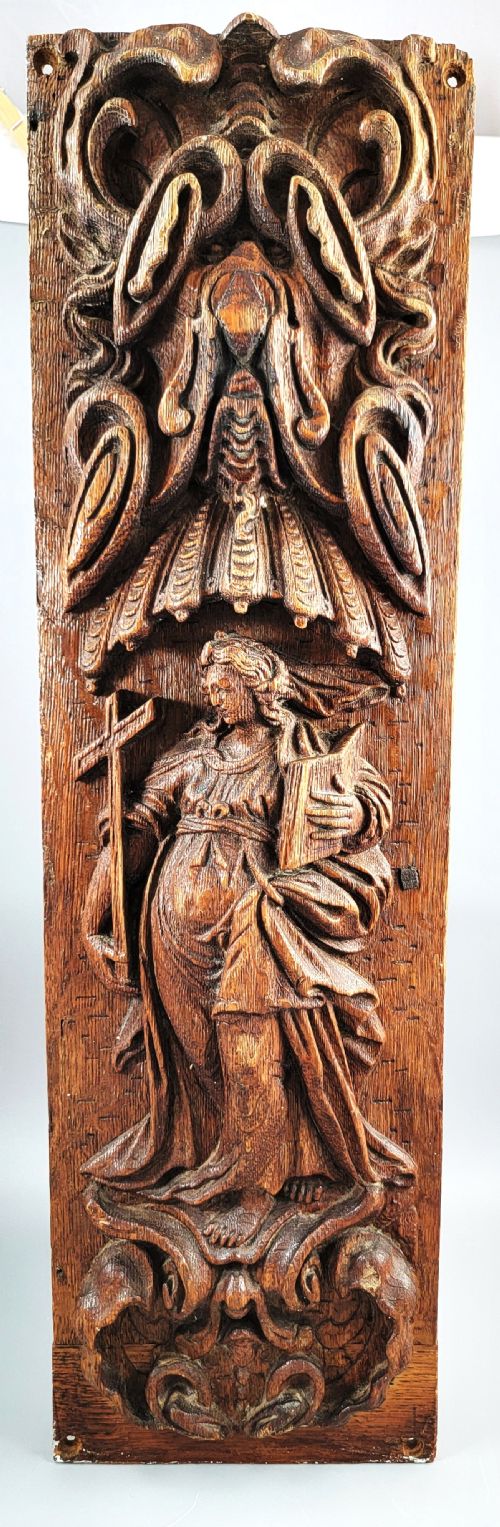


Architectural Timber Fragment
Architectural timber fragment pieces bring centuries of historic craftsmanship and carved detail straight into your home.
Architectural Timber Fragment
An architectural timber fragment represents a rescued portion of a historic building, such as a panel, frieze, or ceiling boss.
The pieces listed here span periods from the medieval era through the sixteenth, seventeenth, and eighteenth centuries, alongside nineteenth-century examples.
How they were made
Carvers shaped these wooden elements by hand using solid hardwoods like oak, walnut, and traditional Indian timber.
Certain examples incorporate surface treatments such as gold leaf, gesso, paint, or parcel gilt highlights over the carved wood.
The listings feature oak, walnut, and stained hardwood materials spanning the sixteenth, seventeenth, eighteenth, and nineteenth centuries.
What varies in quality
Depth of carving and clarity of detail distinguish standard panels from masterworks like caryatids and figural allegories.
The integrity of the original wood surface and the survival of early finishes like gilding or paint elevate a fragment's character.
The Architectural Timber Fragment Glossary
- Caryatid
- A carved architectural figure acting as a support pillar. This term appears in descriptions of sixteenth-century single figures.
- Frieze
- A long, narrow band of sculpture decorating a wall or architectural frame. These frequently appear in seventeenth-century oak examples.
- Ceiling Boss
- A decorative projecting block at the intersection of ribs in a ceiling. These are seen in sixteenth and eighteenth-century formats.
- Pediment
- A triangular or curved gable crowning a classical architectural structure. Examples here feature parcel gilt wood from the eighteenth century.
- Term
- A figure consisting of a head and upper torso transitioning into a tapering pillar. Walnut examples from the sixteenth century demonstrate this form.
Architectural Timber Fragment: Frequently Asked Questions
What is an architectural timber fragment?
An architectural timber fragment is a surviving piece of wooden ornamentation salvaged from historic structures. These include carved panels, friezes, and ceiling bosses.
They offer a direct connection to historical carpentry and sculpture traditions spanning several centuries.
How were these wooden carvings used?
These elements originally decorated the interiors and exteriors of substantial buildings, churches, and palaces. They adorned ceilings, doorways, and wall panels.
Today, collectors mount them as standalone works of art to display historic woodcraft.
How do I date an oak fragment?
Dating relies on stylistic clues, tool marks, and the characteristic grain and patina of aged hardwoods. Jacobean, Baroque, and Medieval motifs help assign pieces to specific centuries.
Comparative analysis with documented regional carvers also assists in establishing age.
How should I display a timber fragment?
These pieces require stable indoor environments away from direct heat sources and dramatic humidity fluctuations. Secure wall mounting ensures heavy oak and walnut carvings remain safe.
Minimal handling preserves any remaining original paint, gesso, or gilding.