




Architectural Terracotta
Architectural terracotta pieces bring durable, moulded earthy character to buildings and gardens across the Victorian and nineteenth-century periods.
Architectural Terracotta
Architectural terracotta encompasses fired clay objects built for structure and ornament, spanning chimney pots, lions, wall brackets and friezes.
The nineteenth century yields most examples here, including Victorian chimney pots and large ornamental garden lions.
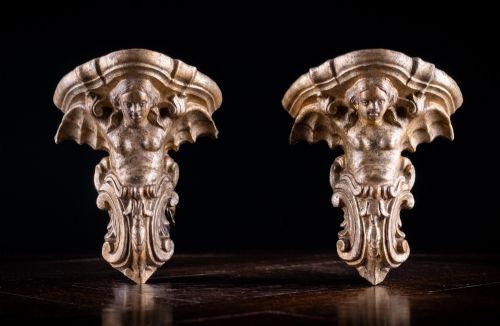
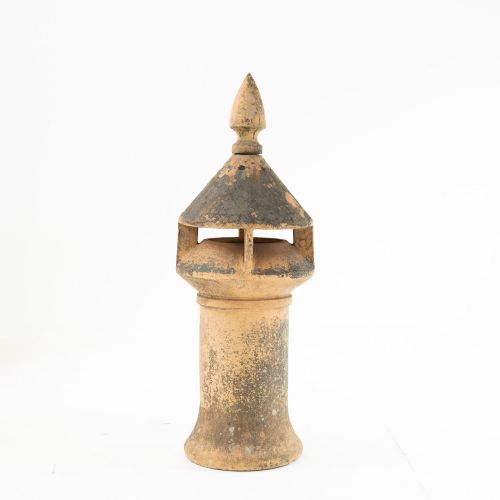
Pieces range from functional salvage like exhaust cowls to decorative elements such as winged siren wall brackets and dancing maidens friezes.
Materials and methods
Items are shaped from fired clay and terracotta, sometimes paired with gilt or painted finishes.
Moulding allows intricate details like masks, feathers and architectural motifs to emerge sharply from the clay body before firing.
Architectural Terracotta Retail Price Guide 2026
Typical asking prices for architectural terracotta among the pieces listed under this phrase on Sellingantiques today, from the lower quarter to the upper quarter. They describe what is for sale here now, not the wider market.
Winged sirens peer from gilt terracotta wall brackets while terracotta lions stand guard over gates.
Assessing quality
Quality rests in the crispness of the moulding and the depth of relief detail across figures and foliage.
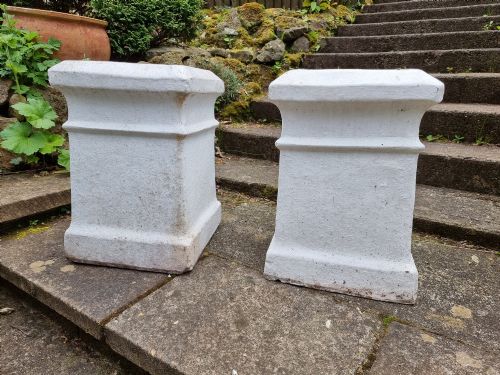
Artisanal skill shows in the balance of large forms like lions and chimney pedestals, where proportions remain convincing from every angle.
C. R. Stevens
The Architectural Terracotta Glossary
- Terracotta
- Fired unglazed clay possessing a characteristic brownish-red hue. It serves structural and decorative roles in buildings and gardens.
- Chimney Pot
- A cylindrical clay structure placed atop a chimney stack to improve draught. Versions range from buff clay to elaborate Victorian designs.
- Wall Bracket
- A projecting architectural support fixed to a vertical surface. Gilt terracotta examples often incorporate sculptural figures.
- Frieze
- A broad horizontal band of sculpted or painted decoration. Terracotta versions depict classical scenes such as dancing maidens.
Architectural Terracotta: Frequently Asked Questions
What is architectural terracotta?
Architectural terracotta comprises fired clay elements built for buildings and gardens, including chimney pots, wall brackets, finials and friezes.
These pieces combine structural utility with ornamental moulded detail, originating primarily in the nineteenth century and the Victorian era.
How were terracotta chimney pots used?
Chimney pots sat atop stacks to improve smoke clearance and protect masonry from weather.
Many examples feature specialised designs like exhaust cowls or pedestals to manage airflow.
Where do terracotta lions go?
Large terracotta lions historically guard gates, walls and grand entrances.
Their substantial weight and moulded presence suit prominent outdoor positions.
How do you identify nineteenth-century pieces?
Nineteenth-century items show traditional clay bodies, hand-finished moulded details and period forms such as Victorian chimney pots and classical friezes.
Makers' marks or specific styling like nineteenth-century Gothic or Neoclassical motifs further clarify dating.