

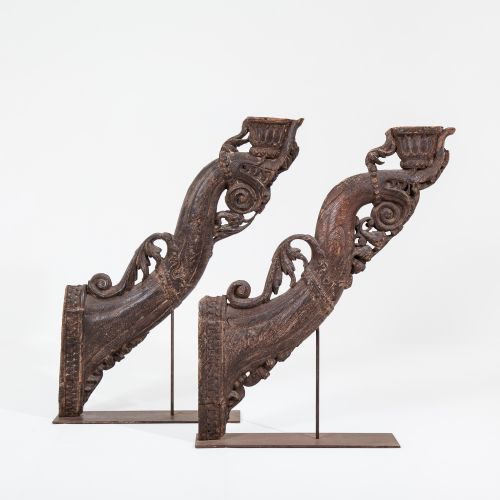


Architectural Salvage Wall Shelf
An architectural salvage wall shelf brings genuine period character and robust function straight into a room.
Architectural Salvage Wall Shelf
When you search for an architectural salvage wall shelf, you encounter sturdy wall brackets, architectural salvage, wall shelves, and overmantels drawn from past centuries. These pieces originate from historic buildings and domestic interiors, offering repurposed utility and distinct decorative presence.
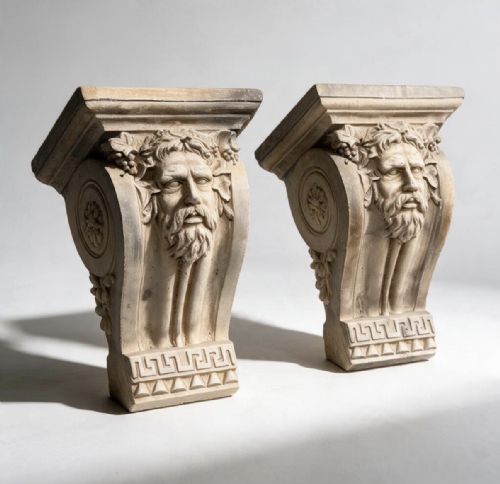
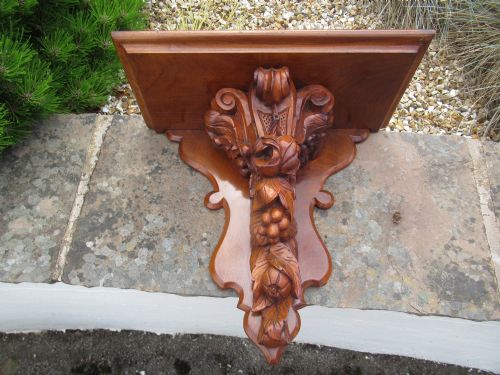
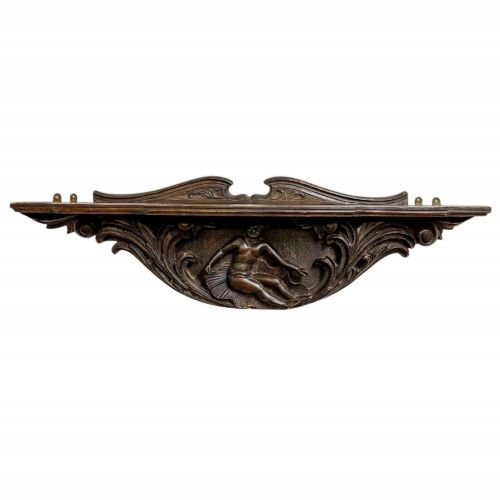
The versions most commonly met on this page span the 18th century, the 19th century, and the early 20th century. Forms range from heavy cast iron horse head bracket shelves and Victorian sink brackets with dragons to carved timber overdoor pediments with shelves and large wall brackets.
Styles represented across the selection include Victorian, Victorian and Gothic, Neoclassical Revival, Victorian Gothic Revival, Georgian, and 18th century Continental. Each object carries the structural design and aesthetic hallmarks of its original architectural context.
Materials and construction methods
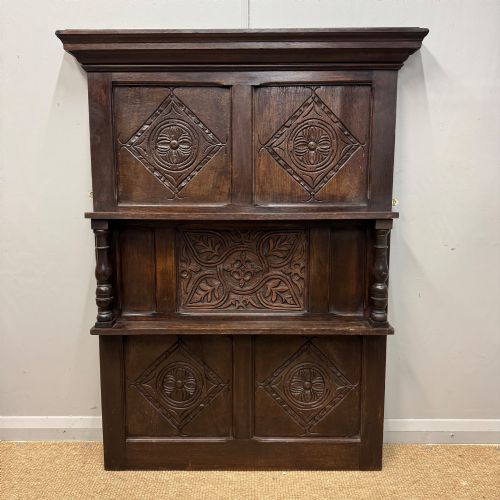
The construction relies heavily on traditional timber working and metal casting, utilising oak, walnut, carved timber, pine, cast iron, and wrought iron. Artisans shaped these robust materials to bear weight while providing intricate decorative detail.
Surface treatments and finer ornament involve paint, gesso, and plaster applied to wood or metal substrates. These finishes accentuate the sculptural quality of corbels, brackets, and pediments.
Architectural Salvage Wall Shelf Retail Price Guide 2026
Typical asking prices for architectural salvage wall shelf among the pieces listed under this phrase on Sellingantiques today, from the lower quarter to the upper quarter. They describe what is for sale here now, not the wider market.
Listings feature items spanning the 18th century, the 19th century, Victorian, and early 20th century periods.
Assessing quality and craftsmanship
Quality in these items is determined by the crispness of the carving or casting and the integrity of the material. Finer examples display deeply undercut timber foliage or sharply defined metalwork that retains its original decorative power.
The distinction between standard utility items and superior pieces often lies in the sophistication of the design, such as figurative elements like dragons or horse heads executed with high artistic skill.
The Architectural Salvage Wall Shelf Glossary
- Corbel
- A structural bracket projecting from a wall to support a weight, often carved in stone, wood, or cast in plaster.
- Pediment
- A triangular or curved architectural gable above a door, window, or overdoor panel, sometimes adapted to incorporate a small shelf.
- Overmantel
- A decorative panel, mirror, or shelf placed directly above a fireplace mantelpiece.
- Gesso
- A plaster-like mixture used as a base for painting or moulding fine ornamental details on wood.
Architectural Salvage Wall Shelf: Frequently Asked Questions
What is an architectural salvage wall shelf?
These items are repurposed structural or decorative elements taken from historic buildings, such as brackets, corbels, and pediments, adapted to function as wall shelves.
They bridge the gap between historic architecture and modern interior display, offering both practical support and strong visual interest.
How were these metal brackets used originally?
Many cast and wrought iron brackets served heavy-duty purposes in period buildings, supporting sinks, masonry, or large architectural overhangs.
Over time, their robust construction and decorative designs made them sought-after supports for wall shelving in domestic settings.
How do I date a wooden wall bracket?
Dating relies on identifying the prevailing style, such as Georgian, Victorian, or Gothic Revival, alongside the specific timber species used like oak or walnut.
Tool marks, construction methods, and the natural ageing of the wood and paint layers also provide clear indicators of period origin.
How should I mount a heavy cast iron shelf?
Because pieces made from cast iron or dense carved timber carry considerable weight, they require secure anchoring directly into wall studs or solid masonry.
Proper weight distribution ensures the historic bracket supports display items safely without straining the plaster or wall surface.