



Architectural Salvage Plate
Architectural salvage plate pieces bring genuine period character to interiors, offering tactile metalwork spanning several centuries.
Architectural Salvage Plate
When you search for architectural salvage plate, you encounter functional hardware and decorative fixtures rescued from older buildings, ranging from Victorian properties to seventeenth-century structures. These items encompass door pushes, rim locks, ceiling roses, letter boxes, and railway sinks.
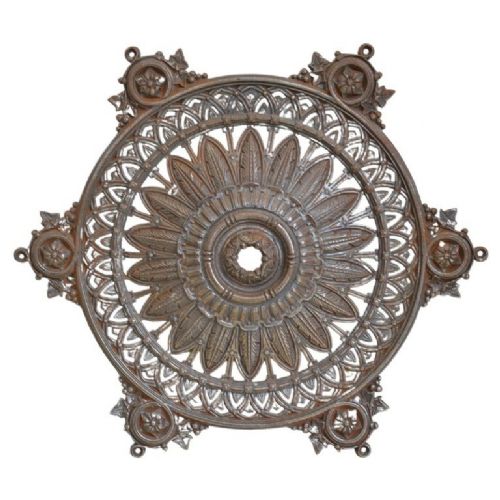
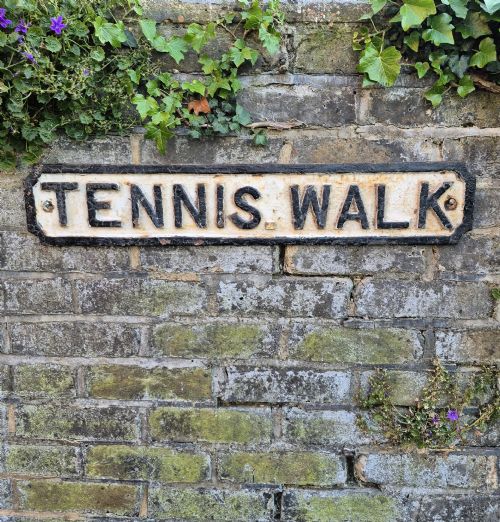
The Victorian era dominates the selection on this page, represented by cast iron ceiling roses, brass air vents, and heavy door knockers featuring ivy leaf designs or classical revival styling. Alongside these domestic fittings, you find earlier seventeenth-century French and English ironwork, alongside early twentieth-century industrial street signs and enamel notices.
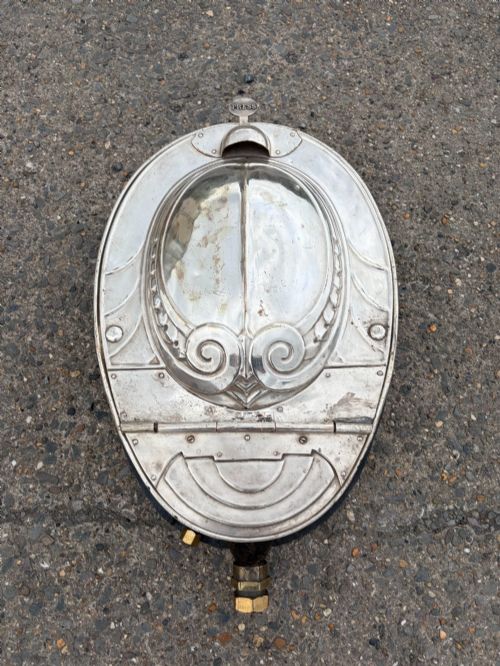
Forms vary from utilitarian railway fittings and servants' bell name plates to ornamental Chinese bronze foo dog door plates and decorative glass ceiling roses. Each piece retains the specific patina of its original architectural context.
Materials and construction
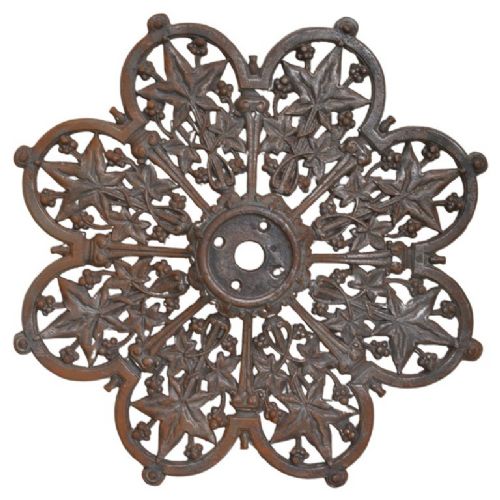
Cast iron and brass form the backbone of these pieces, utilised extensively for Victorian ceiling roses, letter boxes, and door hardware. Founders poured molten metal into intricate moulds to achieve high-relief botanical motifs like ivy leaves and feathers.
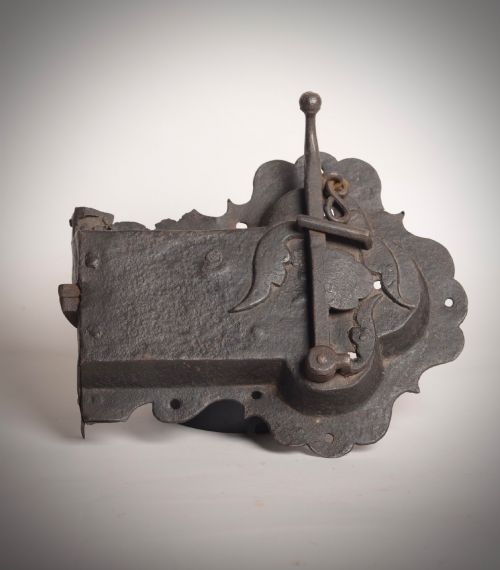
Wrought iron and cast bronze appear in earlier and heavier hardware such as rim locks, twin spring bolt latches, and door handles, shaped through traditional blacksmithing and casting techniques. Enamel surfaces on door pushes and street signs rely on fused vitreous glass over metal substrates for durability.
Architectural Salvage Plate Retail Price Guide 2026
Typical asking prices for architectural salvage plate among the pieces listed under this phrase on Sellingantiques today, from the lower quarter to the upper quarter. They describe what is for sale here now, not the wider market.
Gunton Hall servants likely hurried whenever someone rang the bell names preserved on those six original brass plates.
Judging quality in salvaged metalwork
Quality rests upon the crispness of the casting and the depth of the modelled detail, where superior Victorian and seventeenth-century examples display sharp botanical or geometric relief rather than softened edges. The integrity of the original mechanism in locks, latches, and knockers distinguishes standard utility hardware from finer commissions.
Material thickness and finishing also dictate standard, with heavier cast bronze, substantial brass sections, and well-preserved enamel finishes commanding greater appreciation among collectors. The survival of matching sets, such as door handles paired with their corresponding push plates, elevates the coherence of an installation.
The Architectural Salvage Plate Glossary
- Rim lock
- A mechanical lock designed to be mounted directly onto the surface of a door rather than mortised into the edge. These units appear frequently in seventeenth-century and later vernacular contexts.
- Ceiling rose
- An ornamental decorative disc fixed to a ceiling, usually centred around a light fitting or ventilation point. Victorian examples on this page utilise cast iron, glass, and detailed botanical motifs.
- Vitreous enamel
- A material made by fusing powdered glass to a substrate by firing, creating a glossy and hardwearing surface. This technique appears on early twentieth-century door pushes and street signs.
- Fire back
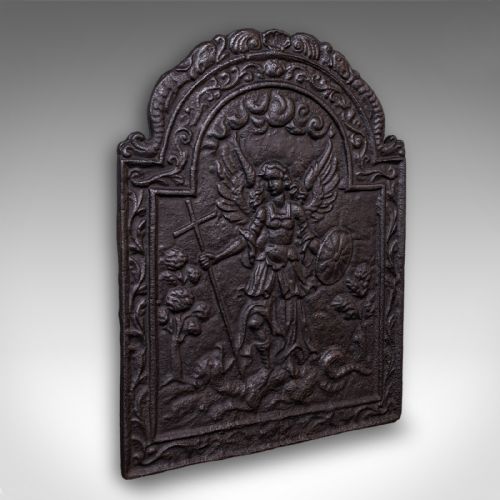
- A heavy cast iron plate placed at the back of an open hearth to reflect heat into the room and protect the masonry. Antique church refectory examples showcase substantial cast relief work.
Architectural Salvage Plate: Frequently Asked Questions
How do I install an antique rim lock?
Surface-mounted rim locks require careful alignment with a matching keep on the door frame to ensure the bolt engages smoothly.
Because older mechanisms tolerate little structural movement, professional fitting preserves both the vintage timber and the original internal springs.
Can I clean brass architectural salvage plates?
Washing with mild soapy water and a soft brush removes accumulated surface dirt without harming the underlying metal.
Harsh chemical polishes strip away aged patination, which many collectors prefer to keep intact on period hardware.
What period do cast iron ceiling roses belong to?
The majority of decorative cast iron ceiling roses available here date from the Victorian era, displaying popular botanical motifs like ivy and feathers.
Earlier buildings tended towards plain plaster work, while late nineteenth-century interiors embraced mass-produced metal castings for decorative ceiling accents.
How do I identify seventeenth-century ironwork?
Seventeenth-century pieces such as rim locks and spring bolt latches exhibit hand-forged components and heavy, utilitarian iron construction.
Surface textures show tool marks and irregularities characteristic of pre-industrial blacksmithing workshops.