




Architectural Salvage Head
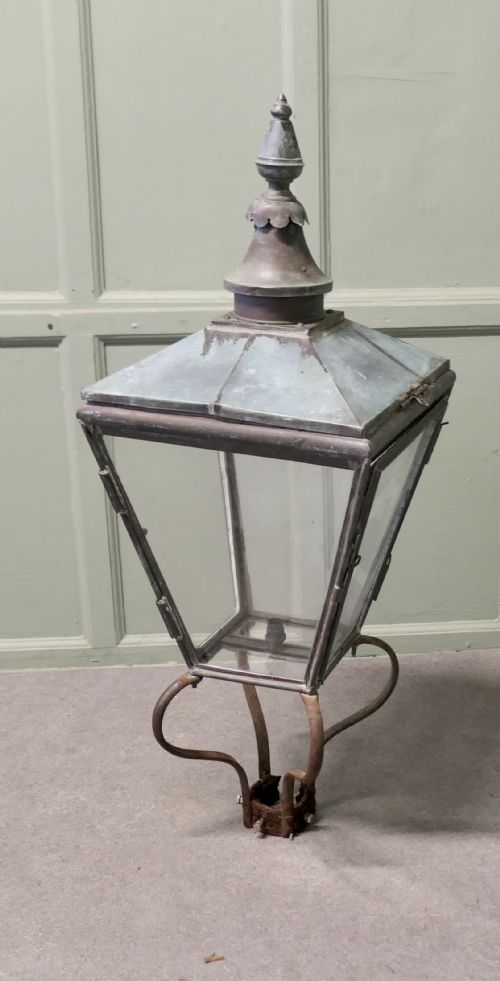
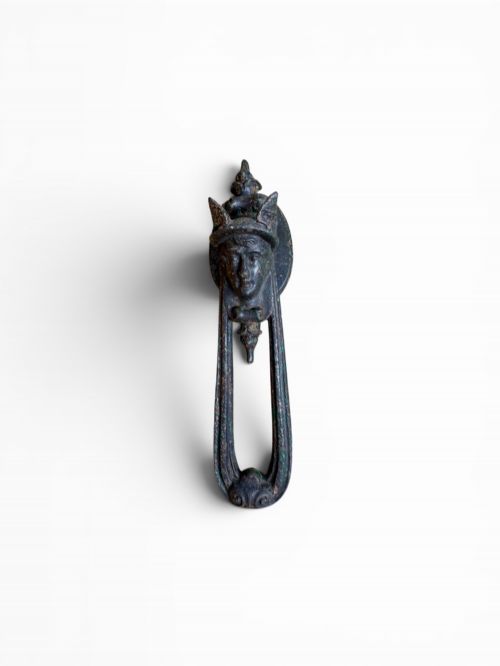
These architectural salvage head pieces include carved wooden corbels, metal door knockers, and street lamps that bring sculptural character to interiors.
Architectural Salvage Head
When you search for architectural salvage head items, you encounter a diverse range of objects spanning from the pre-16th century through to the twentieth century. These pieces encompass carved wooden corbels, poppy head finials, cast iron door knockers depicting mythological figures, and various street lamps.
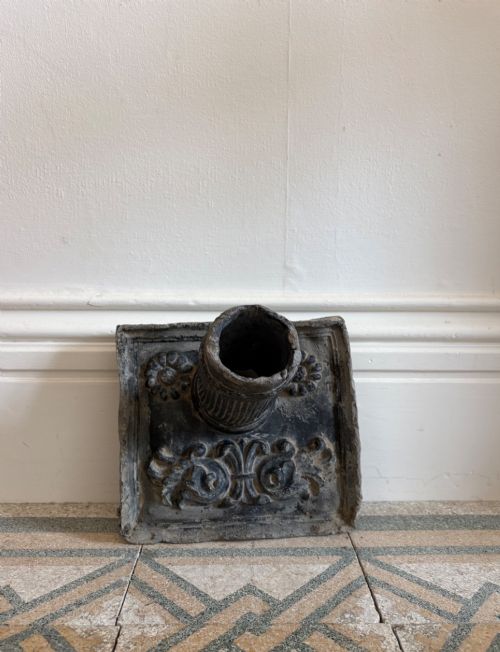
The selection on this page draws heavily from the nineteenth century alongside earlier examples from the seventeenth and eighteenth centuries. Forms range from utilitarian street lamps and water pump hoppers to decorative wall brackets, architectural finials, and animal masks.
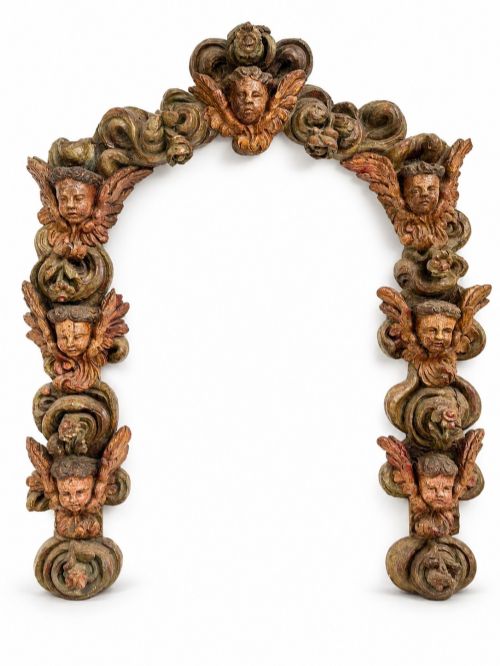
Origins span English, French, German, Indian, and Chinese traditions, reflecting global craftsmanship in materials such as oak, cast iron, copper, and terracotta. Buyers find everything from ecclesiastical carvings of angel heads to horse head hitching posts.
Materials and construction methods
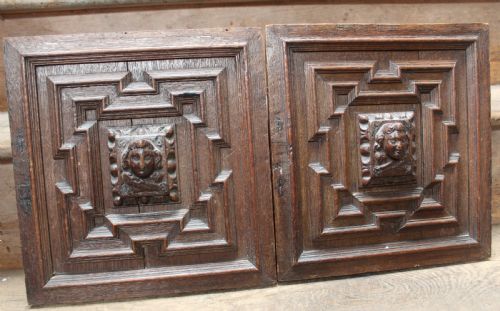
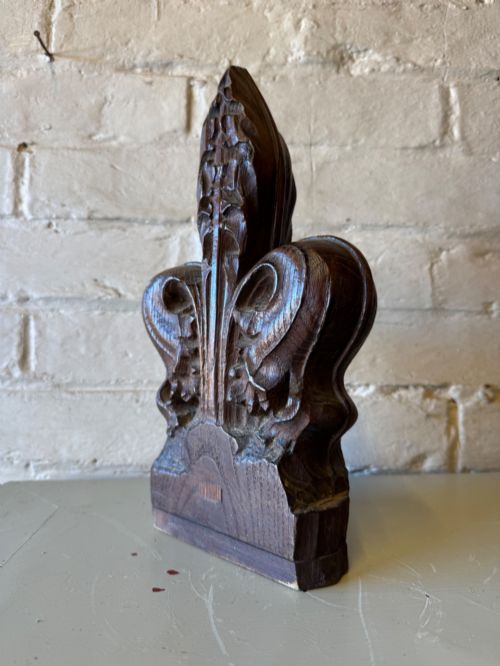
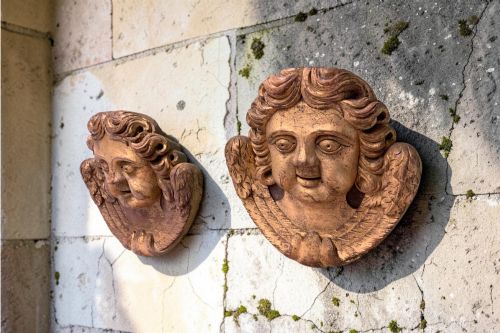
Woodcarving forms a major part of the evidence, utilising dense timbers like oak, walnut, and carved wood to shape poppy head finials, corbels, and cherubs. Artisans shaped these pieces by hand using traditional chisels and gouges, sometimes applying gesso or gold gilt to the surface.
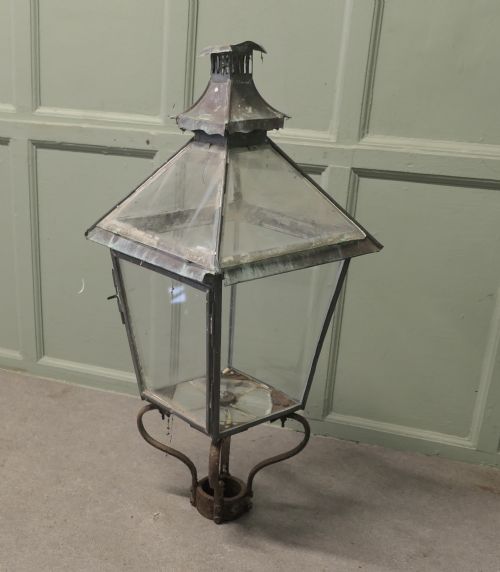
Metalworking techniques are equally prominent, particularly in cast iron and copper. Items such as door knockers, hitching posts, and street lamps rely on foundry casting and sheet metal fabrication, often combining copper with glass components.
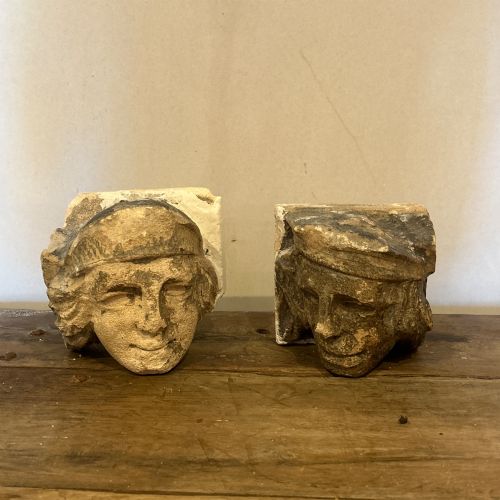
Terracotta and limestone pieces demonstrate ceramic and stone shaping methods. Sculptors moulded or carved these materials to produce architectural elements like lion masks and tent pole tops.
Architectural Salvage Head Retail Price Guide 2026
Typical asking prices for architectural salvage head among the pieces listed under this phrase on Sellingantiques today, from the lower quarter to the upper quarter. They describe what is for sale here now, not the wider market.
The listings combine centuries of craftsmanship, featuring seventeenth-century oak carvings alongside nineteenth-century cast iron door knockers and copper street lamps.
Factors influencing quality
The depth and precision of the carving separate exceptional pieces from simpler utilitarian items. Master carvers executed facial expressions, drapery, and anatomical details with sharp definition, whereas lesser examples show softer, less refined tool work.
Material integrity and the survival of original surface treatments dictate the standing of a piece. Traces of original gilding, paint, or natural patina enhance the visual character, while poorly executed modern repairs diminish the integrity of the object.
The complexity of the form and the fidelity to period styles, such as Medieval Gothic, Baroque, or Victorian Neoclassical, influence how well an item represents its era.
A Foster & Pullen Bradford
The Architectural Salvage Head Glossary
- Corbel
- A structural stone or timber bracket projecting from a wall to support a weight above. Many examples take the form of carved human heads or mythological figures.
- Poppy head
- An ornament used as a finial on the top of a bench end or pew, often carved with foliage or human faces.
- Finial
- A decorative architectural ornament that terminates the top of a peak, gable, or architectural feature.
- Putto
- A representation of a naked chubby male child, often winged, found in Renaissance and later art.
- Gesso
- A plaster mixture used as a base for moulding or painting on wood surfaces.
Architectural Salvage Head: Frequently Asked Questions
What is an architectural salvage head?
An architectural salvage head is a decorative or structural fragment rescued from a building, ranging from carved wooden corbels and poppy head finials to cast iron door knockers and stone figures.
These pieces typically depict human faces, angels, cherubs, or animals and served functions varying from structural support to door furniture and lighting.
How were old street lamps made?
Older street lamps combined formed copper sheets with glass panels, often mounted to cast iron brackets or structural posts.
Makers utilised riveted and soldered metal construction to house gas or early electric light fittings for outdoor use.
How do I date an oak corbel?
Dating an oak corbel involves examining the tool marks left by the carver, the style of the carving such as Medieval Gothic or Baroque, and the natural ageing of the timber.
Earlier pieces often display hand-HEWN surfaces and specific regional design characteristics associated with seventeenth-century joinery.
How can I display architectural heads at home?
Architectural heads and corbels work well mounted on interior walls as sculptural art pieces or placed on shelves as standalone decorative objects.
Heavier items like cast iron brackets or stone corbels require secure wall fixings suited to their weight.