







Architectural Planters
Architectural planters are heavy utilitarian vessels and reclaimed garden features that anchor an outdoor space with genuine age.
Architectural Planters
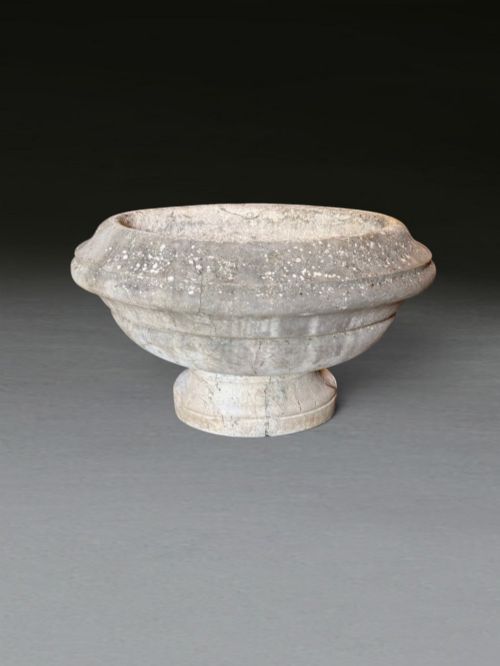
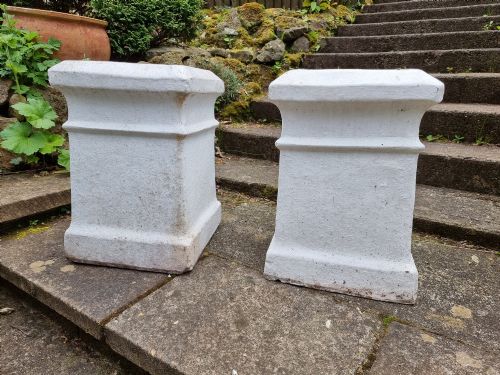
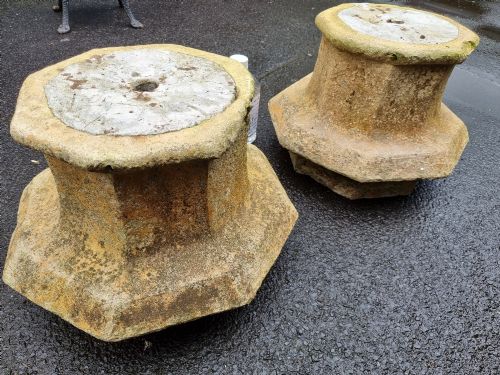
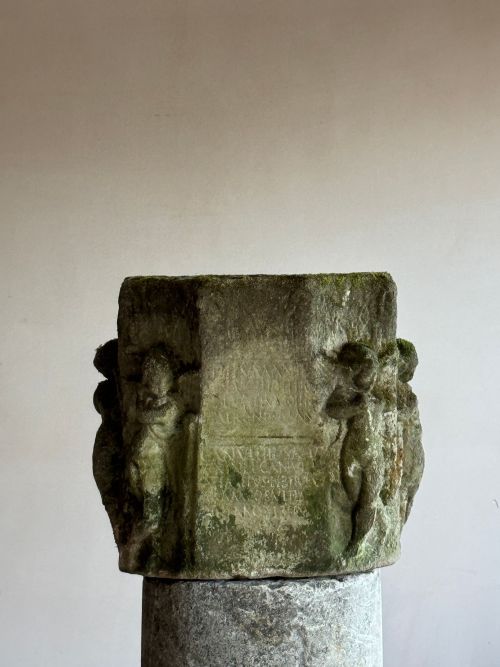
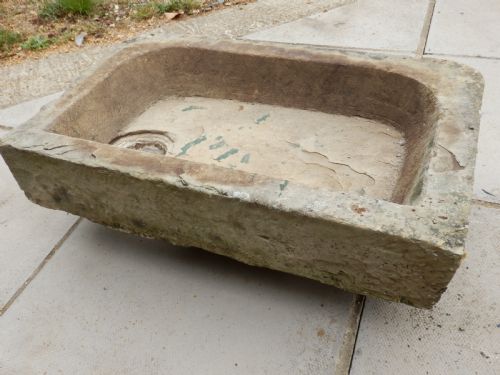
Architectural planters encompass heavy stone troughs, carved baskets, and repurposed industrial elements like chimney pots and mill stone bases that serve as planting vessels. Buyers searching for architectural planters encounter a diverse mix of 18th century, Georgian, Victorian, and Edwardian pieces drawn from domestic, agricultural, and civic sources.
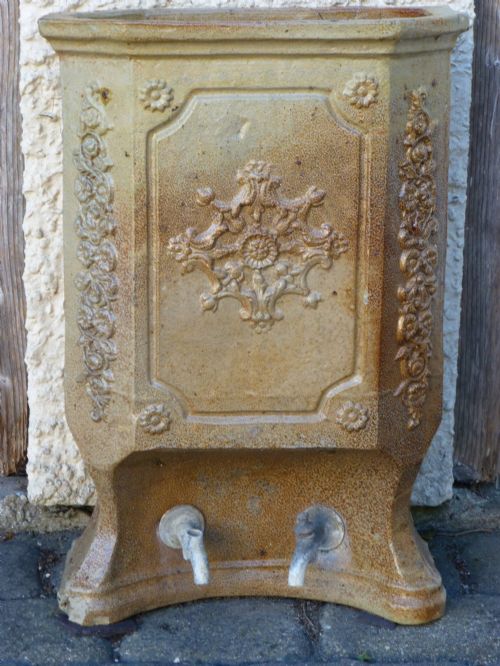
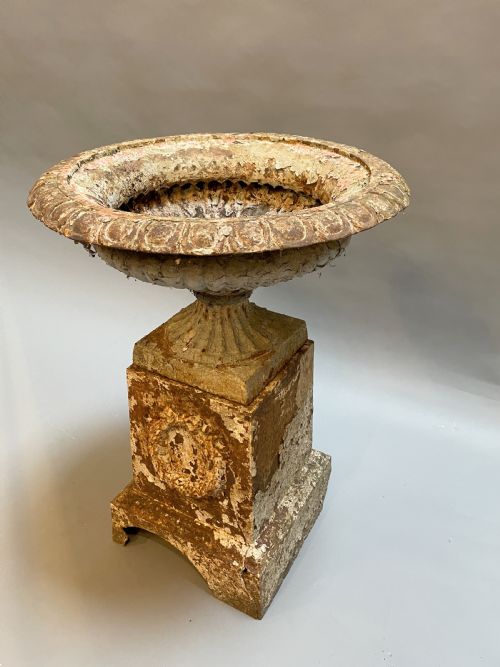
The selection ranges from sturdy cast iron urns and column planters to salt-glazed stoneware filtration vessels and sandstone pig troughs. These forms derive their character from utility, having transitioned from farmyards, ports, and buildings into garden ornaments.
Stoneware, cast iron, and composite stone dominate the offerings, often appearing alongside wrought iron strapwork and limestone elements. Pieces span the Gothic Revival, Neoclassical, French Country, and Rustic Country styles, reflecting the architectural tastes of their respective periods.
How they were made
Masonry vessels are shaped from natural stone, sandstone, limestone, or granite through manual carving and hollowing, producing thick-walled troughs and mortars built to endure. Stoneware and terracotta pieces rely on clay thrown or moulded and subsequently fired, occasionally receiving a salt glaze for increased durability.
Ironwork utilises both casting and forging techniques, yielding robust cast iron urns alongside wrought iron strapwork frames. Metal components are often combined with stone bases or integrated into portico tables and structural supports.
Architectural Planters Retail Price Guide 2026
Typical asking prices for architectural planters among the pieces listed under this phrase on Sellingantiques today, from the lower quarter to the upper quarter. They describe what is for sale here now, not the wider market.
One extraordinary stone planter incorporates reclaimed stone from the Houses of Parliament following bomb damage during the Blitz in World War Two.
What varies in quality
Quality rests in the integrity of the material and the precision of the original hand-carving or casting. Early stone troughs and carved baskets display confident tool marks and balanced proportions that distinguish bespoke stonework from later utility items.
Surface patination dictates visual appeal, with centuries of weathering, lichen growth, and paint remnants adding depth to iron and stone. Cast iron pieces with crisp decorative moulding and intact structural joinery command greater appreciation than worn or pitted examples.
The Architectural Planters Glossary
- Pig trough
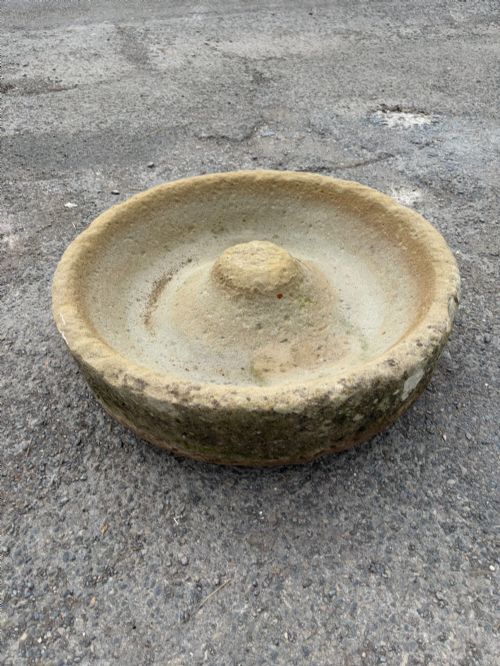
- A long, heavy stone or sandstone vessel originally used for feeding livestock on farms. These now function widely as low garden planters.
- Chimney pot
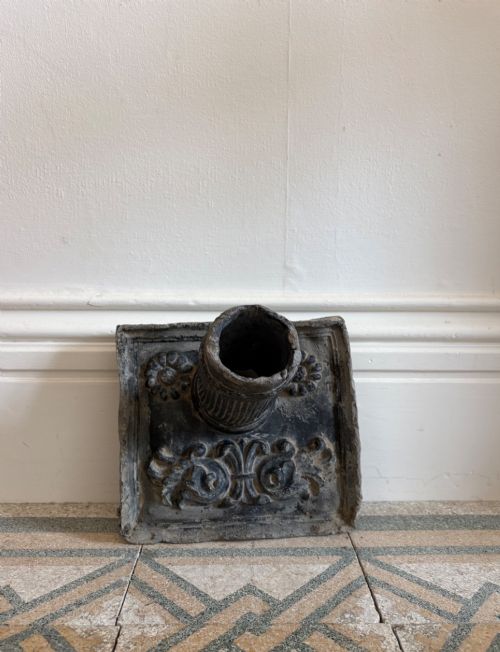
- A cylindrical clay or terracotta structure placed atop a chimney stack to improve draught. Tall examples are frequently repurposed as vertical garden planters.
- Mill stone
- A heavy circular stone disc used in pairs for grinding grain. The central bases and remaining fragments are adapted into stone planters or plinths.
- Strapwork
- Ornamental work consisting of flattened metal bands arranged in scrolled or geometric patterns. Wrought iron versions provide structural support for planting containers.
- Salt glaze
- A glassy, slightly textured coating formed by throwing common salt into the kiln during high-temperature firing. This finish protects stoneware vessels from moisture.
Architectural Planters: Frequently Asked Questions
How do I choose the right size planter?
Consider the scale of your garden space and the weight of the material before selecting a piece. Heavy stone troughs and cast iron urns require permanent placement and stable ground.
Measure your planting requirements carefully, as antique vessels vary greatly in depth and internal capacity. Ensure the chosen site can support substantial weight, especially with granite, limestone, and iron items.
Can I leave stone and iron planters outside in winter?
Most stone, cast iron, and salt-glazed stoneware withstand freezing temperatures due to their dense composition. However, trapped moisture inside unglazed terracotta or narrow pots can cause cracking during hard frosts.
Elevate heavy stone vessels slightly off the ground on pot feet to prevent water retention at the base. Ensure proper drainage holes remain clear so ice does not form inside the planting chamber.
How do I clean an antique stone planter?
Wash the surface gently with water and a soft brush to remove loose soil and accumulated debris. Avoid harsh chemical cleaners or pressure washers that strip away aged patination and soften historical stone.
Allow weathering, moss, and lichen to remain where possible, as these organic layers confirm the age and authenticity of the piece. Regular gentle rinsing preserves both the material and its historic character.
What is the difference between cast iron and stone planters?
Cast iron planters offer thinner walls and intricate decorative relief mouldings produced by pouring molten metal into moulds. They present a dark, metallic surface that often develops an oxide coating over time.
Stone planters rely on subtractive carving from natural rock blocks or moulded composite stone mixtures. They provide massive weight, thick thermal insulation for plant roots, and a porous surface that encourages natural weathering.