



Architectural Lion Carving
An architectural lion carving brings powerful stone, marble, or timber presence into a room, serving as a historic guardian from centuries past.
Architectural Lion Carving
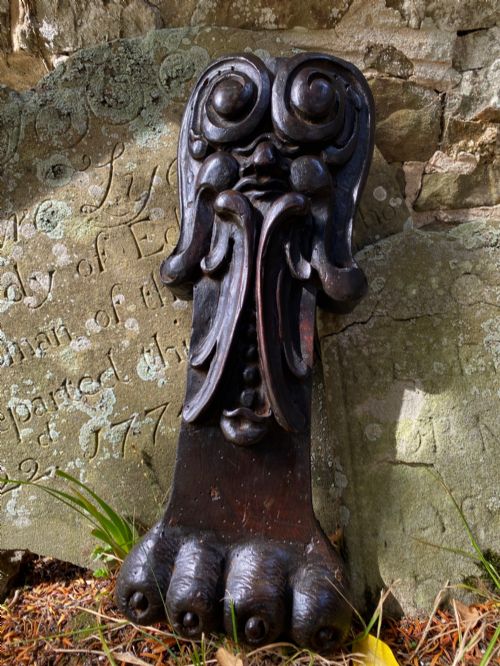
An architectural lion carving represents sculptural salvage sourced from grand buildings, fireplaces, wall plaques, and furniture finials across multiple centuries. These pieces function primarily as decorative wall masks, newel posts, and sculptural panels rather than freestanding statues.
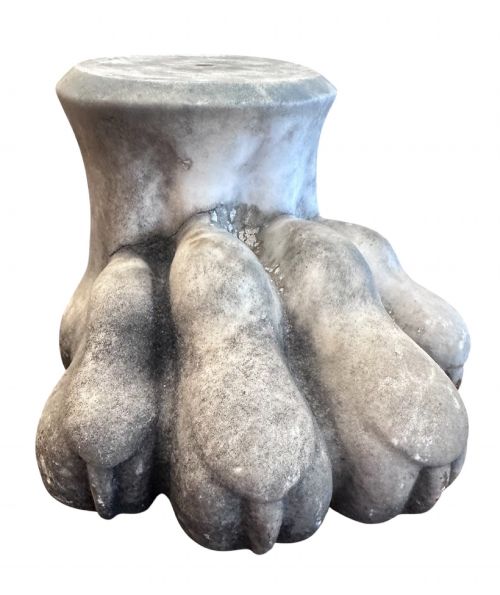
The selections span from walnut wall masks and oak bed posts to Carrara marble fragments and Sienna marble panels. Buyers most frequently encounter nineteenth-century walnut carvings and nineteenth-century Italian marble works among these offerings.
Materials and construction
Carvers shaped these pieces using dense hardwoods such as walnut and oak, employing traditional chisels and gouges to build deep relief and expressive manes. Walnut proved especially popular for intricate interior wall masks and furniture elements due to its receptive grain.
Stonemasons utilised durable hard stones, including Carrara and Sienna marble alongside general stone, carving them with heavy mallets and precision tools. Surface treatments occasionally involved polychrome paint to enhance the sculptural depth of the timber and stone.
Architectural Lion Carving Retail Price Guide 2026
Typical asking prices for architectural lion carving among the pieces listed under this phrase on Sellingantiques today, from the lower quarter to the upper quarter. They describe what is for sale here now, not the wider market.
Object types recorded in the inventory include architectural salvage, wall carvings, fireplaces, and newel post finials.
Judging quality in lion carvings
Quality rests entirely in the anatomical accuracy, depth of relief, and vigour of the carving rather than the mere age of the material. A superior piece displays confident handling of the muscle structure, jaw, and mane, whereas lesser work appears stiff or mechanically flat.
The crispness of the chisel work in timber or the polish and definition in marble distinguishes master carvers from provincial artisans. Superior preservation of original surface detail without excessive later sanding elevates certain examples.
LUIGI FRULLINI
The Architectural Lion Carving Glossary
- Newel post finial
- A decorative ornament positioned at the top of a staircase newel post. These carvings often take the form of lions or heraldic beasts.
- Carrara marble
- A type of white or blue-grey marble quarried in the city of Carrara in Tuscany, Italy. It is prized for its fine grain and historical use in classical sculpture.
- Relief carving
- A sculptural technique where figures project from a background plane of the same material. High relief means the subjects stand out significantly from the backing.
Architectural Lion Carving: Frequently Asked Questions
What is an architectural lion carving?
An architectural lion carving is a sculptural element removed from a historic building, fireplace, or piece of furniture. These items range from walnut wall masks to marble panels depicting heraldic beasts.
Buyers acquire them as decorative wall art or focal points for interior spaces, connecting modern rooms with historical craftsmanship.
Where were these carvings originally placed?
These carvings originally belonged to grand architectural schemes, mounted above fireplaces, upon staircase newel posts, or integrated into wall paneling. Some served as exterior stone ornaments on civic or religious structures.
Over time, many buildings were altered or demolished, allowing these sculptural fragments to enter the decorative salvage market.
How do I hang a heavy stone carving?
Heavy stone and marble panels require professional wall mounting using appropriate metal brackets or anchor systems fixed directly into structural wall studs or masonry. Safety is paramount given the substantial weight of marble and dense timber.
Consult a structural specialist or experienced installer to ensure the weight distribution is safely managed before displaying the piece.
How do I identify the period of a carving?
Period identification relies on examining the tool marks, timber species, stylistic conventions, and the degree of wear. For instance, seventeenth-century pieces often display different joinery and simpler, heavier proportions compared to Victorian revivals.
Comparing the stylistic markers of the carving against documented examples from specific eras helps narrow down the date of creation.