


Architectural Lighting
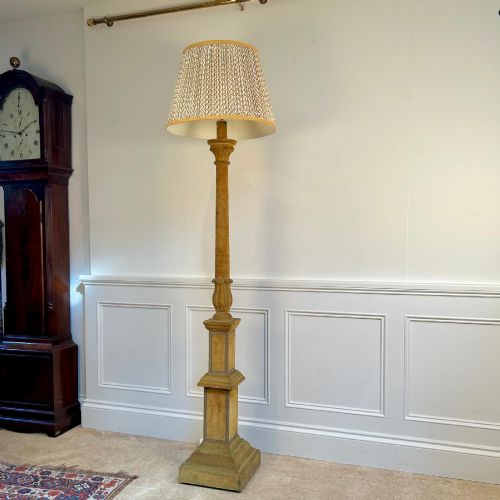
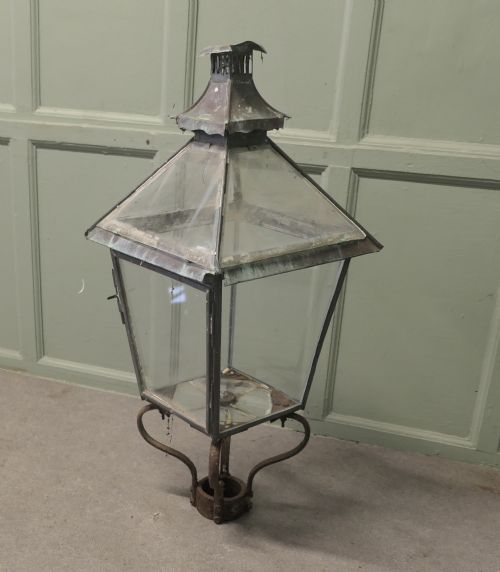
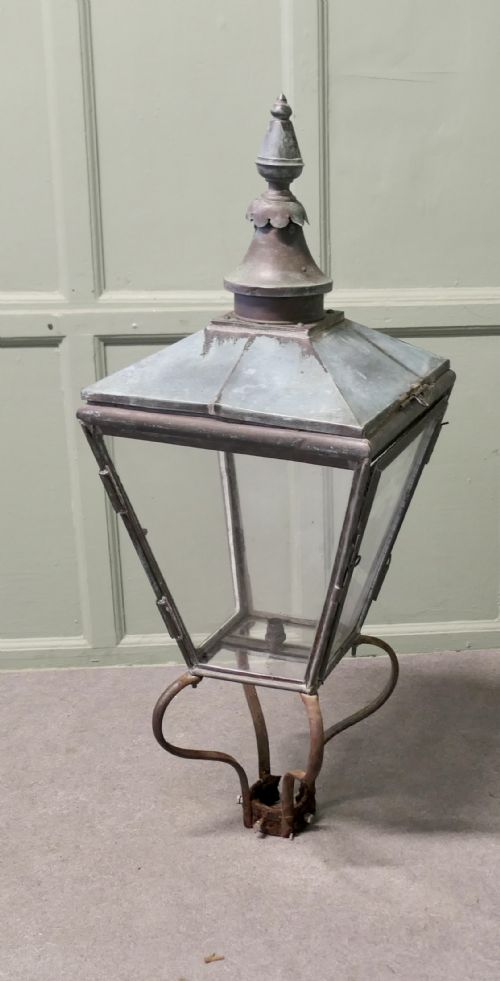
Architectural lighting brings structural presence and period character into a room through street lamps, lanterns, and leaded glass windows.
Architectural Lighting
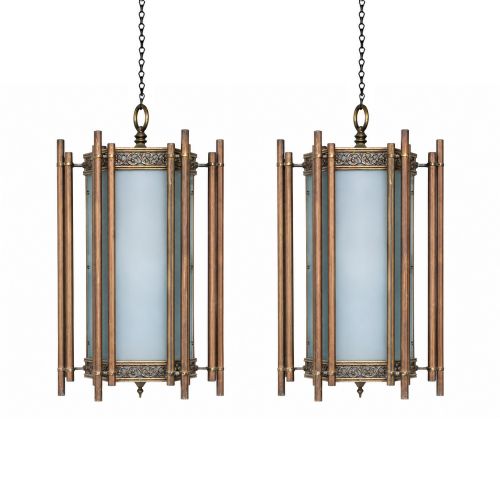
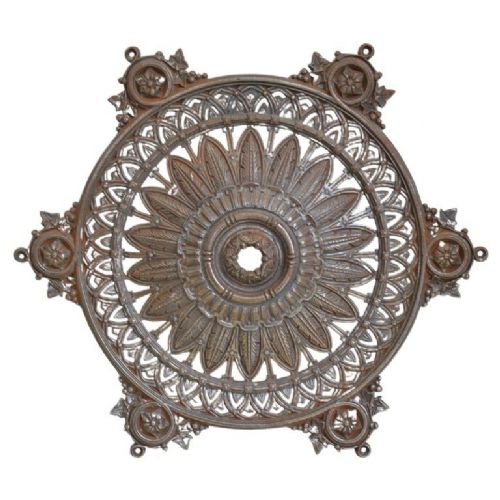
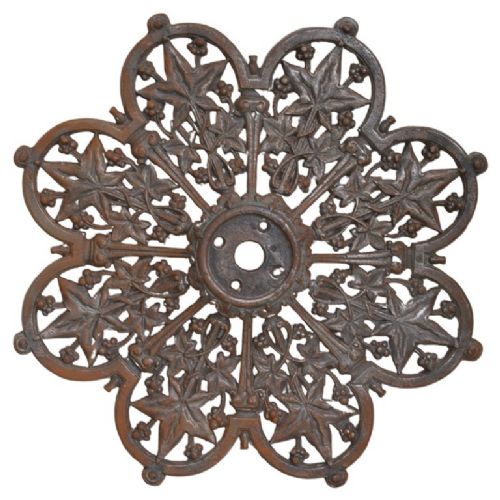
Architectural lighting encompasses substantial fixtures built to illuminate buildings and public thoroughfares, merging structural salvage with functional illumination. Buyers seeking architectural lighting find outdoor lanterns, street lamps, and cast iron ceiling roses designed to anchor a space.
The pieces on this page draw from Victorian, Edwardian, and Art Deco periods, spanning the late nineteenth century through the nineteen-thirties. Street lanterns and leaded glass windows dominate the selection, bringing substantial historic fabric into domestic interiors.
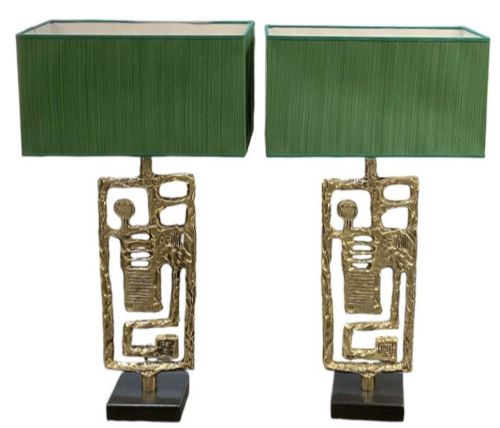
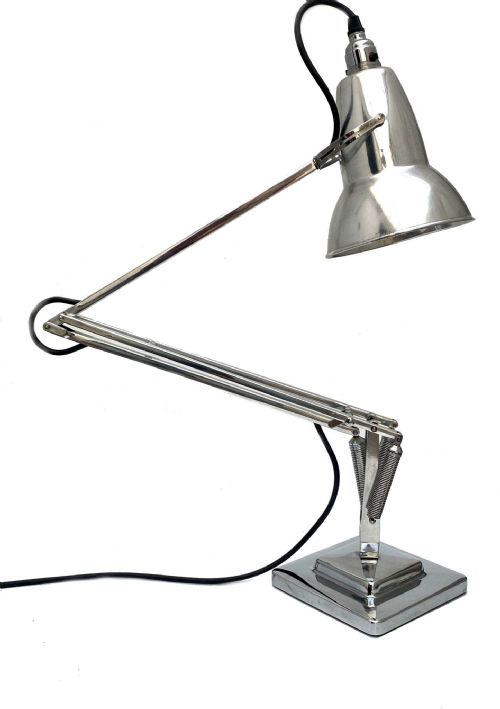
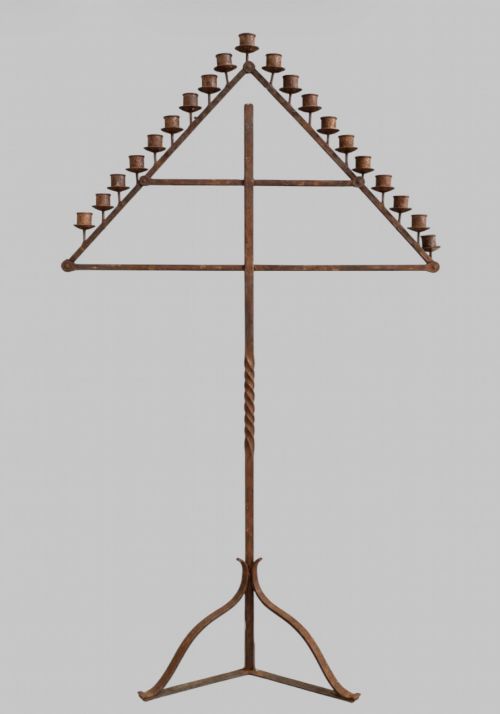
Makers such as Herbert Terry and Foster & Pullen Bradford appear alongside monumental hanging lanterns and copper street lights. These items range from domestic table lamps to monumental sculptural designs and exterior lamp posts.
Materials and Techniques
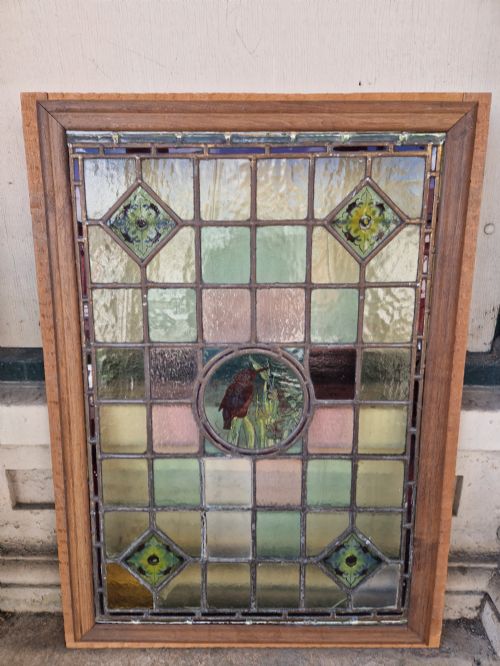
Makers constructed exterior and interior fixtures from durable metals, casting iron for ceiling roses and lamp posts while beating copper for street lanterns. Lead came joined glass panels in windows depicting hand-painted countryside scenes, flowers, and figures.
Wood and brass also appear, utilised in floor lamps and modernist table lamps from the nineteen-thirties. Structural components rely on traditional joinery, metal casting, and hand-soldered lead work to withstand architectural placement.
Architectural Lighting Retail Price Guide 2026
Typical asking prices for architectural lighting among the pieces listed under this phrase on Sellingantiques today, from the lower quarter to the upper quarter. They describe what is for sale here now, not the wider market.
Listings feature periods spanning from the eighteen-eighties through the nineteen-thirties, incorporating brass, cast iron, copper, and leaded glass.
Assessing the Pieces
Quality rests in the integrity of the original construction, whether in the crisp casting of an iron ceiling rose or the hand-painted detail within a leaded glass window. Pieces retaining their original patination and mounts command greater regard from collectors.
The scale and ambition of the work dictate distinction, separating standard utility items from monumental sculptural lamps and signed creations. Completeness in surviving pairs of lanterns or matching street lamps elevates the historical weight of the installation.
Angelo Brotto for Esperia·Herbert Terry·Foster And Pullen Bradford
The Architectural Lighting Glossary
- Ceiling rose
- A decorative circular moulding fixed to the ceiling from which a light fitting hangs. Victorian examples frequently utilise cast iron with leaf designs.
- Leaded glass
- Glass panes held together within lead cames to form windows or panels. These often incorporate hand-painted scenes or bullseyes.
- Lantern
- An enclosed case protecting a light source, typically constructed from copper and glass for street or interior placement.
- Secessionist
- A stylistic movement from around nineteen hundred influencing decorative arts and metalwork. It rejected historicism in favour of geometric forms.
- Patina
- The surface texture and coloration developed through age and exposure. It records the history of use on metals and wood.
Architectural Lighting: Frequently Asked Questions
How do I hang a heavy cast iron ceiling rose?
Cast iron ceiling roses require secure fixing directly into ceiling joists using appropriate metal anchors. Because these pieces carry substantial weight, professional installation ensures structural support.
Once secured, they provide an authentic decorative anchor for pendant lighting in period rooms.
Can antique copper lanterns be used outdoors?
Many copper lanterns originated as street lights or exterior fixtures designed to withstand the weather. Assessing the current condition of the metal and glass housing determines suitability for modern exterior placement.
Rewiring by a qualified electrician brings older fixtures up to safety standards for outdoor use.
How are leaded glass windows best displayed?
Leaded glass windows suit interior wall mounting with backlighting to reveal the painted details and glass textures. They can also be hung in front of existing windows using sturdy brackets.
This placement highlights the hand-painted countryside scenes and amber bullseyes without altering exterior architecture.
What defines Art Deco architectural lighting?
Art Deco lighting from the nineteen-twenties and nineteen-thirties employs geometric lines, chrome, and modernist forms. These fixtures often feature monumental scales designed to command attention in public or large domestic spaces.
They reflect an era of industrial progress and streamlined design.