





Architectural Ironwork
Architectural ironwork brings structural metalwork indoors and out, offering robust security and functional design through historic metal components.
Architectural Ironwork
Architectural ironwork comprises structural and decorative metal elements salvaged from historic buildings, gardens, and estates. Buyers exploring architectural ironwork encounter substantial items ranging from estate gates and balustrade panels to modest door locks and wall brackets.
The selections span multiple eras, featuring pieces from the sixteenth century through the Victorian period and into the early twentieth century. Common forms include garden gates, driveway gates, ceiling roses, sign brackets, and sink brackets mounted on pine doors or used independently.
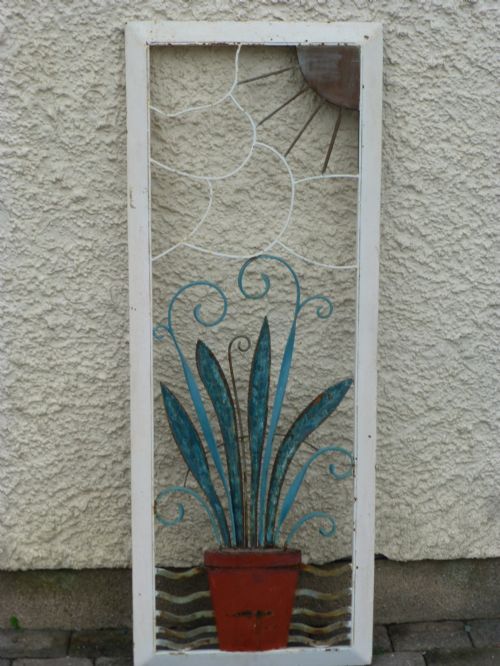
Victorian and nineteenth-century examples dominate the offerings, often displaying decorative details such as trident motifs or dragon embellishments. Alongside these robust security elements, French country pieces and Art Deco screens provide specialised decorative options for period properties.
Materials and construction
The pieces rely primarily on wrought iron and cast iron, sometimes combined within a single gate or panel to balance flexibility with rigidity. Artisans shaped wrought iron through manual hammering while hot, whereas cast iron involved pouring molten metal into moulds to create intricate patterns.
Secondary materials such as steel, bronze, wood, and pine appear in specific items like door screens, locks, and chapel doors. These auxiliary components complement the primary metalwork, providing mounting surfaces or contrasting metallic accents.
Architectural Ironwork Retail Price Guide 2026
Typical asking prices for architectural ironwork among the pieces listed under this phrase on Sellingantiques today, from the lower quarter to the upper quarter. They describe what is for sale here now, not the wider market.
Listings feature items spanning from the sixteenth century through the Victorian era to the nineteen-twenties, using wrought iron, cast iron, bronze, and pine.
Assessing quality and execution
Superior examples demonstrate high-level craftsmanship in the handling of metal, whether through delicate forged strapwork or finely detailed cast ornamentation like dragons and botanical motifs. The skill of the maker dictates the precision of the joinery and the fluidity of decorative scrolls.
Substantial items such as estate gates and heavy chapel doors derive their value from structural integrity alongside decorative merit. Original patination and the survival of secondary materials like pine backings or bronze highlights further distinguish finer pieces from standard utilitarian salvage.
Raymond Subes·Brandt
The Architectural Ironwork Glossary
- Wrought iron
- A tough, malleable form of iron containing silicate slag fibres, traditionally shaped by hand on an anvil. It resists shock and fatigue well, making it ideal for gates and strapwork.
- Strapwork
- Flat bands of metal arranged in geometric or interlaced patterns across doors and gates. This technique provides both structural reinforcement and visual ornament.
- Balustrade panel
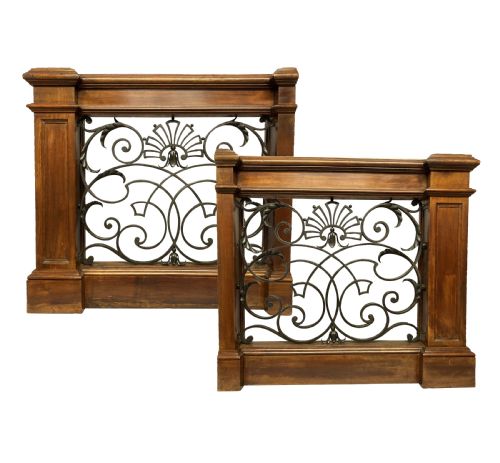
- A flat section of decorative metalwork designed to fill the space between handrails and base rails on a staircase or balcony. These panels often display repeating cast or forged motifs.
Architectural Ironwork: Frequently Asked Questions
What is architectural ironwork?
Architectural ironwork encompasses metal components built for structural support, security, or decoration in buildings and gardens. These items range from large estate gates to small door locks and sink brackets.
Items are typically salvaged from older properties and retain the fabrication techniques of their respective eras, spanning centuries of metalworking tradition.
How do I date these pieces?
Dating relies on stylistic clues, manufacturing methods, and associated materials like old pine doors or specific joinery techniques. Victorian pieces often display distinct gothic or ornate floral influences.
Earlier examples from the sixteenth and seventeenth centuries show hand-forged characteristics typical of pre-industrial blacksmithing, such as twin spring bolt latches.
Where were these pieces used?
Pieces originated in diverse settings, including grand estate entrances, church chapels, interior walls, and domestic gardens. Larger items served as physical barriers, while smaller components supported shelves, signs, or ceilings.
Garden gates and driveway gates marked boundaries, whereas balustrade panels secured stairwells and balconies against falls.
How should I install heavy iron gates?
Heavy wrought iron and cast iron gates require substantial mounting points and solid masonry or timber posts to support their considerable weight. Professional installation ensures proper alignment and weight distribution.
Historic pieces may require custom fixings that respect the original metal without causing damage or accelerated corrosion.