




Arch Top Furniture
Arch top furniture brings architectural curves and height to a room, offering both character and storage through distinctive arched upper lines.
Arch Top Furniture
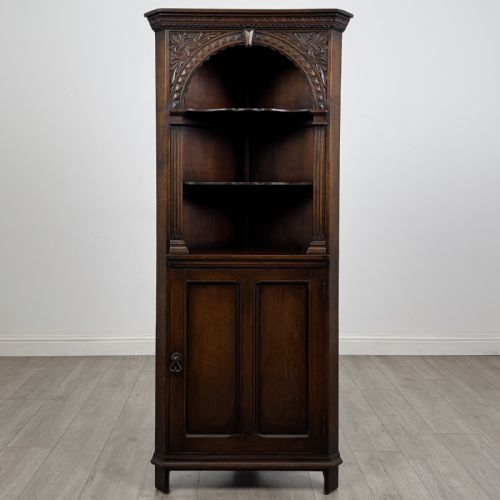
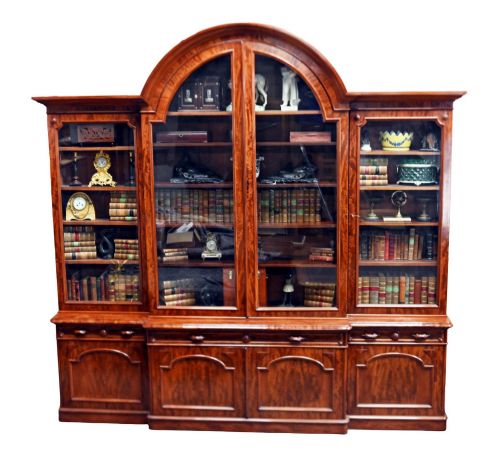
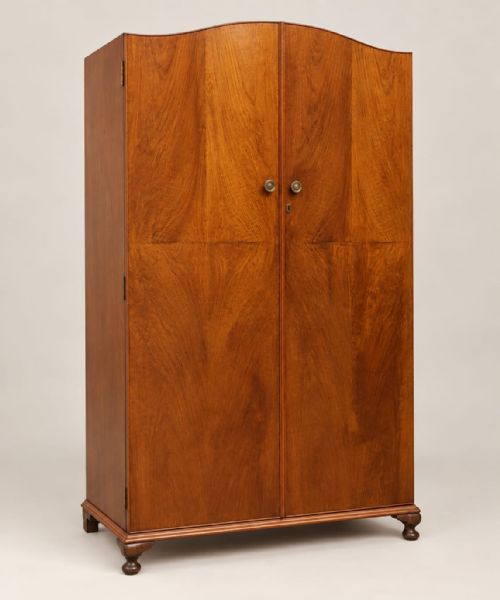
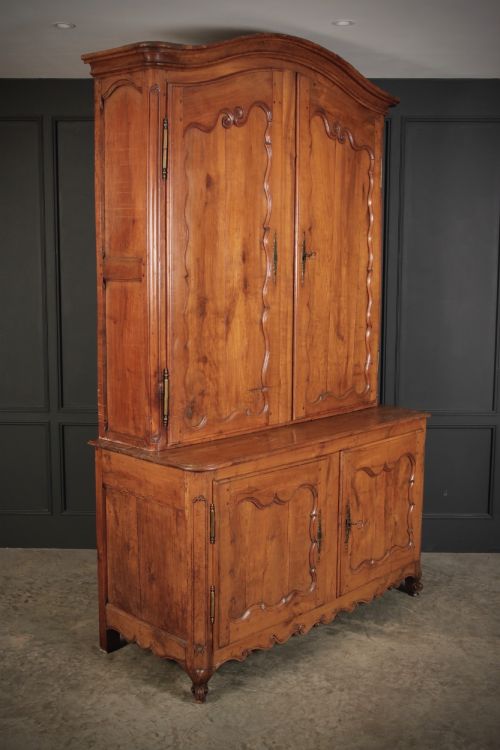
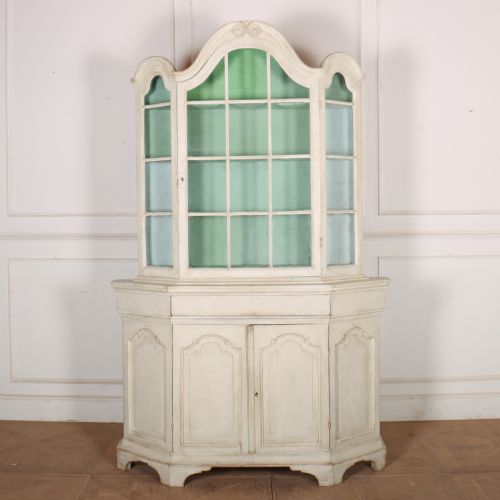
Arch top furniture encompasses pieces defined by curved upper profiles, ranging from large bookcases and wardrobes to occasional tables and corner cabinets. When looking for arch top furniture, you will encounter diverse forms such as tallboys, vitrines, and armoires originating across multiple centuries.
The selection includes substantial storage pieces alongside display cabinets and consoles, reflecting varied construction eras from the eighteenth century through to the 1920s. These items display distinct regional character, varying from Dutch painted finishes to Italian and French Provincial styling.
Bookcases and wardrobes form a prominent part of these listings, often featuring substantial proportions and architectural framing. Smaller occasional tables and corner cabinets also appear, demonstrating the breadth of the arched form across different domestic uses.
How they were made
Construction relies on traditional timber selection, utilising burr walnut veneers, cherry wood, mahogany, and pine to build sturdy carcasses and frames. Cabinetmakers shaped these woods to form the characteristic curved upper profiles seen across the various bookcases and armoires.
Surface treatments range from painted finishes and natural polished grains to intricate glass door installations in vitrines and display cabinets. Metal elements such as brass fixtures often complete the hardware and structural accents of these wooden pieces.
Arch Top Furniture Retail Price Guide 2026
Typical asking prices for arch top furniture among the pieces listed under this phrase on Sellingantiques today, from the lower quarter to the upper quarter. They describe what is for sale here now, not the wider market.
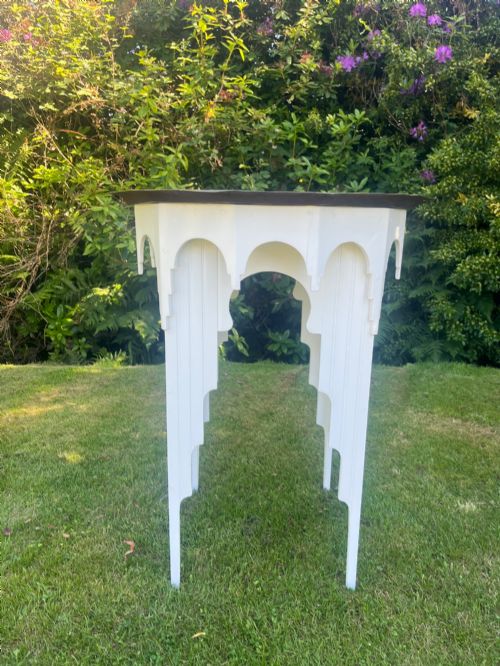
An eighteenth-century Dutch vitrine sits comfortably alongside a surprising Moorish occasional table, proving architectural curves appeal across wildly different cultural tastes.
What varies in quality
Quality in these pieces is dictated by the finesse of the timber selection, such as the grain pattern in burr walnut or the choice of solid cherry and mahogany. Finer examples exhibit meticulous joinery in forming the complex curved upper arches without compromising structural integrity.
The sophistication of the secondary decorative elements, including painted finishes, brass hardware, and glass work, separates standard utility items from exceptional cabinetmaking. Regional stylistic execution also plays a part, distinguishing basic country pieces from elaborate revival designs.
The Arch Top Furniture Glossary
- Breakfront
- A large cabinet or bookcase where the central section projects forward from the flanking sections. This configuration adds depth and visual weight to large library pieces.
- Vitrine
- A glass-fronted cabinet or display case designed for showing porcelain, books, or objects. The glazed doors often follow the curved upper profile of the arch top form.
- Tallboy
- A tall chest of drawers standing on a base, providing substantial vertical storage. In these listings, they appear veneered in burr walnut.
- Armoire
- A large wardrobe or cupboard used for hanging or shelving garments. These large storage pieces frequently incorporate arched cornices into their upper facades.
Arch Top Furniture: Frequently Asked Questions
What is arch top furniture?
Arch top furniture refers to cabinets, bookcases, wardrobes, and tables featuring a distinct curved or arched upper profile. These pieces draw on architectural designs to create height and visual interest in domestic settings.
The category spans multiple centuries and styles, including eighteenth-century cupboards, Victorian bookcases, and 1920s burr walnut tallboys. Each piece uses the curved top to soften the rectangular lines typical of traditional storage furniture.
Where were these pieces used?
Larger items like breakfront bookcases, wardrobes, and armoires were traditionally placed in libraries, bedrooms, and grand reception rooms for storage. Smaller items such as corner cabinets and occasional tables served functional purposes in parlours and hallways.
Display cabinets and vitrines were typically positioned to showcase valued possessions, while console tables with mirrors occupied entrance spaces or living areas.
How do I date an arch top piece?
Dating relies on examining the timber species, construction techniques, and stylistic revival markers present in the piece. Eighteenth-century examples often feature solid cherry, painted wood, or walnut with regional Dutch or German characteristics.
Later nineteenth and twentieth-century items, such as those from the 1920s, frequently showcase burr walnut veneers, distinct Art Deco influences, or mass-produced hardware that helps narrow down the period of manufacture.
How do I care for wooden arch top pieces?
Maintenance involves keeping wooden surfaces away from direct sunlight and sudden temperature shifts to protect veneers and solid timbers like mahogany and pine. Regular dusting with a soft, dry cloth preserves the polished finish without building up residue.
Glass panels in vitrines and bookcases benefit from standard glass cleaner applied to a cloth rather than the wood, ensuring the surrounding frame remains untouched by moisture.