



Apothecary Shop Jar
These apothecary shop jar examples bring authentic nineteenth-century dispensary utility into modern interiors through tactile glass and ceramic forms.
Apothecary Shop Jar
An apothecary shop jar serves as a functional container originating from nineteenth-century dispensaries and pharmacies, designed to hold medicinal ingredients, dry drugs, and chemical preparations. These vessels represent the practical side of historical medical storage rather than ornamental porcelain, though their visual presence remains striking today.
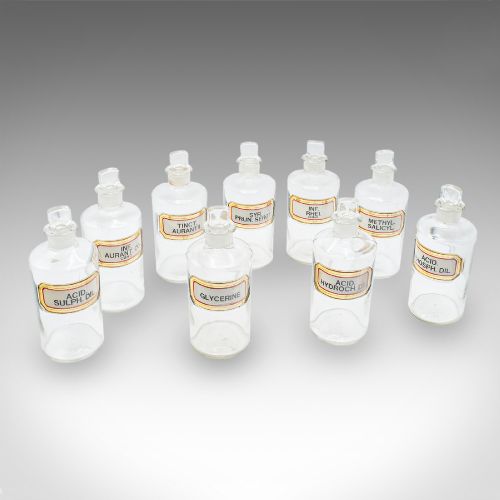
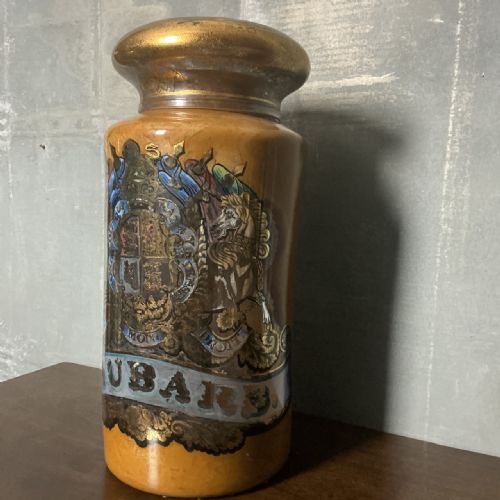
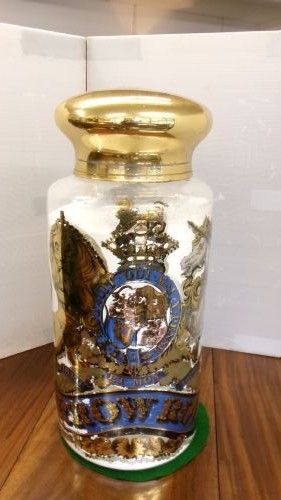
The versions most commonly met on this page span the Victorian era, nineteenth-century French workshops, and the transition into nineteen hundred. They appear as large display jars with matching covers, chemists' bottles, and specific labelled containers intended for substances like arrowroot and gelatine.
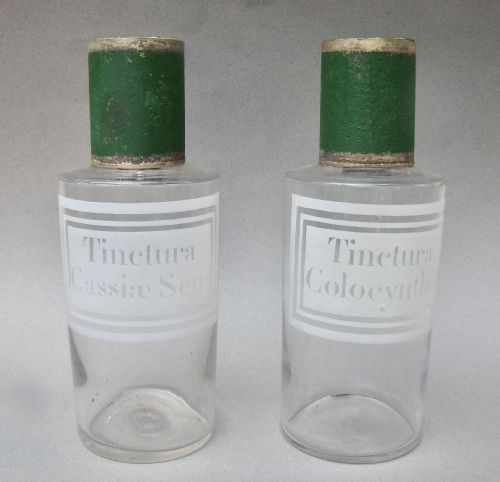
Materials divide broadly between clear glass, coloured glass such as Bristol blue and green, mercury glass, and boxwood containers. Forms range from monumental display pieces designed for shop windows to smaller shelf bottles that once lined timber apothecary drawers.
Materials and construction
Makers utilised blown and moulded glass techniques to create the heavy bodies required for pharmaceutical storage, frequently finishing them with etched decoration or applied enamel labels. Clear, green, and Bristol blue glass dominate the inventory, shaped to withstand daily handling in busy dispensaries.
Boxwood forms provide a distinct alternative to glass, turned on a lathe to create tight-fitting containers for dry drugs and powders. Additional detailing includes gold leaf accents and paint applied to identify contents, alongside brass components where fitted.
Apothecary Shop Jar Retail Price Guide 2026
Typical asking prices for apothecary shop jar among the pieces listed under this phrase on Sellingantiques today, from the lower quarter to the upper quarter. They describe what is for sale here now, not the wider market.
Some nineteenth-century pharmacy bottles specifically stored gelatine, proving that Victorian chemists took their dessert preparation just as seriously as their medicine.
What separates the fine examples
Quality rests upon the clarity and weight of the glass, the crispness of any etched or enamelled labelling, and the survival of the original matching cover. Pieces featuring distinct contents markers or unusual colouration show greater refinement than standard utility containers.
The integrity of the material dictates overall distinction, where heavy-walled vessels and undamaged turned wood exhibit superior original craftsmanship. Complete sets of matching jars also hold greater visual coherence compared to isolated single bottles.
The Apothecary Shop Jar Glossary
- Bristol blue glass
- A deep cobalt glass produced in Bristol during the nineteenth century, frequently utilised for light-sensitive pharmaceutical preparations. It protected active ingredients from degrading ultraviolet light.
- Mercury glass
- A double-walled blown glass filled with a silvered liquid solution between the layers, creating a reflective mirror finish. This technique offered a decorative appearance distinct from standard clear vessels.
- Boxwood
- A dense, pale hardwood turned on a lathe to create smooth, durable containers for dry pharmacy goods. Its tight grain prevented moisture absorption.
- Arrowroot
- A starch derived from tropical plants, commonly stored in large pharmacy display jars. Jars often bore specific painted or etched labels naming this culinary and medicinal powder.
- Etched glass
- A technique where acid or abrasive tools cut designs into the surface of the vessel. Apothecary examples utilised this method for permanent identification of contents.
Apothecary Shop Jar: Frequently Asked Questions
What did apothecary shop jars hold?
These vessels contained dried herbs, chemical compounds, ointments, and medicinal powders used by nineteenth-century chemists and pharmacists in daily dispensing.
Larger display pieces held popular remedies like arrowroot, while smaller shelf bottles stored specific active ingredients.
Are the glass covers original to the jars?
Many surviving display jars and pharmacy bottles retain their matching original covers, which were blown or ground to fit specific neck openings.
Because covers were easily misplaced or broken during active use, finding a piece with its correct matching lid remains a notable detail.
How do you date nineteenth century pharmacy bottles?
Dating relies on manufacturing characteristics such as pontil marks on the base, mouth-blown glass irregularities, and the style of the painted or etched labels.
Victorian examples frequently display specific stylistic traits in their typography and colour choices, particularly in blue and green glass varieties.
Where were these glass and wood jars used?
They originated in nineteenth-century apothecary shops, dispensaries, and chemists' premises across Britain and France.
Displayed on timber shelving or in front windows, they identified the professional trade and stored the practitioner's stock.
How should I clean antique apothecary glass?
Careful dusting with a soft cloth preserves the fragile nineteenth-century painted or enamelled surfaces found on many of these bottles.
Immersive washing is generally discouraged if original labels or gold leaf details remain intact on the exterior.