

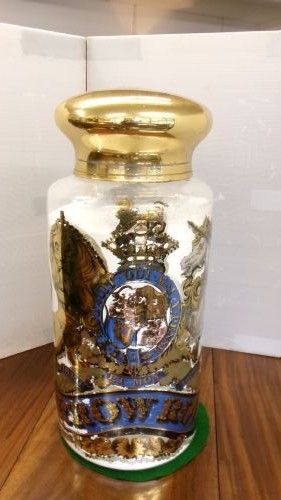


Apothecary Shop Display
These apothecary shop display pieces bring tactile, historic utility into a room, offering genuine storage alongside striking period presence.
Apothecary Shop Display
An apothecary shop display encompasses specialised mercantile furnishings and vessels originating from nineteenth and early twentieth-century pharmacies and commercial interiors. When searching for an apothecary shop display, buyers typically encounter robust storage solutions designed for medicines and goods, ranging from expansive multi-drawer shop fittings to countertop display cabinets and tall glass jars.
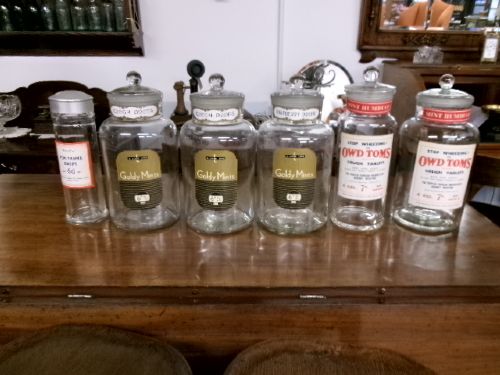
The material records on this page heavily feature nineteenth-century and Victorian origins, alongside Edwardian and 1930s commercial examples. Common manifestations include large glass carboys, lidded glass jars labeled for contents like arrowroot or gelatine, and substantial timber furniture originally utilised in chemist shops.
Beyond vessels, the category includes specialised fixtures such as mahogany shop counters, haberdashery cabinets, and painted pine shop fittings. These items reflect the functional necessities of historical apothecaries, bridging the gap between practical storage and prominent retail presentation.
Materials and construction methods
Cabinetry within this selection relies heavily on hardwoods and softwoods, utilising mahogany, pine, and polished wood surfaces. Many pieces exhibit utilitarian construction designed to withstand heavy daily commercial use in period pharmacies and shops.
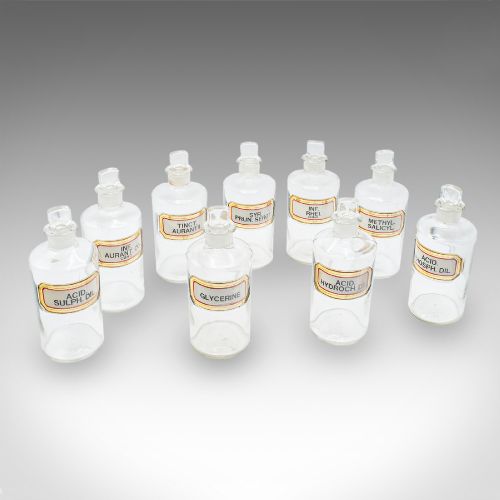
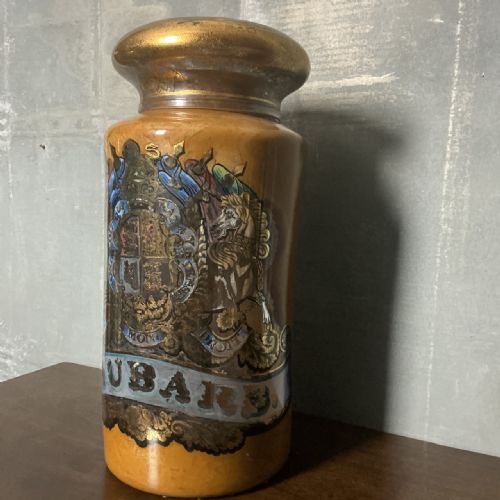
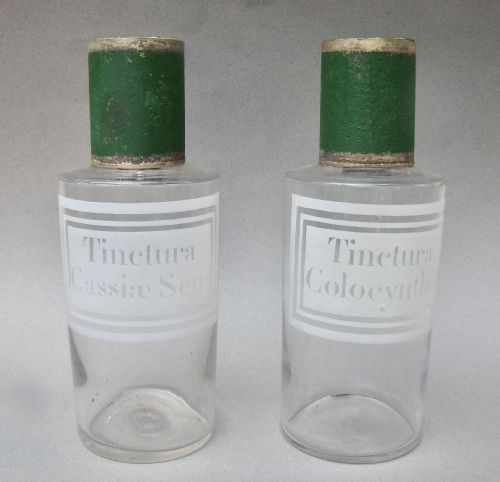
Glass forms a central pillar of the category, seen in blown and etched apothecary jars, covers, and large carboys. Detail work incorporates gold leaf, brass hardware, enamel labeling, and original or applied paint finishes.
Apothecary Shop Display Retail Price Guide 2026
Typical asking prices for apothecary shop display among the pieces listed under this phrase on Sellingantiques today, from the lower quarter to the upper quarter. They describe what is for sale here now, not the wider market.
One fifty-drawer pine shop fitting stands ready for fifty distinct categories of small curiosities.
Assessing quality in shop displays
Quality in these pieces is dictated by the integrity of original materials and the presence of authentic mercantile markings, such as etched glass lettering or designated pharmacy titles on mahogany counters. Superior examples retain their original painted surfaces, gold leaf accents, and functional brass fittings without extensive modern intervention.
The scale and complexity of the construction also separate standard utility items from finer showroom pieces, visible in fifty-drawer pine shop fittings or fully glazed haberdashery bookcases. The clarity and thickness of period glass vessels, alongside undamaged matching covers, determine the desirability of individual jars and carboys.
The Apothecary Shop Display Glossary
- Carboy
- A large glass vessel with a narrow neck, historically used in pharmacies to hold liquids and often placed in shop windows to attract custom. These substantial glass containers frequently feature blown seams and heavy bases.
- Shop fitting
- Custom or modular furniture built specifically for commercial retail environments. In this selection, these include large multi-drawer pine units and fitted counters.
- Haberdashery cabinet
- A form of multi-drawer storage furniture originally used for selling small sewing goods and accessories. Their numerous shallow drawers make them highly sought after for modern domestic organisation.
- Gold leaf
- Gold beaten into extremely thin sheets and applied to surfaces for decorative lettering or detailing. It appears on signage and cabinetry to highlight apothecary names and mercantile branding.
- Shop counter
- A substantial retail table often incorporating glass display sections and timber storage drawers behind. These pieces formed the primary point of transaction and customer interaction in Victorian and Edwardian pharmacies.
Apothecary Shop Display: Frequently Asked Questions
What were apothecary jars used for?
Apothecary jars held dry drugs, herbs, chemicals, and medicinal preparations in nineteenth-century pharmacies. Their heavy glass covers protected contents from moisture and contamination while allowing customers and dispensers to view the contents.
Larger jars often featured etched labels or painted titles denoting specific remedies like arrowroot or gelatine. Today, they serve primarily as decorative storage or standalone sculptural objects.
How do I date a shop display cabinet?
Dating relies on timber selection, construction techniques, and stylistic markers associated with Victorian, Edwardian, or 1930s commercial design. Earlier nineteenth-century pieces often feature hand-cut dovetails and heavy mahogany or pine construction, while later twentieth-century items show streamlined Art Deco influences.
Original painted finishes, brass hardware, and merchant lettering provide additional clues to the exact manufacturing era. Comparing the piece against documented shop fittings helps narrow down the decade of production.
Can I use these cabinets in a modern kitchen?
These cabinets integrate well into modern domestic spaces, offering deep drawers and glass-fronted shelving suited for tableware, dry goods, or collections. Their robust mercantile construction ensures they handle everyday use effectively.
Placing timber shop counters or multi-drawer pine fittings in a kitchen or living area brings functional storage with distinct historical character. Care should be taken to protect antique wood finishes from excessive moisture and heat.
How do I clean antique glass jars?
Antique glass requires gentle cleaning with warm water and mild soap to preserve delicate etched lettering, gold leaf, or aged patination. Abrasive scourers and harsh chemical cleaners should be avoided because they damage the historic surface.
Heavy carboys and lidded jars benefit from careful hand-washing without immersion in boiling water, which can stress old glass. Ensuring the interior is completely dry before replacing covers prevents condensation marks.