




Apothecary Glass Vessels
These apothecary glass vessels are functional containers and carboys originating from the eighteenth, nineteenth, and early twentieth centuries.
Apothecary Glass Vessels
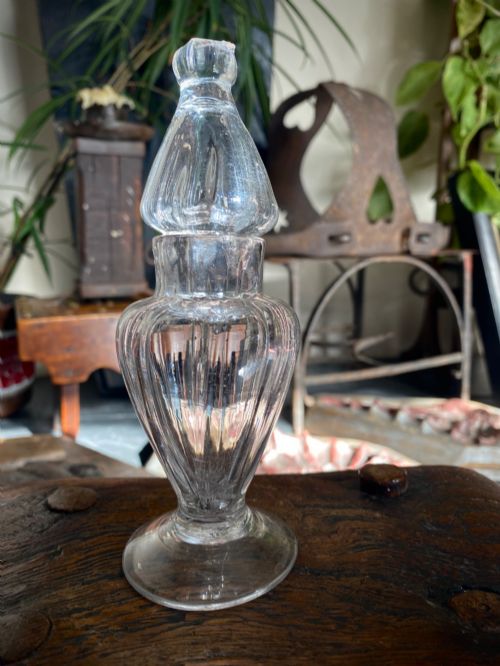
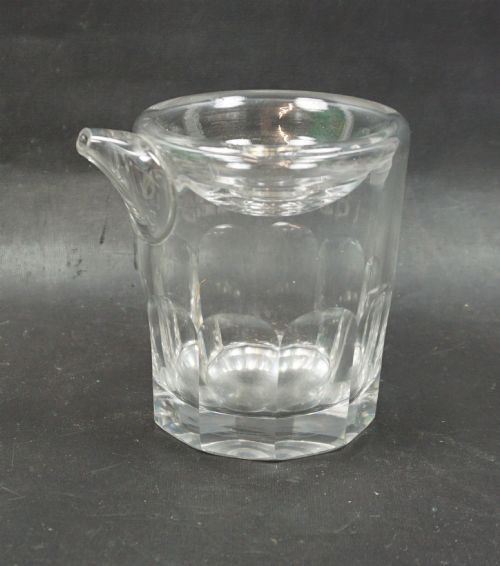
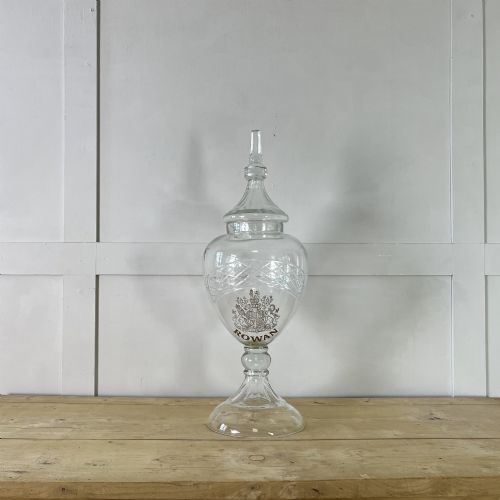
Apothecary glass vessels encompass pharmacy carboys, storage jars, medicine glass measures, and lidded jars designed for holding medicinal contents. When you search for apothecary glass vessels, you encounter items originating from Georgian, Victorian, and Edwardian periods.
How they were made
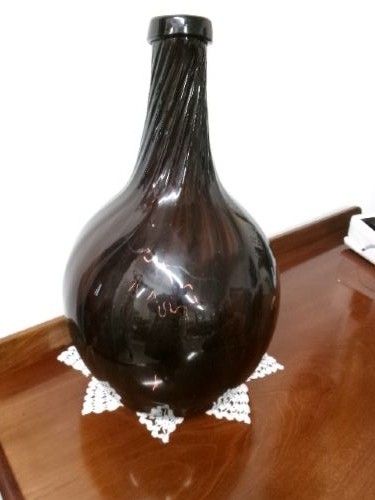
Makers utilised blown glass and cut glass techniques, shaping molten material into heavy vessels and delicate jars. Hand blowing created natural bubbles and irregularities in the walls of carboys and pickling jars.
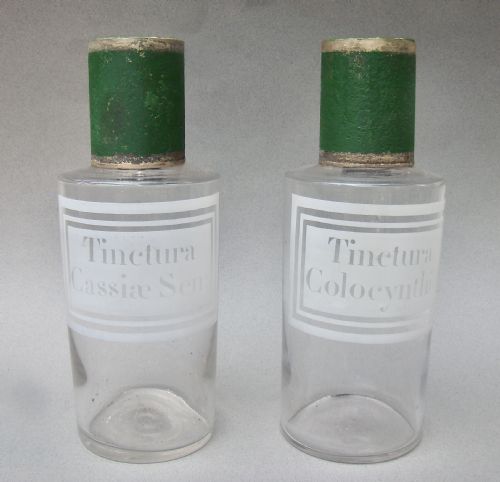
Decoration relied on applied paint, gold leaf, enamel, and acid etching to mark labels and ornamentation. Bristol blue glass and clear glass provided the primary colour palettes for these utility containers.
Apothecary Glass Vessels Retail Price Guide 2026
Typical asking prices for apothecary glass vessels among the pieces listed under this phrase on Sellingantiques today, from the lower quarter to the upper quarter. They describe what is for sale here now, not the wider market.
The listings include pieces spanning from the eighteenth century through the Edwardian era, incorporating blown glass, cut glass, and enamel materials.
What varies in quality
Quality rests in the clarity and weight of the glass, alongside the crispness of any cut facets or etched lettering. Heavier carboys and deep blue bottles demonstrate superior material substance compared to standard utility wares.
The survival of original glass covers and intact enamel labels distinguishes fine display pieces from basic containers. French and English pieces show distinct regional moulding and finishing standards.
The Apothecary Glass Vessels Glossary
- Carboy
- A large glass vessel, often housed in a base or used in shop windows to hold liquids. These heavy containers were essential for storing bulk supplies in pharmacies.
- Cut glass
- Glass decorated by cutting facets or patterns into the surface using a wheel. This technique adds considerable weight and brilliance to apothecary jars.
- Bristol blue
- A deep cobalt blue glass produced in England during the eighteenth and nineteenth centuries. It protected light-sensitive contents while offering a striking appearance.
- Enamel
- Opaque glass paste fused to the surface by heat to form decorative labels or motifs. It provides durable lettering on pharmacy jars and bottles.
- Mary Gregory
- A style of white enamel painting on coloured glass depicting Victorian children in landscapes. Pieces featuring this work are typically found on small jars and covers.
Apothecary Glass Vessels: Frequently Asked Questions
What were apothecary carboys used for?
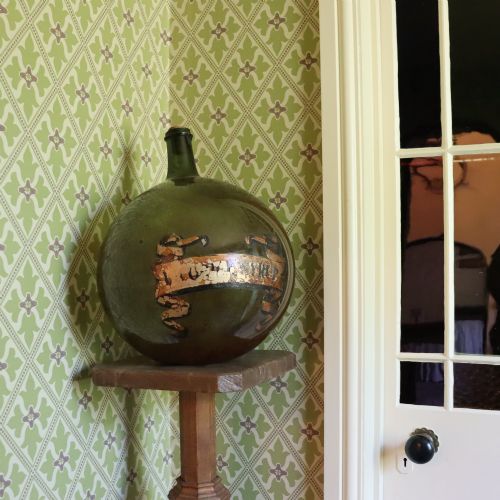
These large glass vessels held bulk liquids, distilled water, and chemical solutions in nineteenth-century pharmacies and dispensaries. Apothecaries placed them in shop windows to catch the light and advertise their trade to passersby.
Today, their impressive scale and deep colour make them striking decorative objects for modern interiors. They sit comfortably on the floor or large tables without needing additional support.
How do I identify Victorian pieces?
Victorian examples often feature deep cobalt blue glass, rich cut facets, or painted white labels identifying specific medical contents. The glass typically shows the hand-blown characteristics and heavy weight typical of nineteenth-century production.
Examining the base for a pontil mark helps confirm the period and manufacturing method. Comparing the style of the lettering and the form of the stopper provides further clues to the exact decade.
Are these jars safe for food?
While these vessels were originally manufactured to store medicines, chemicals, and pickling supplies, historic glass can be porous or contain trace elements. Many collectors prefer to display them empty as decorative objects rather than using them for modern consumption.
Gentle washing with warm water preserves any remaining interior residue, painted labels, and delicate gold leaf. Avoid harsh detergents and abrasive scrubbers that might damage the antique surface.