

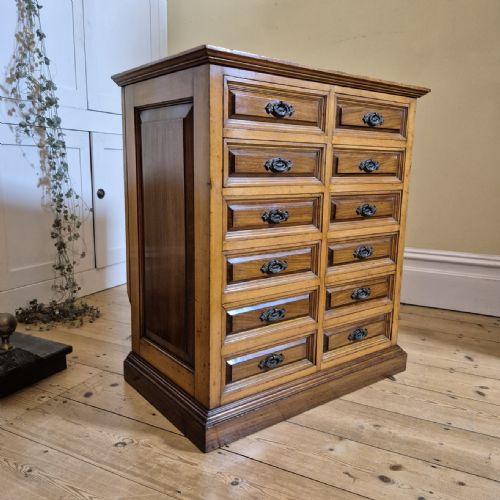
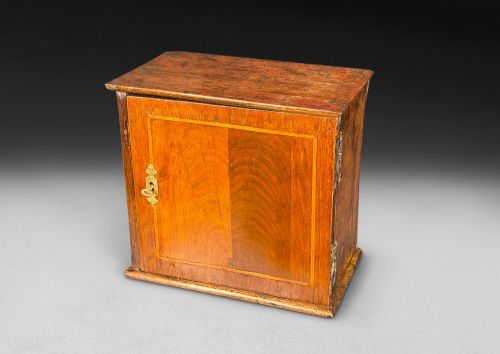
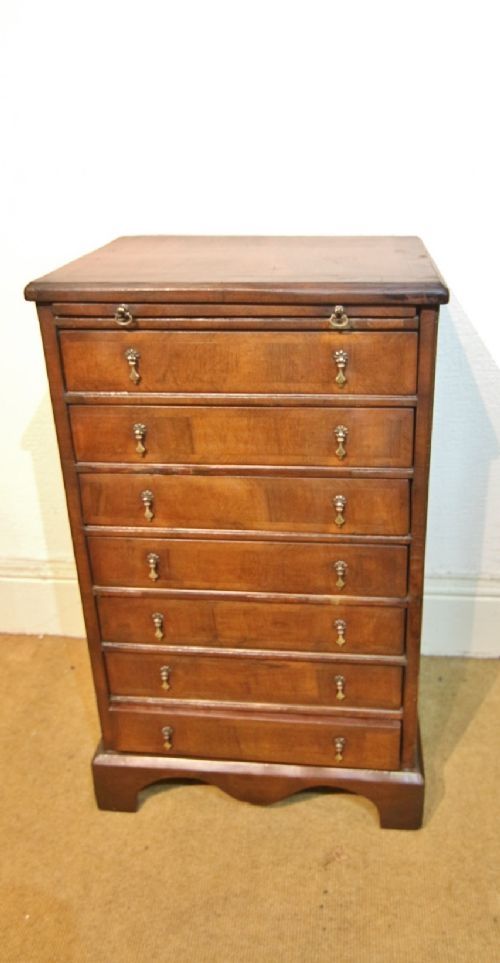


Apothecary Cabinet Walnut
These walnut apothecary cabinets are practical storage pieces with numerous small drawers, offering tactile historic charm for any interior.
Apothecary Cabinet Walnut
When searching for an apothecary cabinet walnut, a buyer encounters multi-drawer storage pieces spanning the eighteenth, nineteenth, and early twentieth centuries. These items serve collectors and householders alike, providing compartmentalised space within compact footprints.
The selections available here range from Victorian and Edwardian examples to Spanish pieces and Art Deco display cabinets. Most common are nineteenth-century banks of drawers and collectors chests designed for categorised organisation.
Construction and materials
Cabinet makers utilised solid timber alongside decorative veneers to build these storage units. Walnut and burr walnut dominate the surfaces, occasionally combined with satin birch or fruitwood elements.
Drawer construction incorporates traditional joinery while fittings rely on brass and metal hardware. Glass panels feature on specific display variants to protect contents from dust.
Apothecary Cabinet Walnut Retail Price Guide 2026
Typical asking prices for apothecary cabinet walnut among the pieces listed under this phrase on Sellingantiques today, from the lower quarter to the upper quarter. They describe what is for sale here now, not the wider market.
Judging quality in walnut cabinets
Quality separates standard utility pieces from exceptional decorative examples through the selection of timber figure. Burr walnut surfaces display rich grain patterns that elevate the visual presence of a cabinet.
The sophistication of the drawer arrangement and the integrity of the original brass hardware distinguish finer workshops. Construction depth and timber thickness dictate the physical heft and durability of each bank of drawers.
The Apothecary Cabinet Walnut Glossary
- Burr walnut
- A figured timber harvested from tree growths that produces intricate, swirling grain patterns. This material is prized for high-status cabinet facades and decorative drawer fronts.
- Bank of drawers
- A multi-tiered arrangement of small, shallow compartments housed within a single carcass. These units were originally built for sorting specimens, medicines, or paperwork.
- Satin birch
- A pale, lustrous hardwood occasionally utilised for interior framing or contrasting details in nineteenth-century cabinetry. It offers a bright counterpoint to darker walnut exteriors.
- Collectors chest
- A specialised storage cabinet fitted with numerous uniform drawers designed to hold botanical, geological, or numismatic items. They provide secure, dust-free organisation.
Apothecary Cabinet Walnut: Frequently Asked Questions
What were apothecary cabinets originally used for?
These cabinets stored dried herbs, mineral compounds, and medicinal preparations in small, distinct compartments.
Their segmented design allowed practitioners to organise remedies efficiently before pre-packaged medicines became common.
How do I date a walnut cabinet?
Dating relies on examining construction techniques, hardware styles, and timber preparation methods used by period makers.
Victorian and Georgian pieces display specific jointing signatures and proportions unique to their decade of origin.
Can I use these cabinets in a modern kitchen?
The multiple small drawers make them ideal for organising cutlery, spices, or small kitchen utensils.
Their compact footprints fit well against walls or on countertops without overwhelming contemporary living spaces.
What is the difference between burr walnut and standard walnut?
Burr walnut comes from a tree excrescence, creating chaotic and highly decorative grain patterns across the surface.
Standard walnut exhibits a straighter, more uniform grain structure favoured for structural stability and understated panels.