
Antiques and Collectables
These antiques and collectables span pocket watches, decorative objects, and walking sticks, offering tangible connections to past eras for the discerning collector.
Antiques and Collectables
Antiques and collectables encompass a wide array of functional and decorative items originating predominantly from the nineteenth and twentieth centuries. Buyers navigating this selection encounter diverse forms ranging from practical pocket knives and navigational instruments to whimsical table lighters and carved walking canes.
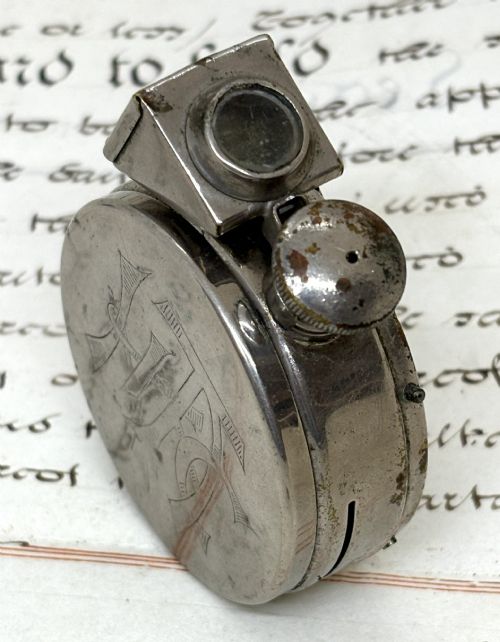
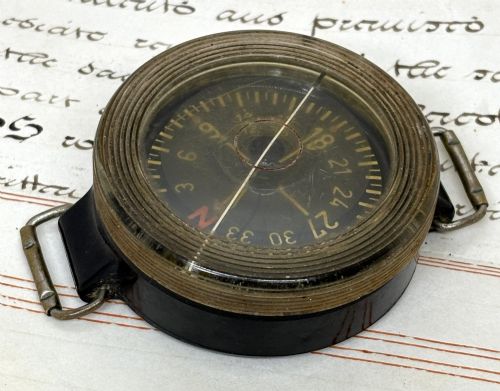
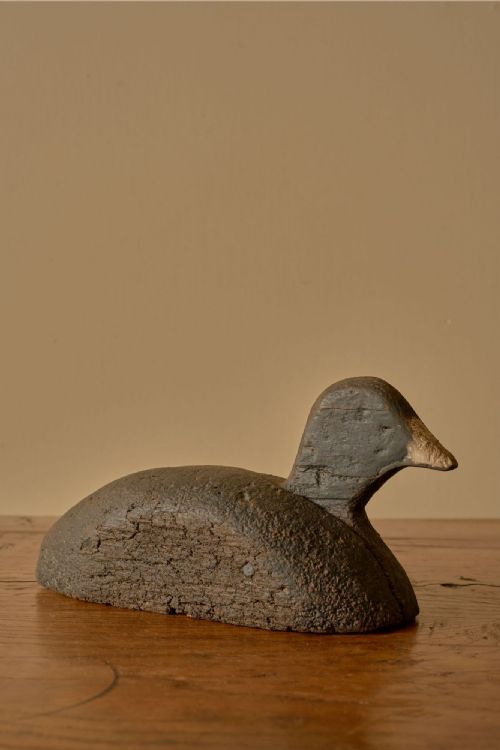
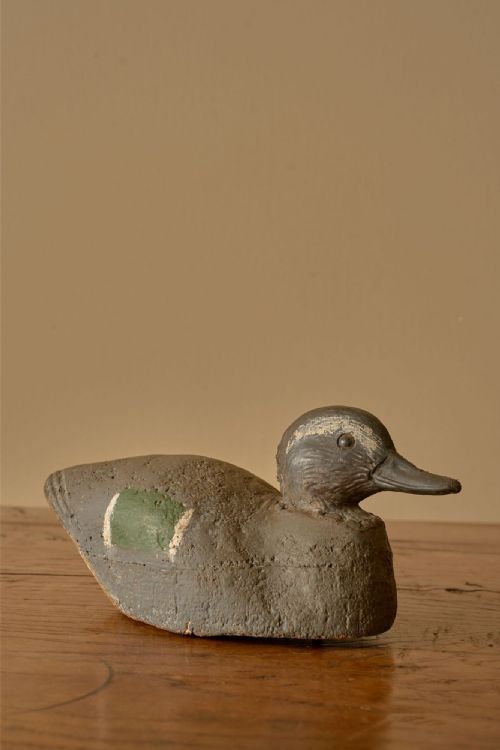
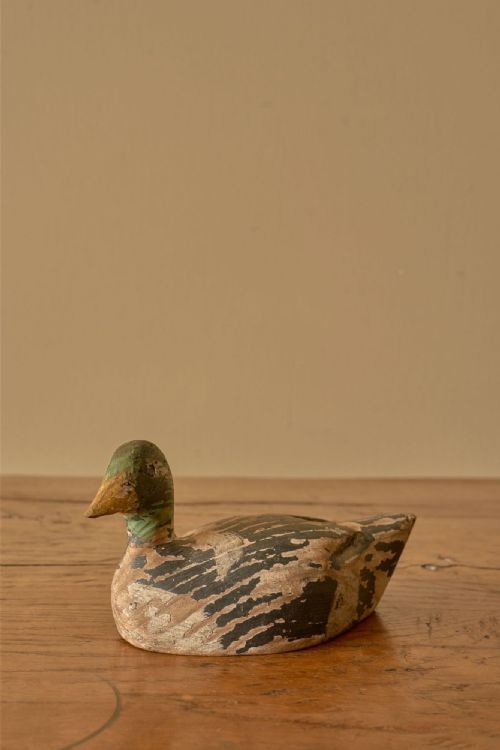
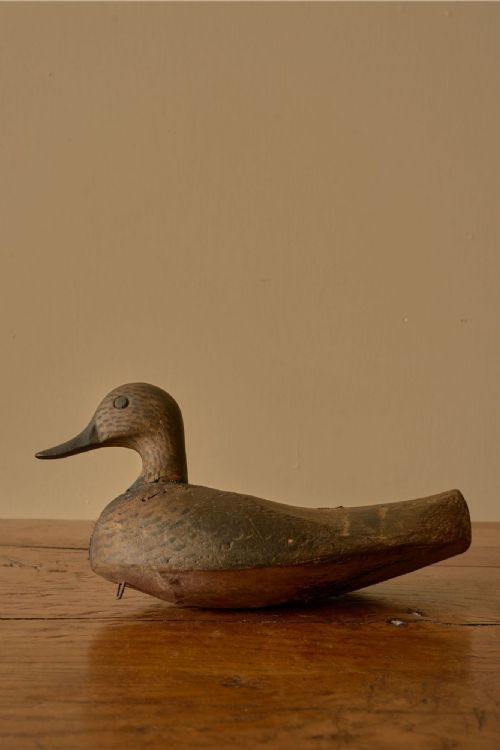
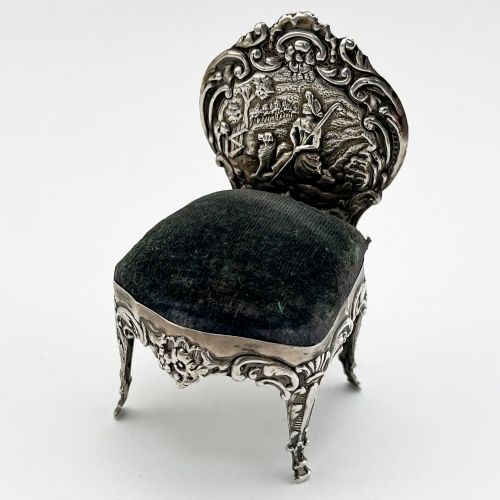
The objects stem from distinct periods such as the Victorian and Edwardian eras, alongside Art Deco and mid-century movements. Pieces like brass pocket compasses, silver pin cushions, and wooden decoy ducks reflect the domestic and professional life of past generations.
Originating from British, European, and Japanese makers, these items represent both everyday utility and refined craftsmanship. A buyer seeking an authentic piece examines the materials and stylistic markers that attribute the object to its specific decade of production.
Materials and Construction
Metalwork dominates the inventory, utilising sterling silver, brass, steel, and cast metal to form intricate pocket watches, car mascots, and scientific instruments. Artisans employed casting, engraving, and gilding techniques to shape durable metals into functional and decorative pieces.
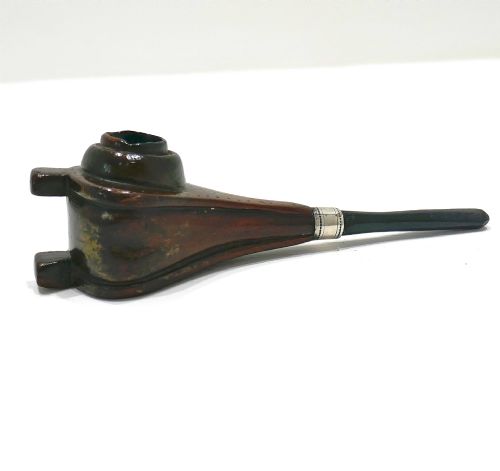
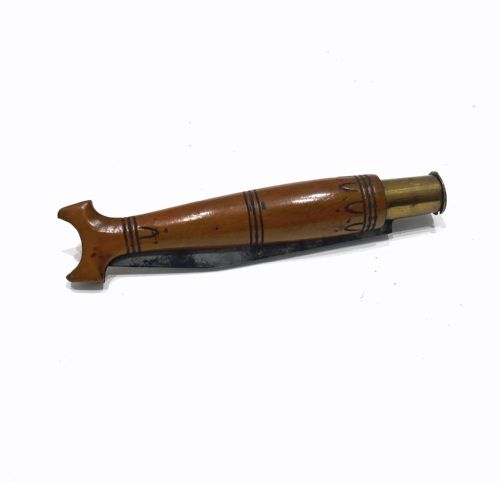
Organic materials such as fruitwood, mother of pearl, and leather feature prominently in treen items, fruit knives, and fitted cases. Woodturners and carvers shaped fruitwood into detailed pipe forms and string barrels, showcasing grain and texture.
Ceramics and enamels introduce colour through cloisonné work, majolica glazes, and hand-painted porcelain. Potters and enamelers applied pigments to earthenware and metal bases, firing the pieces to achieve lasting vibrancy in cabinet cups and miniature vessels.
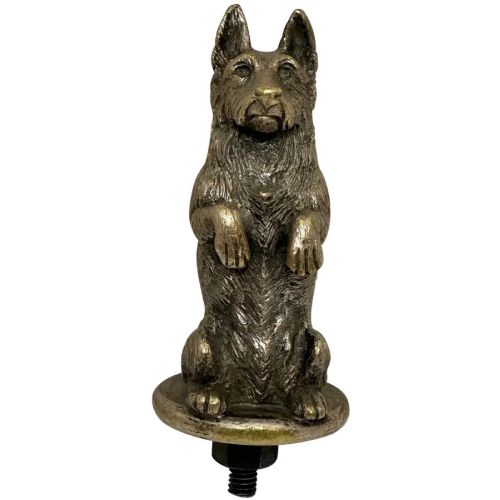
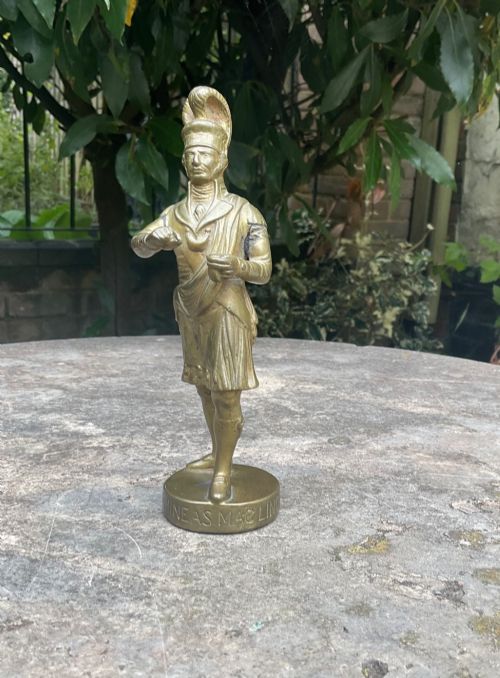
Among the decoy ducks and navigation tools, a bronze Scottie dog sits ready to motor down any twentieth-century highway.
Assessing Quality and Execution
Superior execution shows in the crispness of hand-carved details on wooden handles, bone items, and metal mascots. Master craftsmen achieved refined proportions and clean lines that separate bespoke items from mass-produced wares of the same period.
Material integrity dictates the standing of an item, particularly in precious metals, fine porcelains, and specialised instruments. Pieces retaining their original gilding, enamelling, and mechanical components demonstrate superior preservation and initial manufacturing standard.
The precision of applied decoration, such as hand-painted miniatures on porcelain or detailed engraving on silver pocket watches, indicates the hand of a skilled artisan. Higher-tier objects exhibit deliberate artistic intent and superior finishing touches across every visible surface.
Asprey·Spode·H & R Daniel·Hughes & Son·Peter & Jonathan Bateman·Holdcroft
The Antiques and Collectables Glossary
- Treen
- Small handmade wooden objects of utilitarian or decorative purpose. This term derives from the ancient word for tree and covers items like turned boxes and small carved figures.
- Majolica
- A type of earthenware glazed with tin opacified lead glazes, popular during the nineteenth century. These pieces typically display bright, saturated colours and moulded naturalistic designs.
- Cabochon
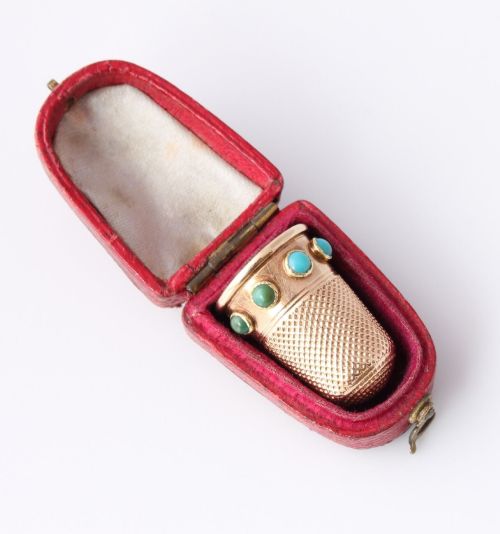
- A gemstone polished to a convex, rounded top rather than cut with facets. Jewellers frequently set turquoise or garnet cabochons into nineteenth-century gold thimbles and decorative boxes.
- Netsuke
- A small Japanese carved toggle used to secure a pouch or small container to a traditional kimono sash. They are often sculpted from wood, ivory, or detailed with cloisonné enamel.
- Car Mascot
- A decorative ornament mounted upon the radiator cap of a motor vehicle, particularly popular during the early twentieth century. Sculptors created these in bronze, silver, and cast metal in the likenesses of animals or figures.
Antiques and Collectables: Frequently Asked Questions
What are antique pocket watches?
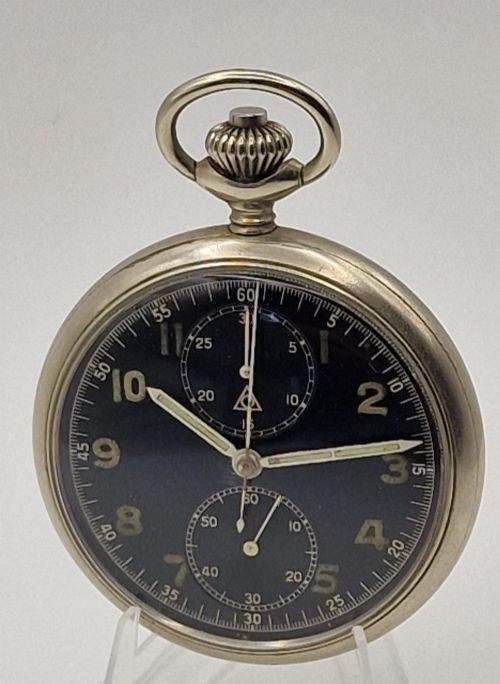
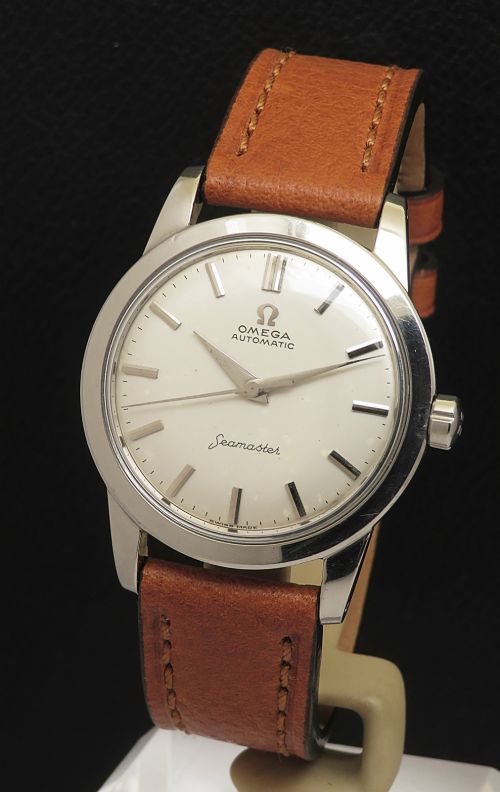
Pocket watches are portable timepieces designed to be carried in a waistcoat pocket, often secured with a chain or fob. Nineteenth and early twentieth-century examples feature mechanical movements encased in silver, gold, or base metals.
Many surviving pieces mark military service, railway employment, or bravery awards. Their dials range from simple enamel faces to complex chronograph layouts intended for precise time measurement.
How were walking sticks used?
Walking canes and sticks served primarily as functional aids for walking, whilst also functioning as fashionable accessories for gentlemen and ladies. Handles carved from bone, silver, or wood often housed hidden compartments, timepieces, or specialised tools.
Victorian and Edwardian society regarded the walking stick as a standard element of outdoor attire. Crafting these items allowed artisans to display skill in metal casting and wood carving.
How do I identify Victorian items?
Victorian pieces generally display the heavier, more ornate aesthetic characteristic of the reign of Queen Victoria, spanning the mid to late nineteenth century. Look for robust construction, deep relief carving in wood or metal, and distinct hallmarks on silver objects.
Materials such as majolica ceramics, heavy brass, and dense fruitwood predominate during this period. Stylistic motifs often draw inspiration from nature, classical antiquity, and folk traditions.
Where were decorative objects displayed?
Decorative objects from the nineteenth and early twentieth centuries were typically displayed on mantelpieces, in glass-fronted cabinets, or upon designated tables within the home. Items like bronze car mascots, porcelain cups, and enamel boxes showcased the owner's taste and refinement to visitors.
Smaller pieces often served a dual purpose as desk accessories or smoking room novelties. Their placement reflected the Victorian and Edwardian desire to surround daily life with artistic craftsmanship.