
Antique Yew Wood
These antique yew wood pieces offer rich grain and historic warmth, forming a distinctive collection of seating, tables, and cabinetry.
Antique Yew Wood
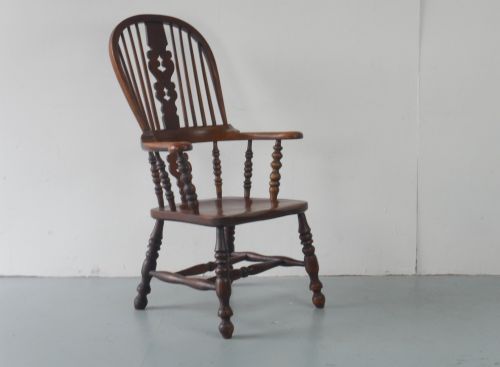
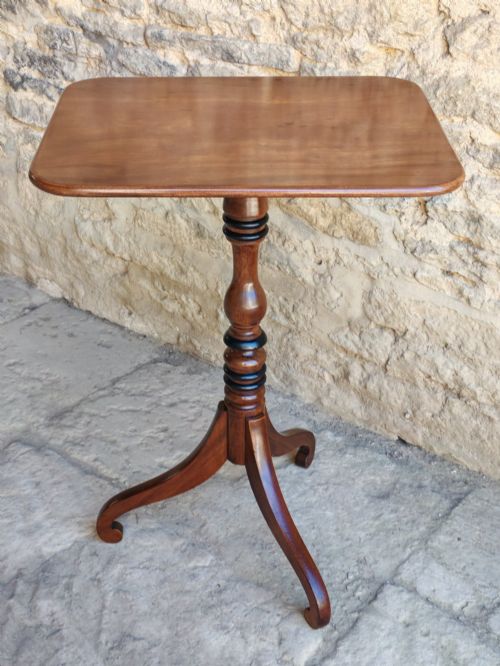
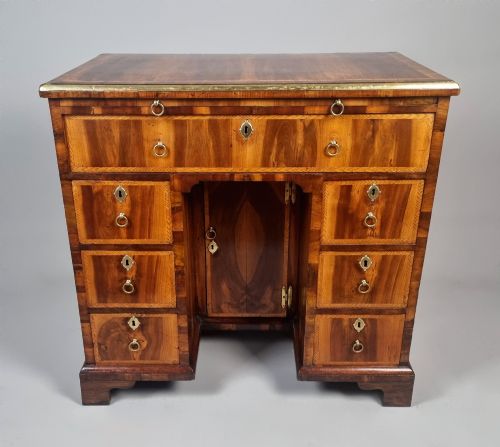
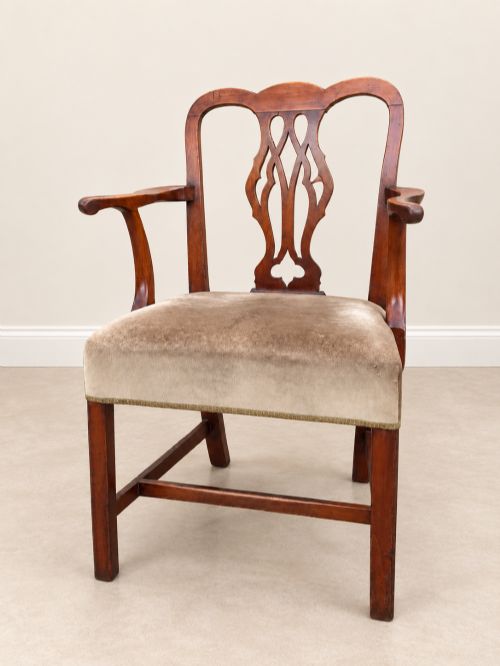
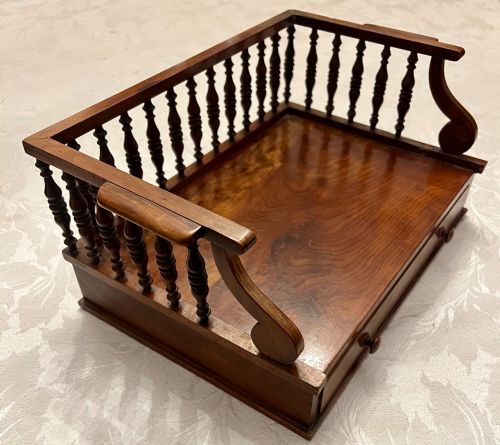
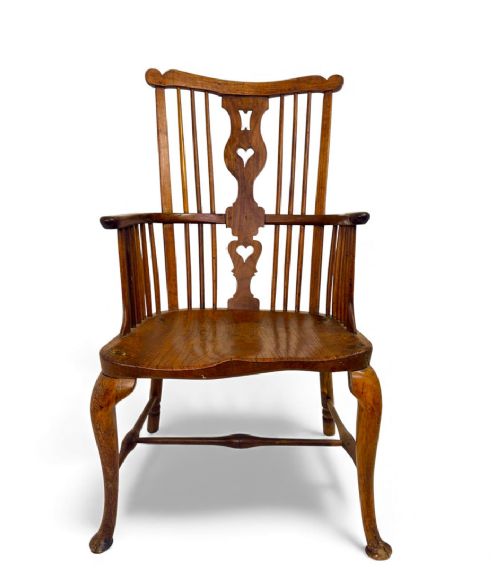
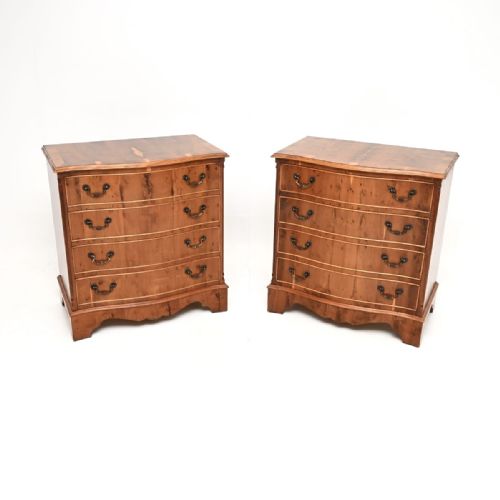
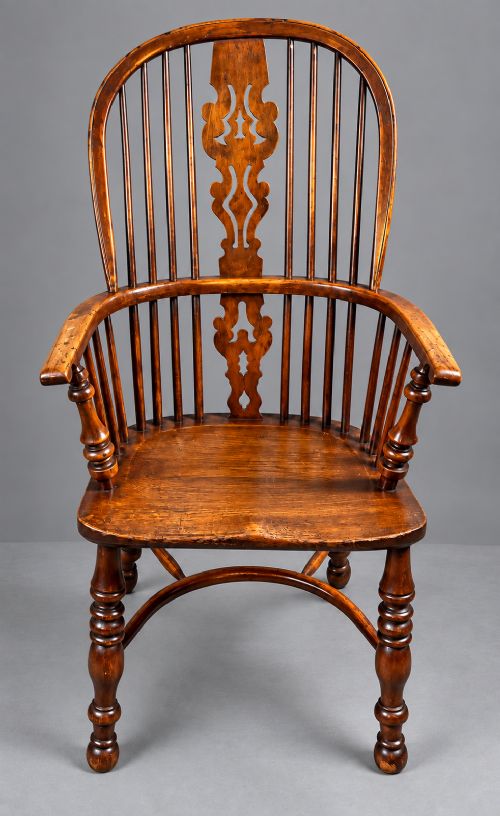
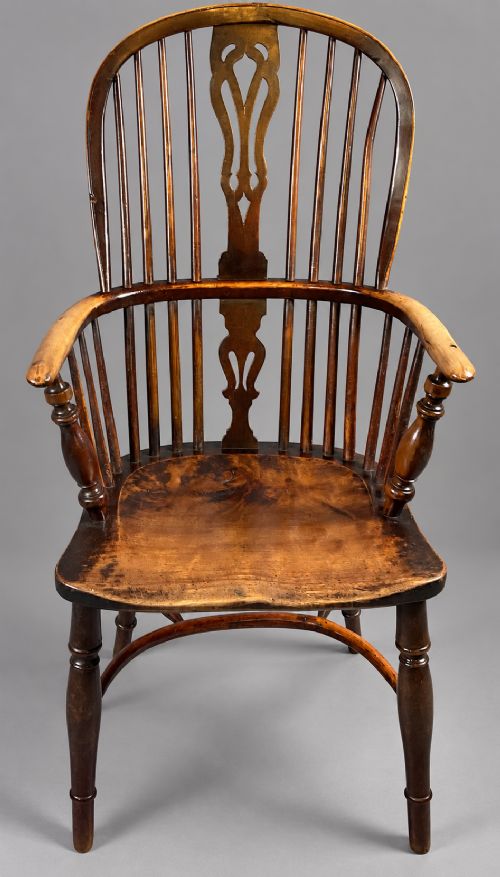
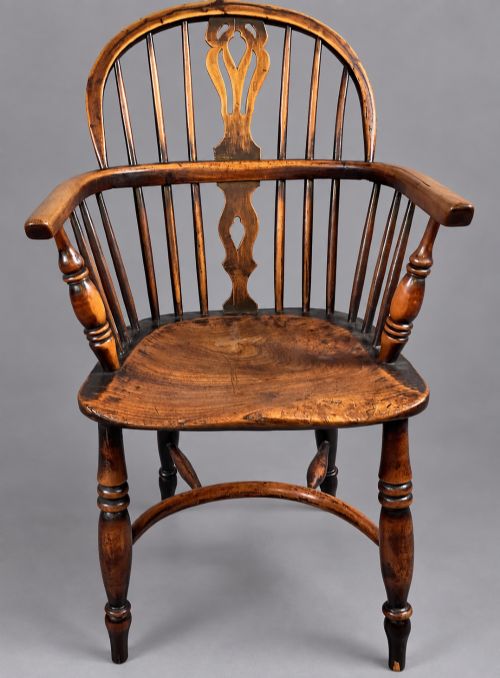
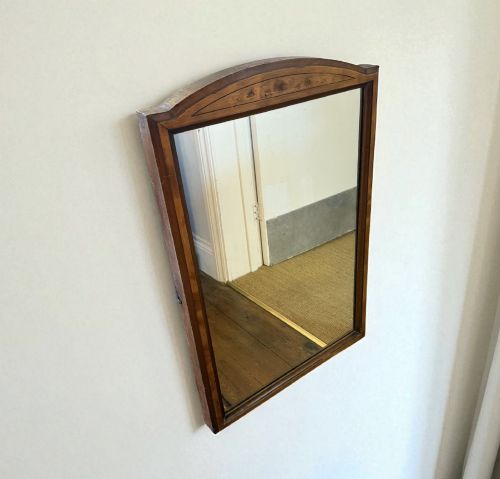
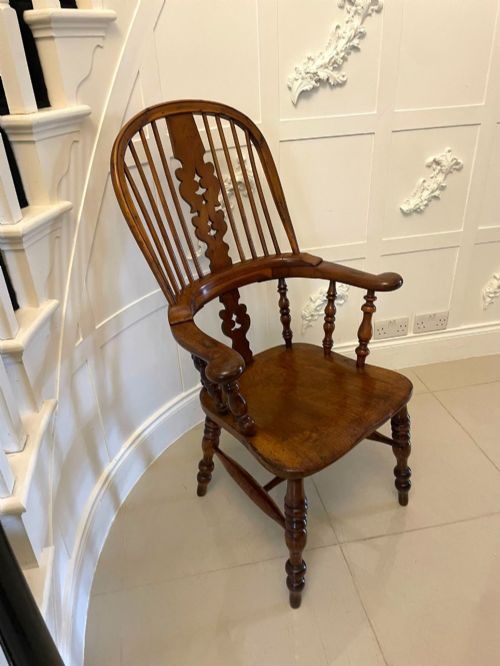
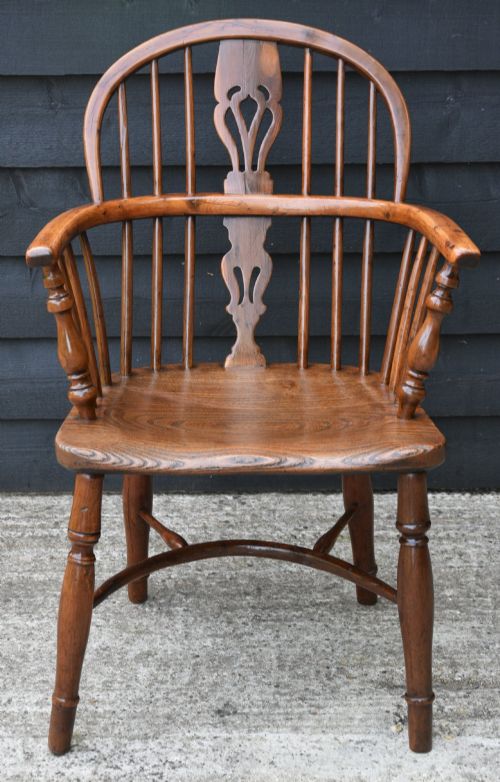
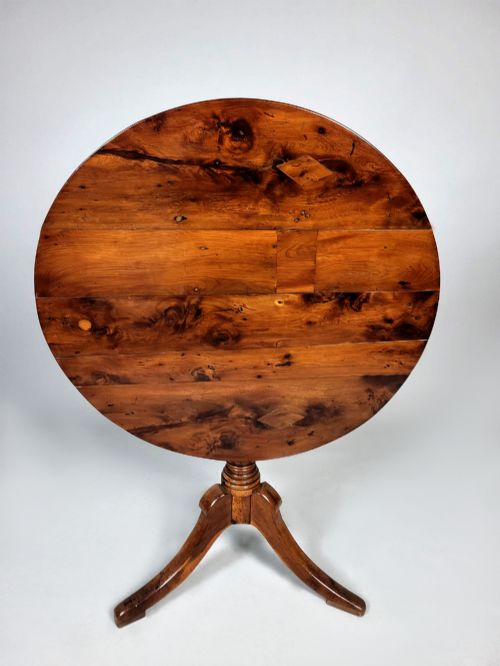
The most common forms on this page are Windsor armchairs, alongside occasional tables, chests of drawers, and bureaus. These pieces bridge formal cabinet-making and English country vernacular traditions, reflecting regional craftsmanship from periods such as the Georgian and Victorian eras.
Makers utilised yew alongside complementary native timbers like elm, ash, and oak to build robust seating and refined case furniture. Surviving examples demonstrate how this dense wood served both structural framing and highly figured surface decoration.
How they were made
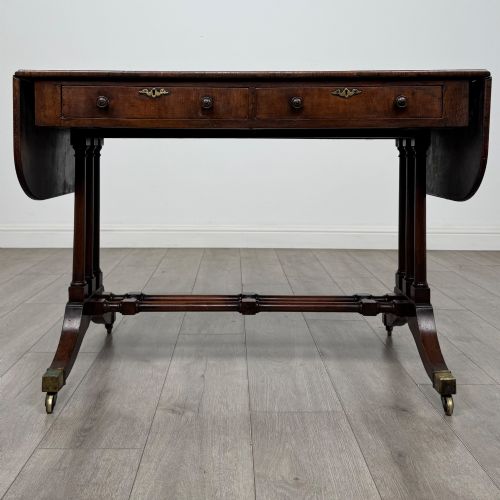
Makers turned to native hardwoods, pairing solid yew frames with elm seats in Windsor armchairs to balance rigidity with resilience. Cabinet makers also applied burr yew veneers over secondary timbers like oak and walnut on card tables and chests, highlighting intricate natural patterns.
Construction techniques combine traditional joinery with steam bending for chair bows and spindles, whilst finer tables employ dovetail drawers and brass hardware. Surface finishes rely on traditional polishing to enhance the deep grain without masking the natural timber character.
Listings span multiple periods from the 18th Century through the Edwardian era, featuring materials such as yew, elm, and brass.
What varies in quality
The distinction between ordinary and exceptional pieces rests upon timber selection, figure intensity, and structural integrity. Items featuring heavily figured burr yew veneer or balanced combinations of yew and elm command greater attention from collectors.
Proportion and originality dictate overall merit, particularly in vernacular seating where balanced spindle placement and retained surface patination define superior examples. Minor restorations alter the standing of a piece, whereas untouched primary surfaces elevate the character.
Gabbitass of Worksop·J Spencer·Reprodux
The Antique Yew Wood Glossary
- Windsor chair
- A wooden chair constructed with a solid saddle-shaped seat into which the back and legs are separately bored. These seating forms often combine yew for the upper framework with elm for the seat.
- Burr yew
- A growth deformity on a yew tree that produces swirling, highly ornamental patterns when sliced into veneer. Cabinet makers used this decorative wood on tabletops and drawer fronts.
- Lowboy
- A small kneehole dressing table or side table standing on four tall legs, typically featuring one or more rows of drawers. Georgian makers frequently produced these in yew and oak.
- Vernacular furniture
- Domestic objects built by regional makers using local traditions rather than following metropolitan court styles. This grouping includes Thames Valley and Mendlesham chairs.
Antique Yew Wood: Frequently Asked Questions
What is antique yew wood?
Antique yew wood refers to furniture and decorative items fashioned from the dense, heavily figured timber of the yew tree, predominantly dating from the eighteenth and nineteenth centuries.
Craftsmen prized the wood for its warm amber tones and varied grain, utilising it for both robust country chairs and finely veneered cabinet furniture.
How do I identify yew wood furniture?
Yew wood is recognisable by its distinct reddish-brown colour interspersed with darker streaks, knots, and pale sapwood. Close inspection reveals a dense grain structure that takes a high polish.
In finer case pieces, it appears as a burr veneer showing complex swirling patterns, whilst in Windsor chairs it forms solid spindles, arms, and bows.
Where were Windsor chairs made?
Windsor chairs were produced across various English regions, with notable production centres in the Thames Valley and other rural districts. Makers selected local native timbers such as yew and elm to construct these sturdy seats.
Regional variations appear in the design of the back, arm supports, and undercarriage turnings, reflecting local workshop traditions.
How should I care for antique yew wood?
Maintaining antique yew wood involves keeping pieces away from direct sunlight and steady sources of heat to prevent timber splitting or veneer lifting. Regular dusting with a soft cloth preserves the finish.
Applying traditional beeswax occasionally helps nourish the surface and maintains the natural lustre of the wood without sealing the grain.