





Antique Yellow Wood Sofa
These antique yellow wood sofa pieces bring robust timber frames and rich period upholstery together for any traditional interior.
Antique Yellow Wood Sofa
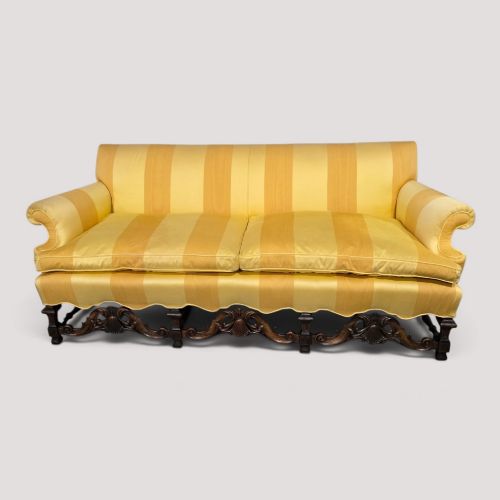
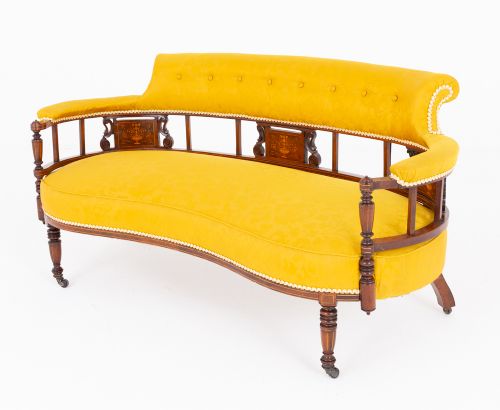
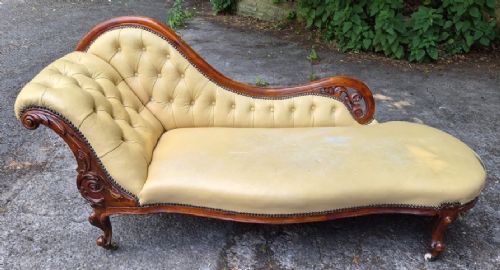
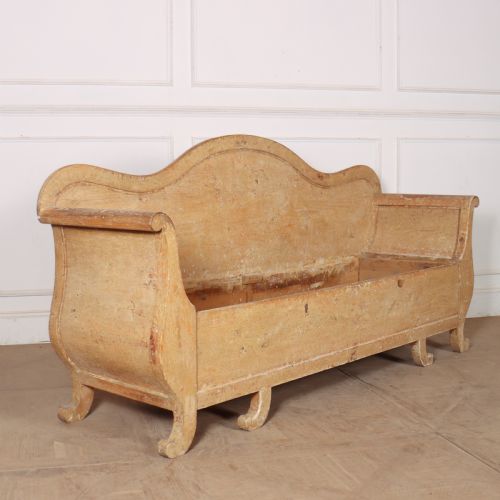
An antique yellow wood sofa encompasses timber framed seating ranging from Victorian carved walnut settees to Edwardian inlaid satinwood pieces and Swedish painted storage benches. These seating forms include three seater chair back sofas, French gilt two seaters, and carved mahogany chaise longues.
The pieces recorded on this page span the nineteenth century up to the nineteen thirties, covering Victorian, Edwardian, Baroque Revival, Louis XVI, French Rococo Revival, Scandinavian Country, and Neoclassical styles. Walnut, mahogany, oak, and rosewood dominate the structural framing of these varied settees.
Buyers most frequently meet Victorian walnut settees and mahogany framed settees alongside painted Scandinavian storage benches on this page. Each example relies on solid timber construction paired with fabric, upholstery, or textile coverings.
How they were made
Carpenters constructed the frames using dense hardwoods like walnut, mahogany, oak, rosewood, and satinwood, often shaping the timber with elaborate hand carvings. Craftsmen incorporated brass fittings and applied paint surfaces where the design called for decorative finishes.
Upholsterers built up the seating using traditional textile coverings and fabrics supported by internal padding. Woodworkers employed inlay techniques on satinwood frames and joined structural timbers to withstand daily use.
Antique Yellow Wood Sofa Retail Price Guide 2026
Typical asking prices for yellow wood sofa among the pieces listed under this phrase on Sellingantiques today, from the lower quarter to the upper quarter. They describe what is for sale here now, not the wider market.
One Swedish bench hides its storage compartment so cleverly that guests might sit on your winter blankets without ever knowing.
What varies in quality
The refinement of the timber carving separates standard framing from exceptional craftsmanship, particularly on Victorian walnut and mahogany pieces. Crisp botanical or scroll details reflect superior execution by the maker.
The integrity of the original wood structure and the quality of the textile upholstery determine the standing of each settee. Pieces retaining intact painted finishes or precise satinwood inlay demand closer attention for their preserved decorative state.
The Antique Yellow Wood Sofa Glossary
- Settee
- A long upholstered seat for more than one person, often featuring a carved wooden back and arms. These forms range from Victorian walnut frames to inlaid satinwood examples.
- Satinwood
- A durable hardwood with a lustrous yellow golden sheen, utilised by cabinetmakers for inlaid decorative furniture during the early twentieth century.
- Storage Bench
- A wooden bench incorporating a concealed compartment beneath the seat, frequently found in nineteenth century Scandinavian country pieces.
- Baroque Revival
- A decorative style reviving seventeenth century grandeur through heavy carving, curved lines, and ornate proportions on seating frames.
Antique Yellow Wood Sofa: Frequently Asked Questions
What is an antique yellow wood sofa?
An antique yellow wood sofa refers to period timber framed seating such as walnut, mahogany, satinwood, and oak settees.
These pieces span the nineteenth and early twentieth centuries across various revival styles.
How do I identify a Victorian settee?
Victorian settees typically feature carved walnut or mahogany frames with exposed wooden structures and upholstered seats.
They often display revival styles reflecting earlier historical periods.
Where were painted storage benches used?
Painted storage benches originated in Scandinavian country interiors where functional seating doubled as household storage.
Their original painted finishes distinguish them from standard polished hardwood furniture.
How should I clean a wooden frame?
Dust wooden frames regularly with a soft dry cloth to protect the polished walnut, mahogany, or satinwood surfaces.
Avoid abrasive cleaners that might damage the antique timber or decorative inlay.