






Antique Yellow Glassware
Antique yellow glassware brings striking warmth to a room, offering everything from vibrant uranium glass dishes to sophisticated art deco decanter sets.
Antique Yellow Glassware
When you search for antique yellow glassware, you encounter a diverse array of decorative and utilitarian pieces spanning the nineteenth and twentieth centuries. These items range from early nineteenth-century Bohemian dishes to crisp twentieth-century Czech decanter sets.
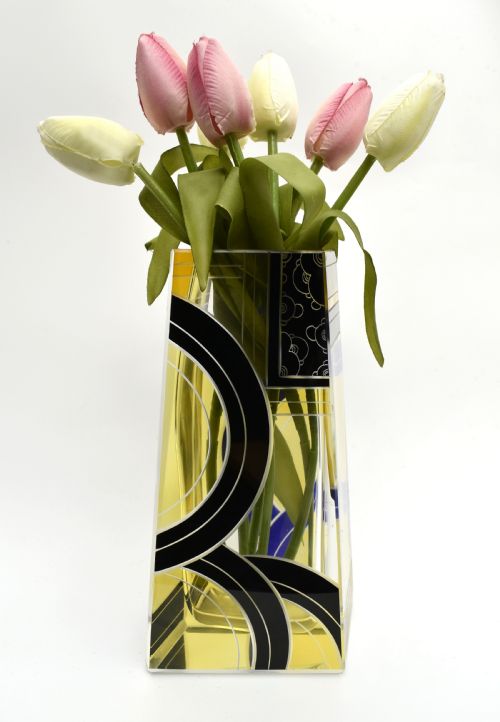
Vases and decanters dominate the forms available, accompanied by tazzas, bowls, and complete drinks sets. You are likely to meet pieces representing distinct periods including the Victorian era, Art Nouveau, and Art Deco.
Origins stretch across Bohemia, England, France, and the Czech Republic. Each piece demonstrates the enduring appeal of yellow tones in historical glass production.
How they were made
Maker utilise traditional techniques such as blowing, cutting, and intaglio engraving to shape the material. Lead crystal and standard glass provide the foundational medium for these vibrant creations.
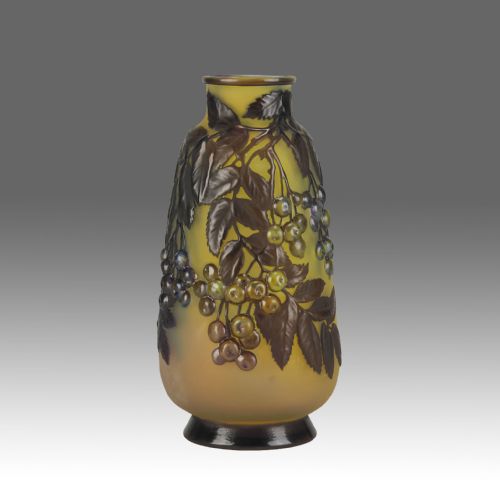
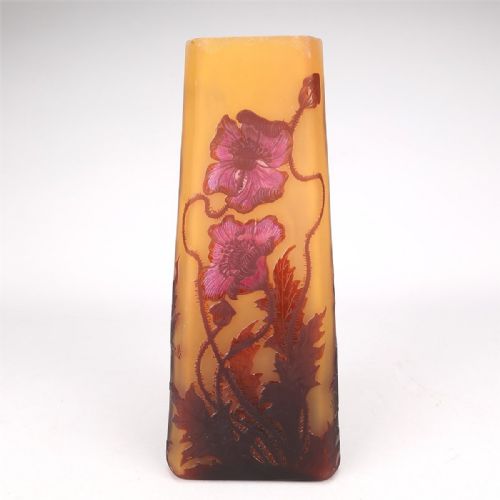
Makers incorporated uranium, enamel, and acid-etching to achieve distinctive opacity and hue. Cameo glass techniques involve layering different coloured glass before carving intricate surface designs.
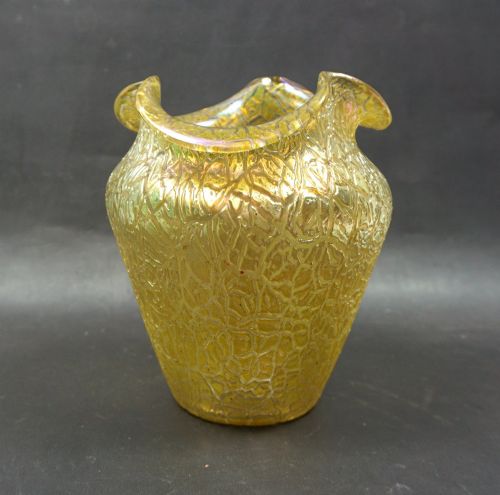
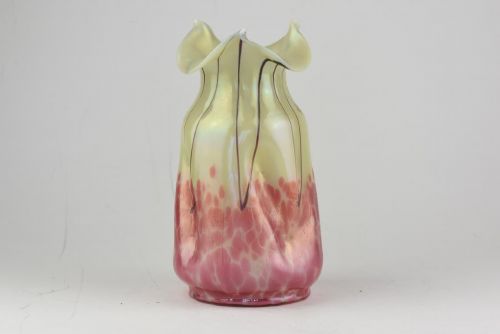
Iridescent treatments applied during cooling impart a shimmering metallic sheen to the surface. Enamel decoration adds opaque colour motifs directly onto the glass body.
Antique Yellow Glassware Retail Price Guide 2026
Typical asking prices for yellow glassware among the pieces listed under this phrase on Sellingantiques today, from the lower quarter to the upper quarter. They describe what is for sale here now, not the wider market.
Listings feature periods spanning the Victorian era through Art Nouveau and Art Deco, utilising uranium, enamel, and cameo glass.
What varies in quality
The precision of the cutting and the depth of the intaglio engraving separate standard production from superior examples. Crisp lines and controlled symmetry indicate skilled craftsmanship.
The complexity of cameo carving and enamel work dictates the refinement of the piece. Controlled colour shading and sophisticated surface treatments elevate the status of individual objects.
The reputation of the maker and the integrity of the material condition govern overall desirability. Intricate layering in cameo glass requires exceptional technical mastery.
Loetz·Pallme Konig·Stevens and Williams·Gallé·Karl Palda·Daum·Paul Nicholas for D'Argental·Legras
The Antique Yellow Glassware Glossary
- Uranium glass
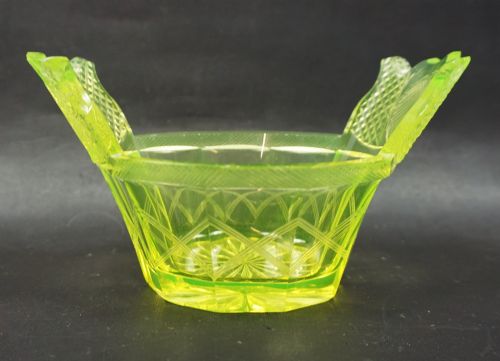
- Glass containing small amounts of uranium dioxide, which glows brightly under ultraviolet light. It typically exhibits a vibrant yellow or green coloration.
- Cameo glass
- Glass vessels created by fusing two or more layers of different coloured glass. The outer layer is then carved away to reveal a contrasting design.
- Intaglio
- A technique where the design is sunk below the surface of the glass rather than carved in relief. It requires precise cutting skill.
- Tazza
- An ornamental shallow cup or vase mounted on a stem and foot. These pieces were traditionally used for serving fruit or sweets.
- Iridescent glass
- Glass treated with metallic salts while hot to produce a rainbow-like sheen. This effect mimics the natural weathering of ancient glass.
Antique Yellow Glassware: Frequently Asked Questions
How do I identify uranium glass?
Uranium glass typically displays a vivid yellow or yellow-green hue under normal daylight. When exposed to an ultraviolet light source, it emits a distinct bright neon glow.
This fluorescence results from the historical practice of adding uranium oxide to the molten batch. It appears frequently in nineteenth-century Bohemian pieces.
What is cameo glass?
Cameo glass involves layering contrasting colours of glass, usually white over a yellow or coloured body. Artisans then carve away the outer layer by hand to create raised opaque motifs.
This demanding technique gained prominence during the late nineteenth century through skilled French and English workshops.
How should I clean antique glass?
Wash antique glassware gently by hand using lukewarm water and mild detergent. Avoid sudden temperature changes to prevent cracking the historical material.
Dry each piece thoroughly with a soft lint-free cloth to preserve surface finishes and enamel work.
Where was most yellow glassware made?
Production centres developed across Bohemia, France, England, and the Czech Republic during the nineteenth and twentieth centuries. Each region applied distinct techniques, from Bohemian uranium mixing to French cameo carving.
English glasshouses specialised in intaglio engraving and specialised decanter production.