

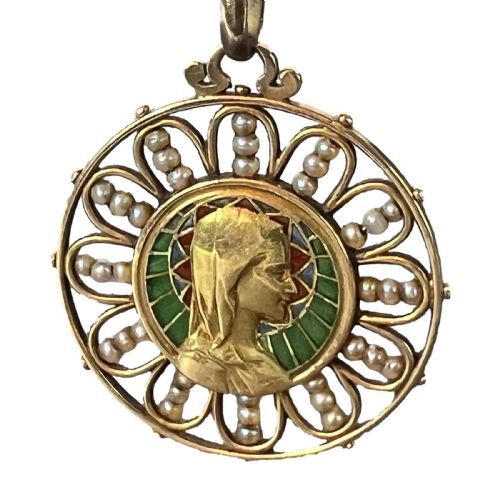


Antique Yellow Glass Jewellery
Antique yellow glass jewellery brings together bright warm tones and delicate metalwork from the Victorian, Edwardian, and Georgian eras.
Antique Yellow Glass Jewellery
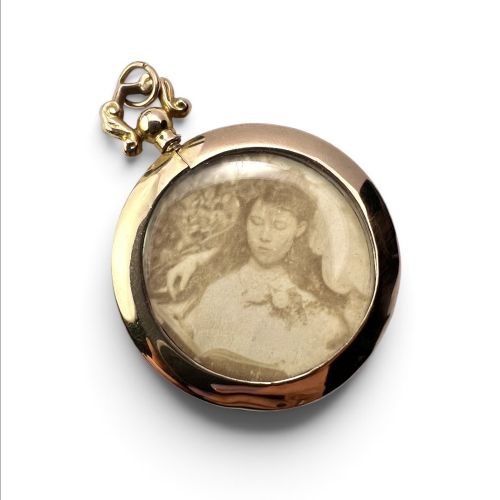
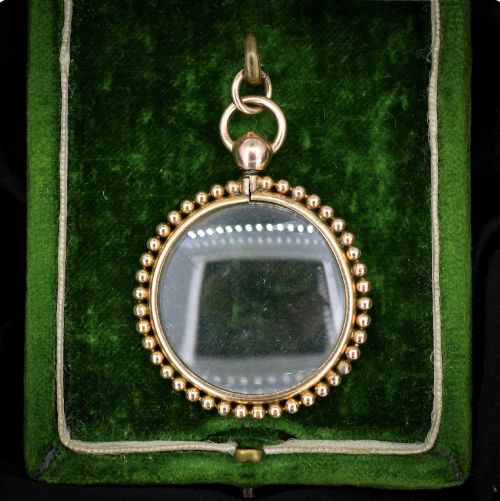
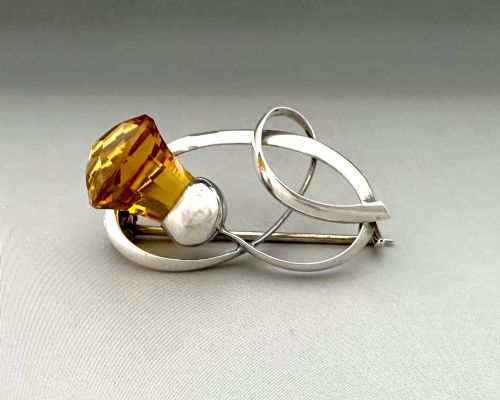
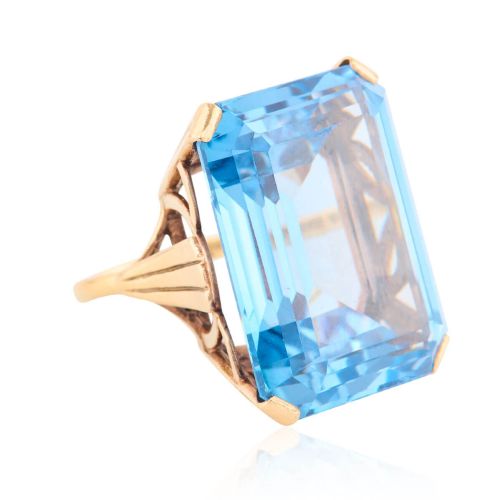
Antique yellow glass jewellery encompasses a variety of wearable pieces including pendants, brooches, earrings, rings, lockets, and cufflinks found across this page. These items draw on periods ranging from the Georgian era through the Victorian and Edwardian years up to the 1940s.
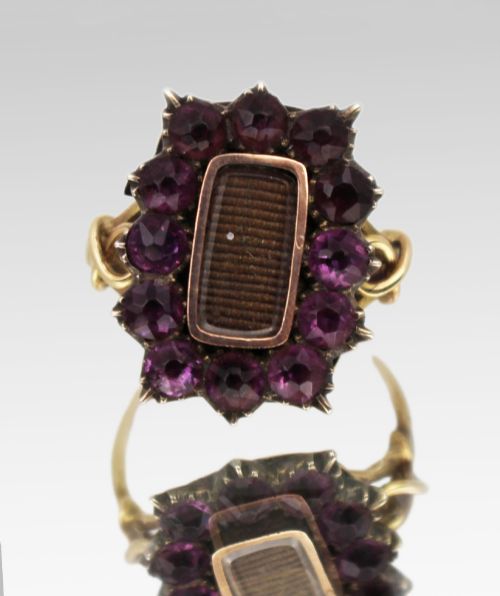
The objects frequently combine glass elements with gold mountings, seed pearls, onyx, and enamel work. Pieces often incorporate specific decorative techniques or commemorative elements such as mourning designs and micromosaics.
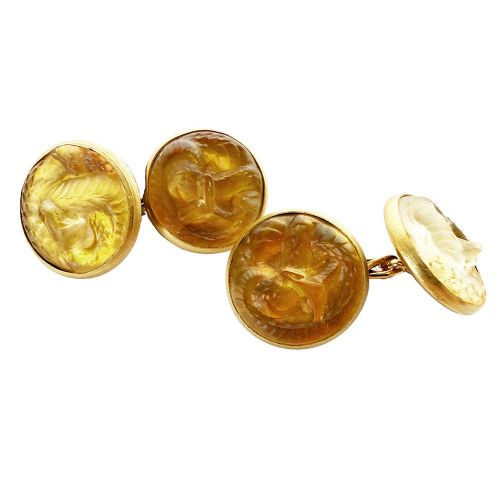
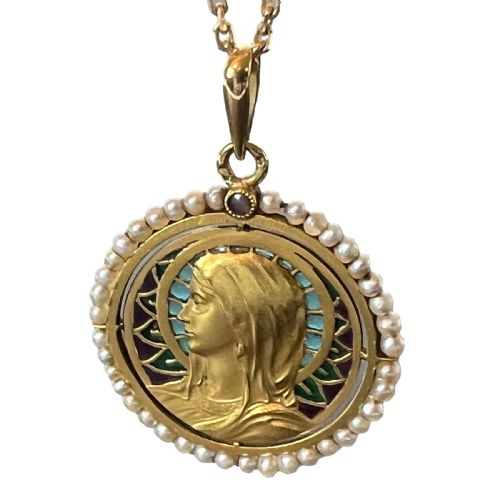
Buyers will encounter items like French pendant medals, serpent cufflinks, shaker locket bangles, and paste earrings. Each piece reflects the specific stylistic preferences of its respective period, from Art Nouveau curves to Victorian ornate frames.
Materials and Techniques
Makers set glass and paste stones into gold mounts of varying purities, alongside components like seed pearls, vitreous enamel, and glass tesserae. Technique often involved intricate metal framing to secure delicate glass elements and micromosaics.
Workmanship spans standard setting methods to specialised decorative processes like plique-a-jour enamel and micromosaic assembly. Metalwork ranges from simple bezels to ornate cast and engraved gold frames.
Antique Yellow Glass Jewellery Retail Price Guide 2026
Typical asking prices for yellow glass jewellery among the pieces listed under this phrase on Sellingantiques today, from the lower quarter to the upper quarter. They describe what is for sale here now, not the wider market.
Snake motifs coiled around glass stones let Victorians hint at eternal wisdom while wearing bright yellow hues.
The Spectrum of Quality
Quality rests upon the precision of the metalwork and the complexity of the materials used, distinguishing standard production from exceptional studio output. Hand-finished enamelling and detailed micro-mosaic placement require significant skill compared to straightforward glass setting.
The integration of precious metals like high-carat gold alongside refined glass components elevates the overall standard of a piece. The presence of documented makers and advanced techniques like plique-a-jour further separate simpler items from finer examples.
R Lalique·Murrle Bennett
The Antique Yellow Glass Jewellery Glossary
- Paste
- Faceted glass cut to imitate gemstones. It was widely used across Georgian and Victorian jewellery.
- Plique-a-jour
- A vitreous enamelling technique where enamel is applied without a backing, resembling miniature stained glass. It lets light pass through the translucent cells.
- Micromosaic
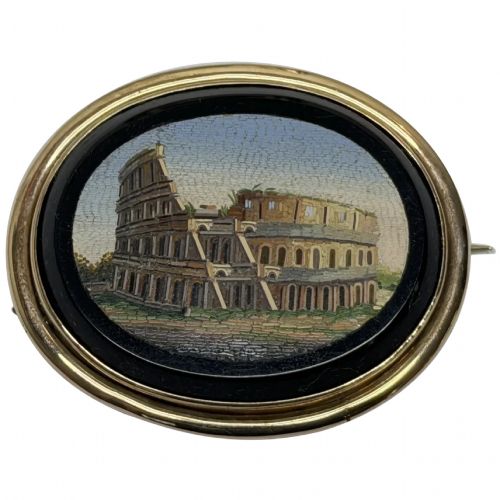
- Tiny coloured glass pieces assembled to form a pictorial scene. Roman views were popular subjects in the nineteenth century.
- Locket
- A small hinged pendant designed to hold a photograph or lock of hair. Many examples feature glass panels to display the contents.
- Fob
- A short chain or pendant attached to a pocket watch. They often took the form of seals or small decorative charms.
Antique Yellow Glass Jewellery: Frequently Asked Questions
How do I care for antique glass jewellery?
Keep these pieces away from harsh cleaning chemicals, ultrasonic baths, and direct impacts that could chip the glass or paste stones. Store them individually in soft pouches to prevent scratching against other items in your collection.
Use a soft, dry cloth to gently wipe away dust or skin oils after wearing. Take off glass pendants and rings before swimming, bathing, or engaging in manual work.
What is paste jewellery?
Paste is hand-cut and polished glass designed to imitate real gemstones like diamonds, amethysts, or citrines. Georgian and Victorian jewellers cut and set paste with the same care they gave to precious stones.
Because paste is glass, it is softer than natural gemstones and can show tiny surface abrasions under magnification. These stones offer a specific brilliance and depth of colour characteristic of their period.
How can I tell a Victorian locket from an Edwardian one?
Victorian lockets tend to feature heavier, more ornate goldwork, chased details, and sometimes mourning elements like hair compartments or black glass. They often display deep engraving and substantial proportions.
Edwardian lockets generally showcase lighter, more delicate mounts influenced by Art Nouveau or garland styles. They frequently incorporate plique-a-jour enamel, seed pearls, and airier openwork frames.
Can I wear these pieces every day?
While these items were made to be worn, their age means they require a gentler touch than modern jewellery. Delicate elements like glass tesserae, paste stones, and plique-a-jour enamel are vulnerable to sharp knocks.
Reserve them for lighter daily activities or special occasions to preserve the settings and fragile materials. Regular checks by a jeweller will ensure the mounts remain secure.