

Antique Writing Inkwell
An antique writing inkwell holds the history of a slower correspondence, offering a tactile anchor for any desk.
Antique Writing Inkwell
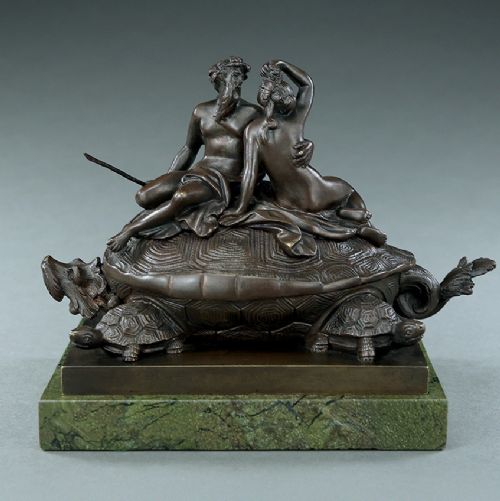
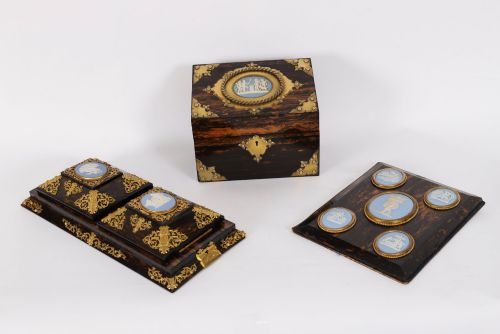
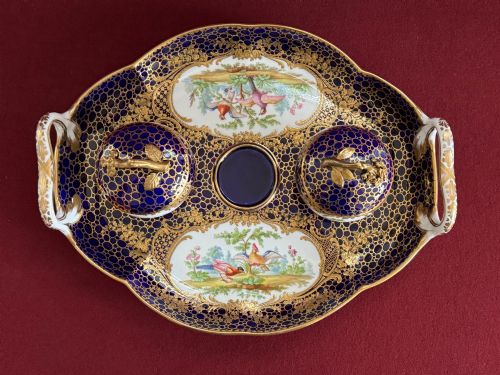
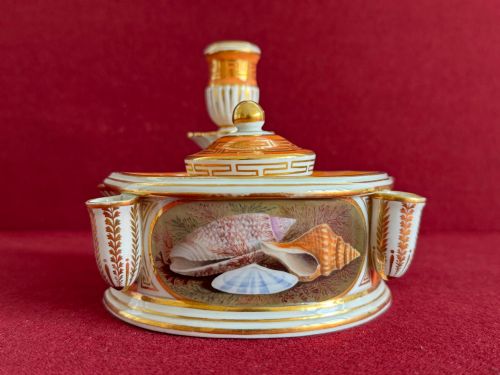
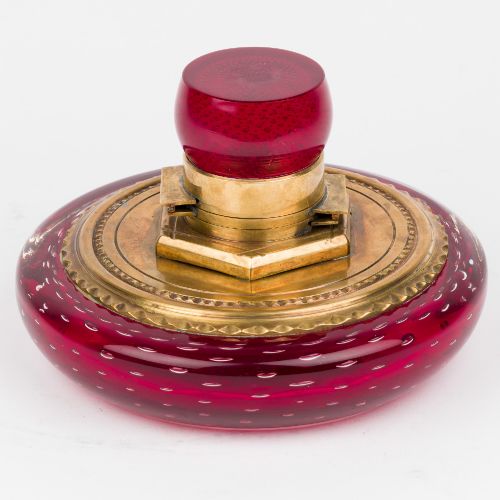
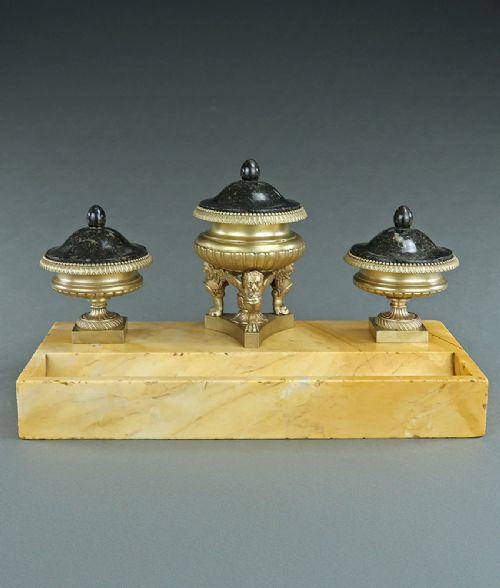
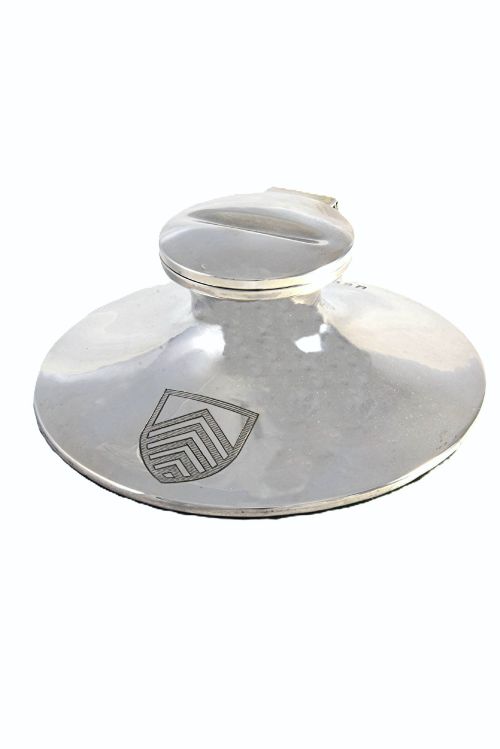
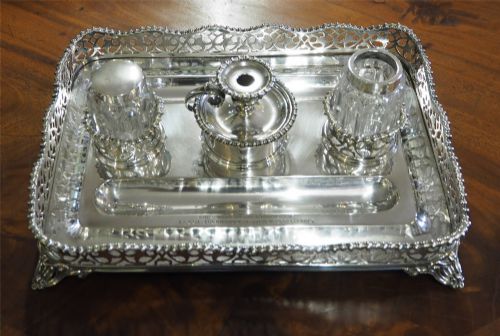
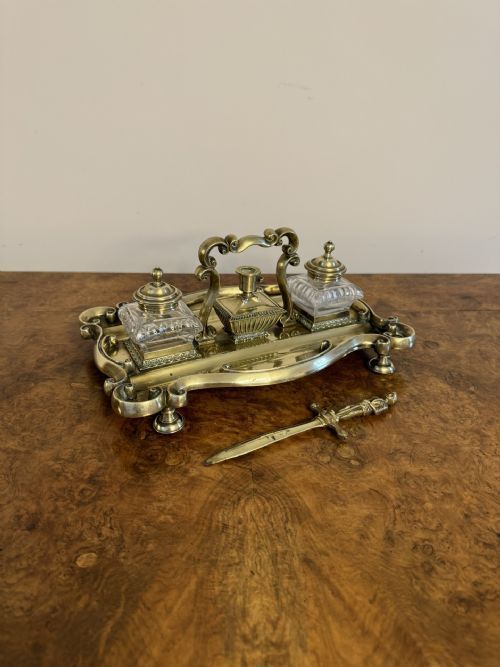
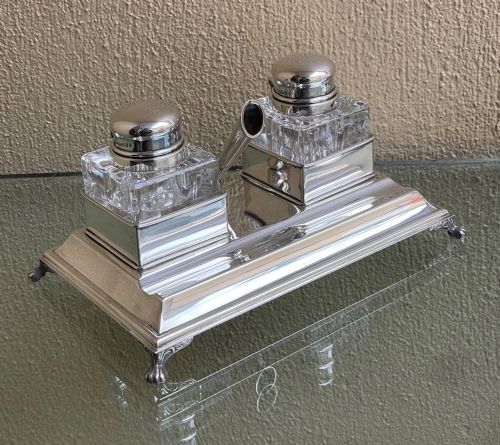
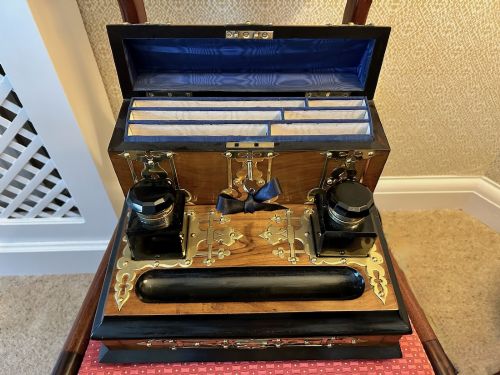
When you search for an antique writing inkwell, you encounter a range of desk accessories spanning the Georgian, Victorian, and Edwardian periods, alongside later Art Deco and Art Nouveau designs. The pieces on this page appear as single inkwells, capstan shapes, paired glass vessels, and comprehensive desk stands or inkstands fitted with pen rests and stationery compartments.
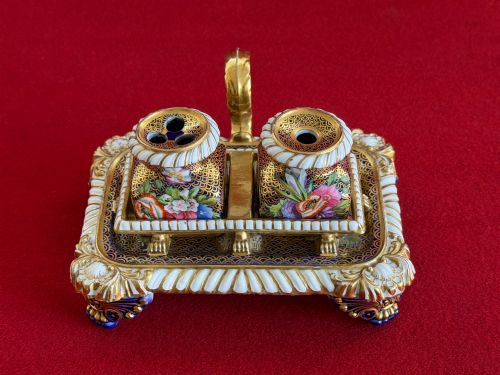
The materials vary widely, reflecting the changing tastes of the eighteenth, nineteenth, and early twentieth centuries. You find heavy sterling silver and silver plate, cut glass, porcelain from makers such as Spode and Hirado, and specialist stones like Ashford marble and green onyx.
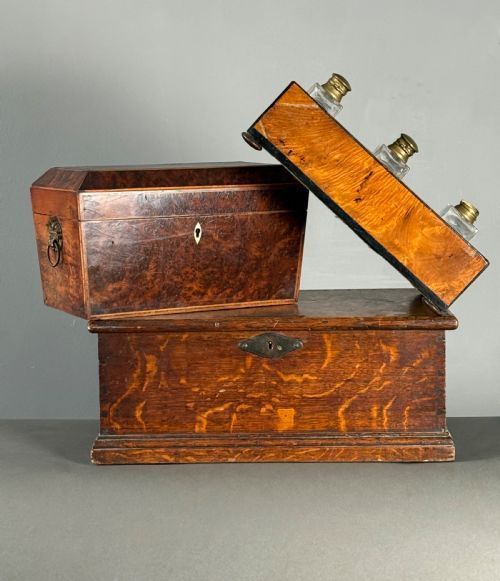
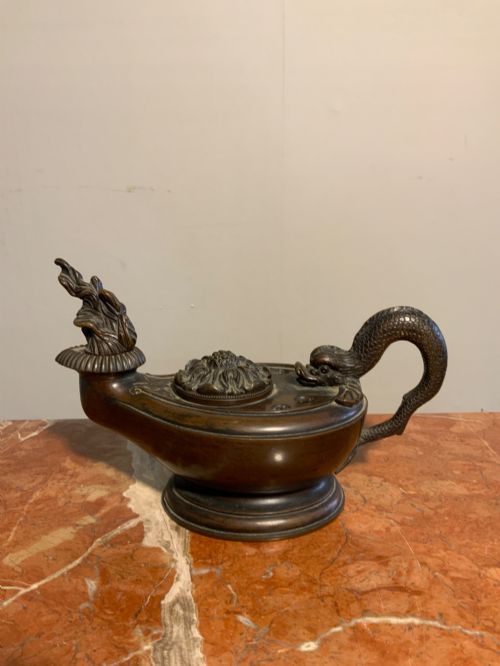
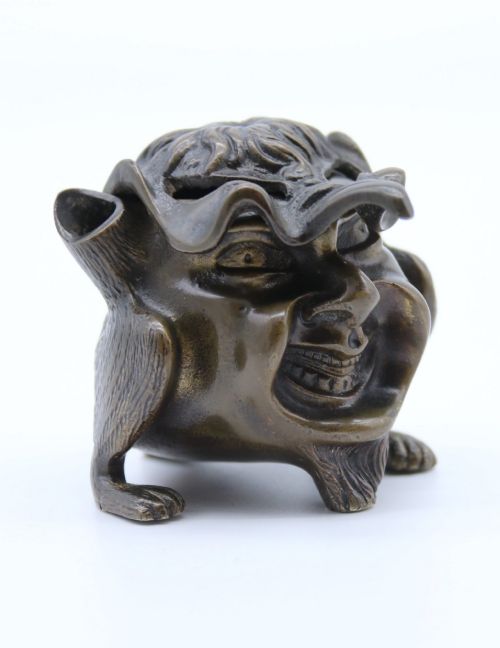
Many examples incorporate wood bases in walnut, coromandel, oak, and burr walnut, often enhanced with brass mounts, Boulle work, or tortoiseshell. Novelty forms, grand tour bronzes, Black Forest carvings, and enamel decoration also feature among the selection.
Materials and Technique
The construction of these pieces relies on the pairing of durable structural bodies with functional glass or ceramic liners designed to contain liquid ink safely. Metalworkers shaped brass, bronze, and sterling silver through casting and hand-finishing, sometimes adding champlevé enamel or gilt ormolu mounts to enrich the surface.
Cabinetmakers utilised rich timbers such as walnut and coromandel, employing precise joinery, brass inlay, and tortoiseshell veneer to build substantial desk stands and stationary boxes. Glassmakers produced heavy cut glass and pressed vessels to withstand daily use, while ceramicists shaped porcelain bodies with hand-painted floral motifs and chrysanthemum decoration.
Listings feature inkwells fashioned from walnut, coromandel, oak, and burr walnut, alongside cut glass and sterling silver.
Markers of Quality
Quality in these items rests on the precision of the metalwork, the clarity and weight of the glass, and the integrity of the fitted materials. Pieces that display crisp chasing on bronze or silver, secure hinge mechanisms, and well-preserved internal liners demonstrate superior craftsmanship from their period.
The selection of luxury timbers and decorative details such as micro-mosaic, Boulle work, or guilloché enamel separates standard desk accessories from exceptional examples. A harmonious proportion between the ink receptacle and its stand, along with the retention of matching original components, defines the finer pieces.
Elkington·Spode·Wilkinson Co·Hirado Mikawachi·Walker And Hall·Henry Matthews
The Antique Writing Inkwell Glossary
- Capstan inkwell
- A desk accessory shaped like a ship's capstan, featuring a wide circular base tapering upwards to a hinged lid. This specific silhouette became particularly popular during the Victorian and Edwardian eras in sterling silver.
- Inkstand
- A comprehensive desk tray or stand that holds one or more inkwells, often incorporating built-in pen rests, stamp boxes, and tapersticks. These larger desk accessories served as central writing apparatuses in studies and libraries.
- Standish
- An alternative historical term for an inkstand or portable writing tray. They frequently included drawers and compartments for sand shakers, wafers, and sealing wax.
- Boulle work
- A form of marquetry consisting of tortoiseshell and brass inlay developed in France. It appears on nineteenth-century desk stands executed in the Napoleon III style.
- Guilloché
- A decorative technique in which a precise, intricate geometric pattern is mechanically engraved into a metal surface. It is often covered with translucent enamel on Edwardian silver pieces.
Antique Writing Inkwell: Frequently Asked Questions
What is the difference between an inkwell and an inkstand?
An inkwell is simply the small vessel designed to hold a single supply of liquid ink, complete with a protective lid to prevent evaporation and spills.
An inkstand, by contrast, is a larger desk tray that incorporates one or more inkwells alongside integrated pen rests, sanders, and stationery compartments.
How do I date a silver capstan inkwell?
Dating silver capstan inkwells relies primarily upon the hallmarks stamped into the metal by the assay office. These marks reveal the city of assay, the standard of silver, and a date letter corresponding to the exact year of manufacture.
Stylistic cues, such as the presence of guilloché enamel or the height of the brim, also help narrow down whether a piece belongs to the Victorian or Edwardian period.
Can I still use an antique inkwell for writing?
Many antique inkwells retain their original glass or ceramic liners and sturdy hinged lids, making them fully functional for modern use with a dip pen. Care must be taken to clean dried ink residues gently from the interior to protect the historic materials.
If the glass liner is absent or cracked, the metal body should be enjoyed purely as a decorative desk accessory rather than filled with liquid.
How should I clean a brass or bronze desk stand?
Maintaining brass and bronze desk stands requires very light dusting with a dry microfiber cloth to preserve the historical surface patina. Commercial metal polishes should be avoided, as they strip away desirable age-related oxidation and can damage adjacent wood or tortoiseshell veneers.
If the piece has accumulated stubborn grime, a damp cloth with mild soap, followed by immediate drying, is the safest method.