

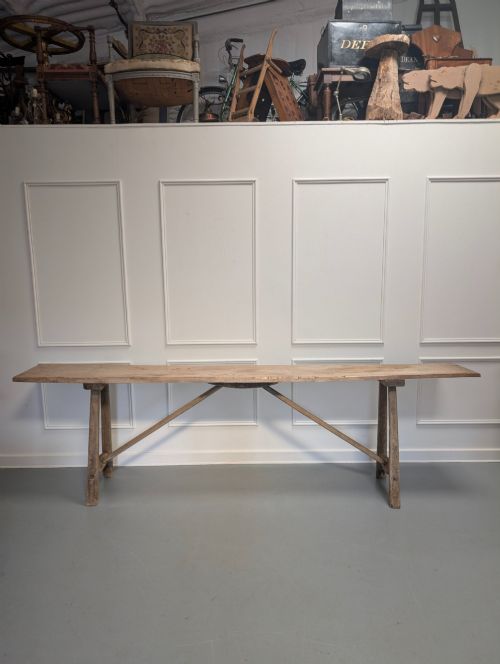
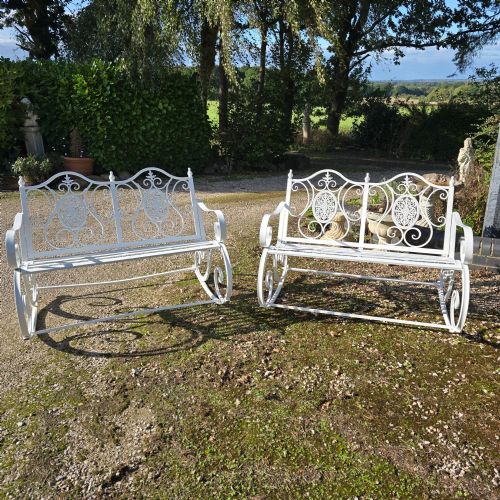
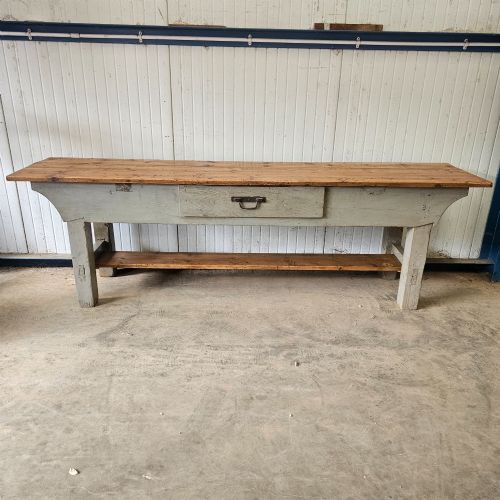
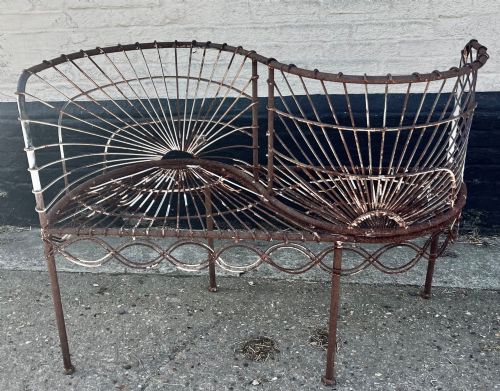
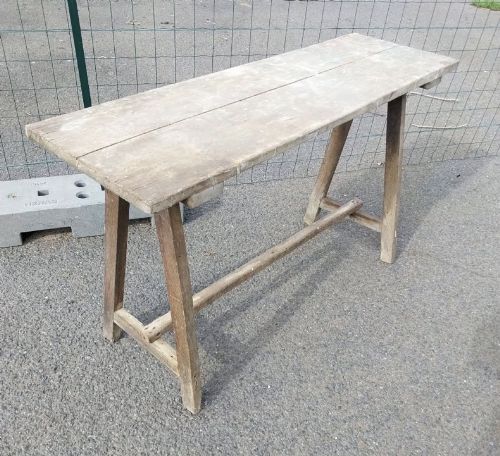
Antique Work Bench
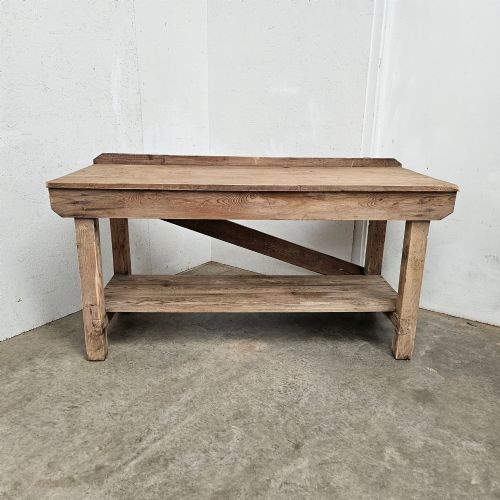
An antique work bench brings honest utility and rugged character to a room, offering a solid surface built for hard physical labour.
Antique Work Bench
An antique work bench provides a sturdy surface historically used by tradespeople, craftspeople, and artisans for practical labour. These items encompass heavy timber tables equipped with vices, alongside related utilitarian forms like potting tables and drapers tables from the nineteenth century.
The version most commonly met on this page is the nineteenth-century French artisans workbench, frequently constructed from robust timbers like beech or oak. These pieces often retain integrated wooden vices and lower shelves designed for holding tools during daily work.
Buyers also encounter related work tables and preparation surfaces originating from English and French workshops. Such pieces combine practical storage with simple, honest construction suited for modern domestic interiors.
How they were made
Makers constructed these benches using dense, durable timbers such as pine, oak, beech, elm, and sycamore to withstand heavy daily use. Traditional joinery methods ensured the frames remained rigid under the immense pressure of planing and hammering.
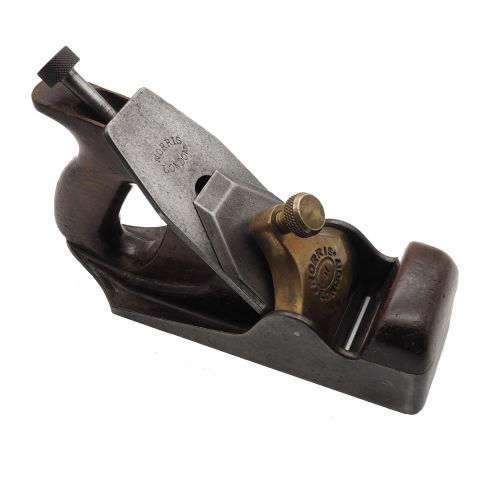
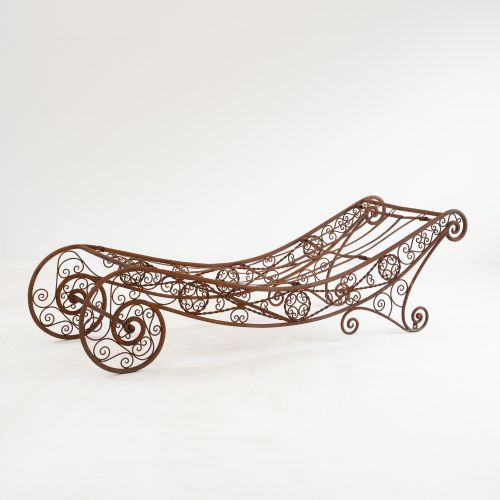
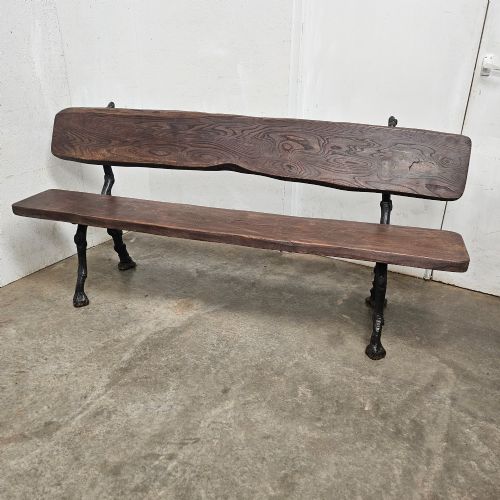
Many examples incorporate cast iron, wrought iron, and steel components, particularly in the vices, brackets, and bracing systems. Surfaces often retain layers of historic paint or the natural marks of daily labour accrued over decades of workshop use.
Antique Work Bench Retail Price Guide 2026
Typical asking prices for work bench among the pieces listed under this phrase on Sellingantiques today, from the lower quarter to the upper quarter. They describe what is for sale here now, not the wider market.
Materials recorded across these listings include wrought iron, cast iron, steel, pine, oak, elm, sycamore, and paint.
What varies in quality
The distinction between tiers of quality rests upon the integrity of the original construction and the survival of working mechanisms. Benches that retain their original wooden vices and heavy timber tops in sound condition command greater interest from collectors.
Proportion and timber selection also divide utilitarian workshop pieces from more refined domestic iterations. Well-figured grain in the working surface and honest signs of age elevate the character of a piece without diminishing its functional integrity.
The Antique Work Bench Glossary
- Workbench
- A heavy table used by carpenters, watchmakers, and artisans to hold work securely. These items typically feature integrated vices and thick timber tops.
- Vice
- A mechanical screw device mounted to a workbench for holding a piece of material still. They are constructed from wood or iron.
- Pine
- A soft timber commonly used for the bodies and tops of nineteenth-century utility tables and work benches. It accepts paint readily and forms a durable working surface.
- Arras
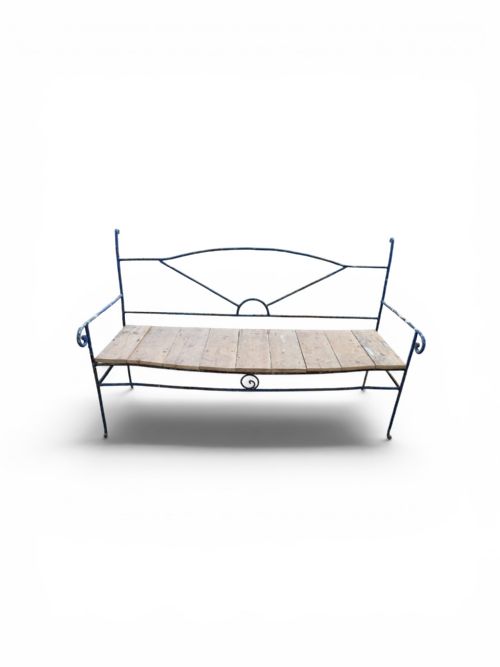
- A specific style of French wirework or metal garden seating originating from the town of Arras. These pieces are noted for their robust construction and distinctive iron framework.
Antique Work Bench: Frequently Asked Questions
What is an antique work bench?
An antique work bench is a heavy, utilitarian table historically utilised by craftspeople, carpenters, and artisans for manual labour. They are built from robust timbers and frequently incorporate functional vices and lower storage shelves.
Today, these benches serve as practical surface areas or statement islands in kitchens, workshops, and living spaces. Their appeal lies in their genuine history of physical work and honest construction.
How were work benches used?
Tradespeople utilised these benches to clamp materials securely while sawing, planing, or carving. The integrated vices held items firmly in place during detailed manual tasks.
In modern homes, they function as console tables, kitchen islands, or potting surfaces. Their original working design provides exceptional stability and generous surface area.
How do I care for an old wooden bench?
Maintain the timber by cleaning it gently with a dry or slightly damp cloth, avoiding harsh chemical sprays that strip the finish. Preserving the dry-scraped paint or aged wax protects the historic surface.
Keep the bench away from direct heat sources and excessive moisture to prevent the heavy timbers from splitting. Regular light waxing helps nourish dry pine, oak, or beech surfaces.
How do I identify the period?
Examine the construction methods, tool marks, and materials to determine the age of a workbench. Nineteenth-century examples often display hand-cut joinery, forged iron fittings, and dense native hardwoods like beech or pine.
Wear patterns, such as deep dents and ink stains on the top, indicate genuine workshop use over decades. Comparing the style of the base and vice mechanism to dated examples helps confirm the era.