



Antique Worcester Tea Set
An antique worcester tea set brings eighteenth and nineteenth-century porcelain into daily use, offering delicate hand-painted motifs and gilded detail from historic English factories.
Antique Worcester Tea Set
An antique worcester tea set comprises cups, saucers, teapots, and trios produced in Worcestershire potteries across the Georgian, Regency, and Victorian periods. These services survive in configurations ranging from individual pairs to complete settings for six, demonstrating the evolution of English dining habits.
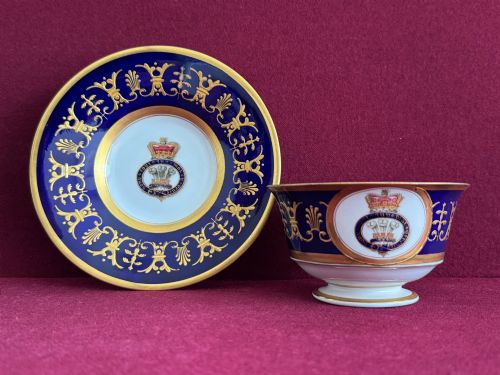
The pieces on this page span several distinct eras, from First Period soft-paste porcelain decorated with blue scale grounds to later bone china and blush ivory wares from the nineteenth and twentieth centuries. Buyers encounter both cabinet specimens with intricate hand-painted fancy birds or quail motifs and robust later table services.
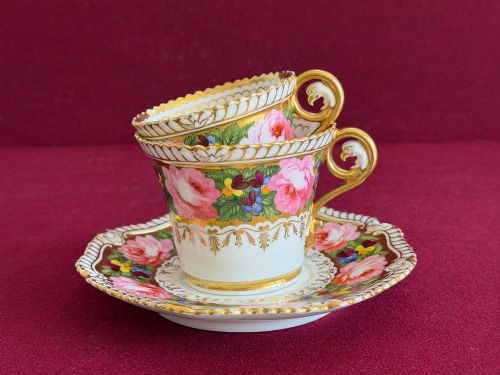
Forms follow the shifting tastes of their respective decades, moving from neoclassical tea bowls to elaborate Regency trios and Victorian floral tea services. Each grouping reflects the specific output of Worcester factories operating under various partnerships and royal warrants.
How they were made
Potters utilised soft-paste porcelain in early periods before transitioning to bone china as manufacturing techniques evolved in the nineteenth century. These ceramic bodies were shaped, fired, and glazed to provide a smooth canvas for hand-painted decoration.
Decoration relied on skilled brushwork, applying enamel colours and gold leaf or gilding by hand. Artisans painted detailed subjects such as birds, dragons, and floral patterns directly onto the glazed porcelain before a final low-temperature firing to fix the pigments.
Antique Worcester Tea Set Retail Price Guide 2026
Typical asking prices for worcester tea set among the pieces listed under this phrase on Sellingantiques today, from the lower quarter to the upper quarter. They describe what is for sale here now, not the wider market.
Materials recorded across the inventory include soft-paste porcelain, bone china, enamel, and applied gold leaf gilding.
What varies in quality
The refinement of the porcelain body and the precision of the hand-painted enamel work distinguish standard production from exceptional factory output. Early soft-paste pieces with intricate ground colours like blue scale demand high technical skill in the kiln.
The preservation of the gilding and delicate enamel details dictates the overall standard of a service. Services featuring named patterns or works associated with specific factory periods retain greater artistic interest.
Barr & Barr·Chamberlain Worcester·Flight Barr & Barr·Royal Worcester
The Antique Worcester Tea Set Glossary
- Soft-Paste Porcelain
- An early ceramic composition of clay and glass frit fired at lower temperatures than hard-paste porcelain. It produces a warm, creamy translucent body characteristic of eighteenth-century wares.
- Trio
- A matched set consisting of a teacup, a coffee cup, and a saucers. This grouping became popular during the Regency period for formal entertaining.
- Blush Ivory
- A tinted cream-coloured ceramic ground introduced by Royal Worcester in the late nineteenth century. It serves as a soft background for polychrome floral painting and raised gilding.
- Blue Scale
- A distinctive underglaze blue patterned ground resembling fish scales. Worcester factories applied this technique in panels to frame exotic birds and flowers.
Antique Worcester Tea Set: Frequently Asked Questions
How do I date an antique worcester tea set?
Dating relies on factory marks stamped or painted on the underside, alongside stylistic clues such as paste composition and decorative motifs. Eighteenth-century pieces often feature crescent or disguised numeral marks, while nineteenth-century items bear specific partnership names.
Changes in ceramic bodies from soft-paste to bone china further narrow the timeframe. Comparing pattern numbers against factory records establishes the exact production window.
Can I use an antique tea set for daily drinking?
Using antique porcelain requires careful handling due to the delicate nature of soft-paste bodies and historic enamel decorations. Hand washing in tepid water with mild soap preserves the gold leaf and prevents thermal shock.
Hot liquids should be poured gently into warmed cups to avoid stressing the antique ceramic material. Many collectors reserve these sets for special occasions rather than daily use.
What is the difference between a tea set and a tea trio?
A tea set typically comprises a teapot, sugar bowl, creamer, and multiple cups and saucers designed to serve several people. These collections provide matching vessels for a complete beverage service.
A tea trio consists of a matching teacup, saucer, and matching side plate or coffee cup intended for an individual place setting. Trios were often collected incrementally or issued as part of larger dining arrangements.
Why do some pieces feature cobalt blue scales?
Cobalt blue scale is a signature decorative technique developed during the First Period of Worcester production. Artisans applied the patterned blue ground by hand to create rich borders that framed painted panels of birds or flowers.
This labour-intensive process required exceptional control during the glazing and firing stages. Its presence indicates high-status factory output from the eighteenth century.