

Antique Wooden Wheel
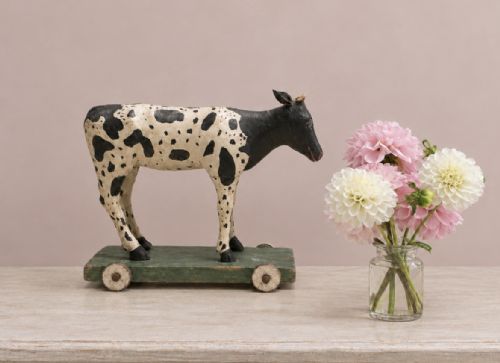
An antique wooden wheel brings tangible craft to a room, appearing on chairs, trolleys, barometers, and toys.
Antique Wooden Wheel
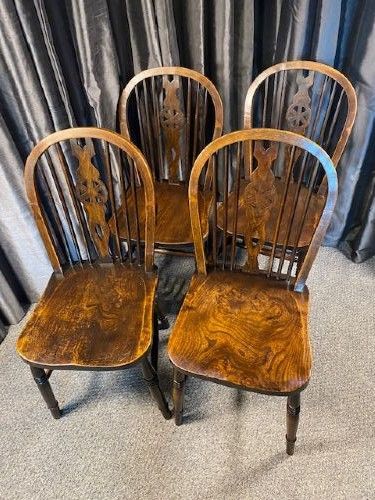
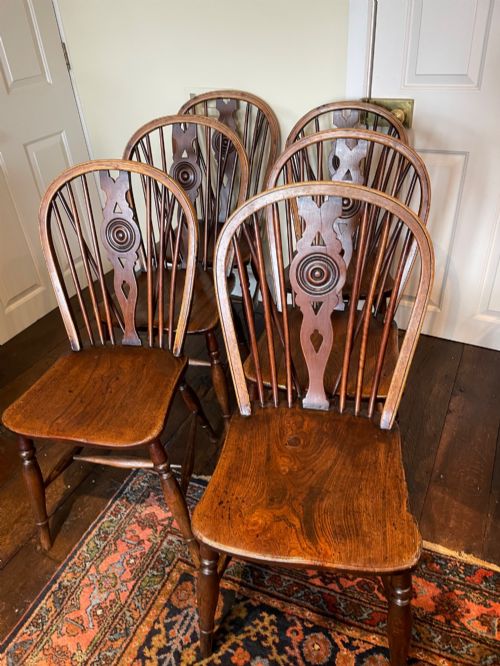
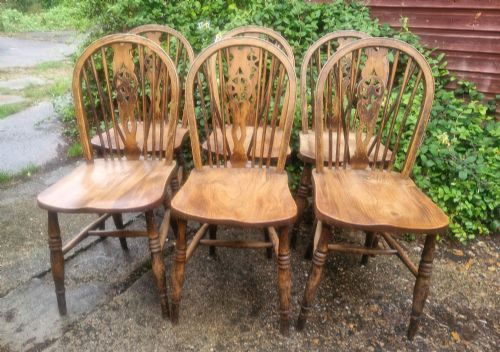
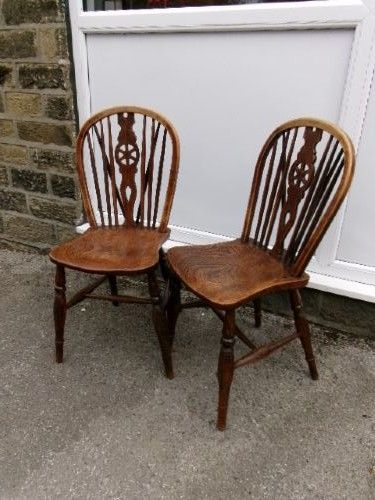
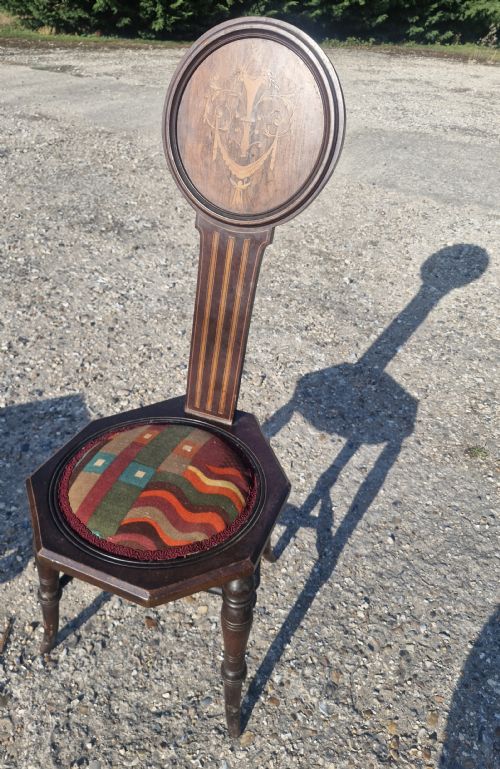
When you search for an antique wooden wheel, you encounter a diverse group of objects spanning domestic seating, scientific instruments, and transport. The most common forms on this page include Windsor wheelback kitchen dining chairs from the nineteenth and early twentieth centuries.
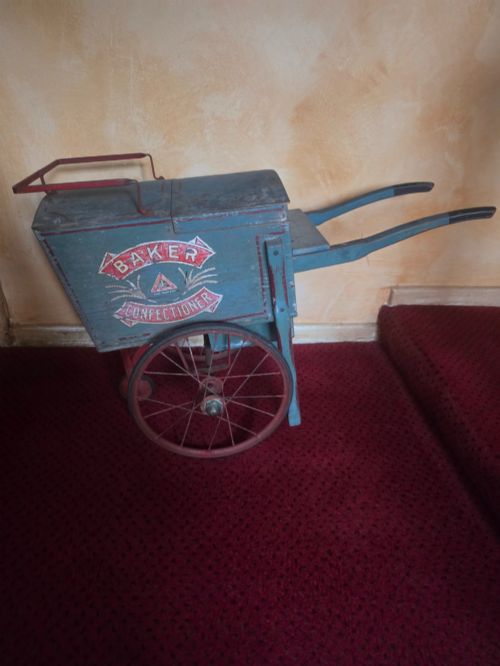
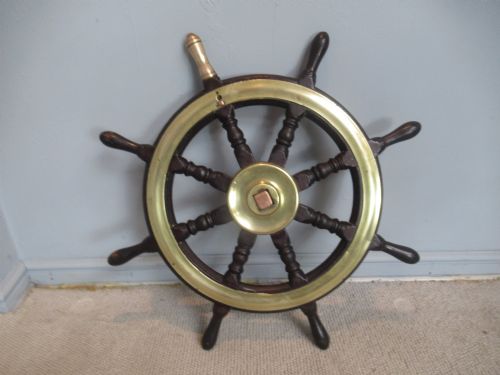
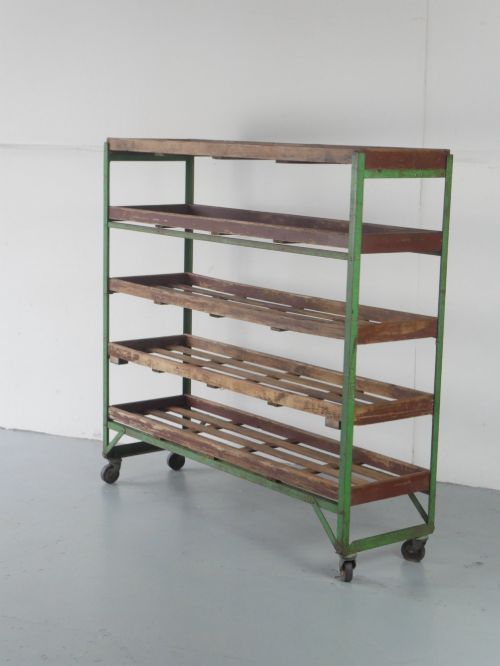
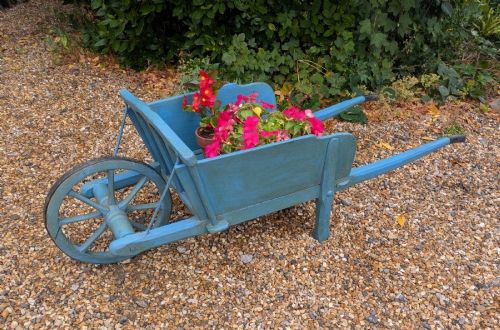
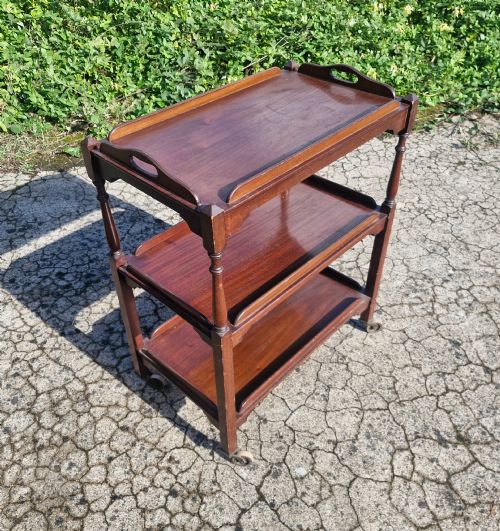
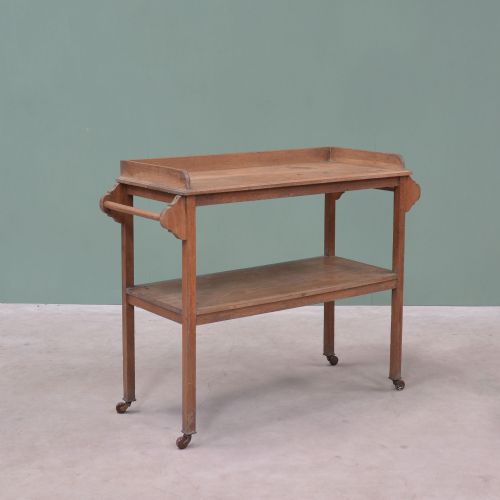
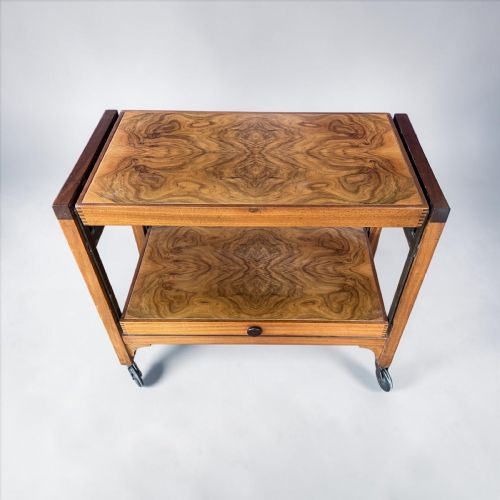
Beyond seating, the selection contains serving trolleys, tea trolleys, and bar carts fitted with wheels from the Edwardian and Art Deco periods. You also find specialised items like spinning wheels, ship wheels, cheese coasters on castors, and nineteenth-century garden wheelbarrows.
The periods represented stretch from the Georgian era through Victorian and Edwardian times up to the 1930s. Materials shift according to the object type, utilising timbers like elm, oak, mahogany, ash, and yew alongside brass and iron components.
Materials and construction methods
The pieces rely on traditional woodworking techniques paired with metal hardware. Solid hardwoods such as oak, mahogany, elm, and yew form the structural bodies of chairs, trolleys, and cheese coasters.
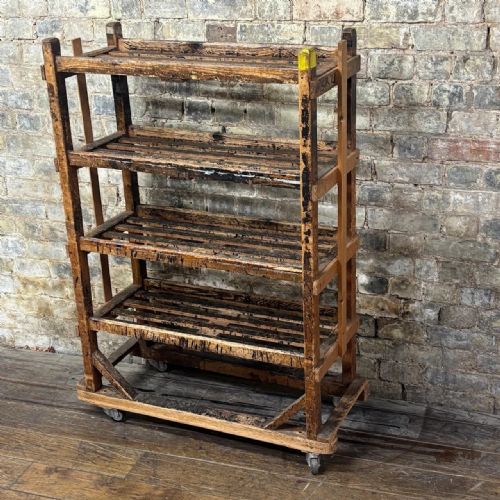
Makers integrated brass castors, iron axles, and metal fittings to provide mobility for tea trolleys, luggage stands, and furniture bases. Turned wooden components define the spindles of Windsor chairs, spinning wheels, and bobbin winders.
Antique Wooden Wheel Retail Price Guide 2026
Typical asking prices for wooden wheel among the pieces listed under this phrase on Sellingantiques today, from the lower quarter to the upper quarter. They describe what is for sale here now, not the wider market.
Distinctions in quality and finish
Quality rests in the integrity of the timber selection and the precision of the joinery. Chairs featuring well-figured elm seats and balanced yew wood spindles sit at the upper end of the range, while simpler beech and mixed-wood alternatives represent standard workshop production.
Original hardware, such as cast brass castors on Georgian cheese coasters or authentic metal fixings on cart wheels, elevates an item. The depth of the patina on woods like oak and mahogany also indicates how carefully an object has aged through the centuries.
The Antique Wooden Wheel Glossary
- Wheelback
- A chair design featuring a central splat carved or pierced in the shape of a wagon wheel. This style became popular in nineteenth-century kitchen and dining seating.
- Cheese Coaster
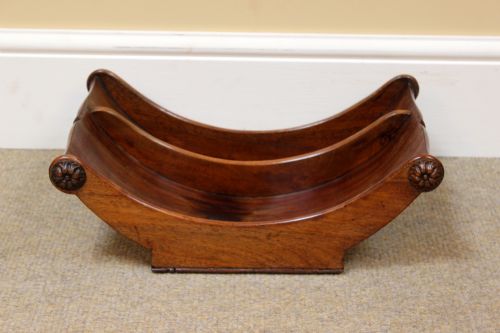
- A small, low tray fitted with small wheels or castors, designed to hold a wedge of cheese on a dining table. They allow the cheese to be rolled easily between guests.
- Spinning Wheel
- A mechanical device used for spinning yarn or thread from natural fibres. Examples range from domestic European models to mounted Indian textile tools.
- Castor
- A small wheel mounted on a swivel assembly attached to the underside of furniture legs. They allow heavy items like serving trolleys and trays to move smoothly across floors.
- Bobbin Winder
- A historical textile tool utilised for winding thread onto bobbins for weaving or sewing. These wooden implements date back to the eighteenth century.
Antique Wooden Wheel: Frequently Asked Questions
What is a wheelback chair?
A wheelback chair is a traditional wooden seat featuring a distinctive carved splat shaped like a wagon wheel. These chairs were widely produced in the nineteenth and early twentieth centuries for domestic kitchens and dining rooms.
They often combine different timbers, such as elm seats with ash or beech spindles, providing durable seating that survives in daily use today.
How do I date a wooden tea trolley?
Wooden tea trolleys and serving carts can be dated by their hardware, wood types, and overall design style. Edwardian and 1930s examples often feature folding tops, removable trays, and rubber-lined or wooden wheels.
Earlier nineteenth-century pieces tend to use solid oak or mahogany with turned legs and brass castors, reflecting the prevailing furniture styles of their respective decades.
Were spinning wheels used for display?
Historical spinning wheels were working agricultural and domestic tools used to produce yarn from wool and flax. Over time, many found a second life as decorative items in Edwardian and Victorian interiors.
Today, they are collected both for their intricate turned wooden construction and as pieces of folk art history.
How are cheese coasters used?
Cheese coasters are small, boat-shaped trays equipped with small wheels or castors designed for nineteenth-century dining tables. They allowed diners to slide or roll heavy wedges of cheese smoothly along the mahogany surface between guests.
They function today as decorative tabletop accessories or small display trays.