



Antique Wooden Weight
When you search for an antique wooden weight, you find utilitarian objects and mechanical drives shaped from timber.
Antique Wooden Weight
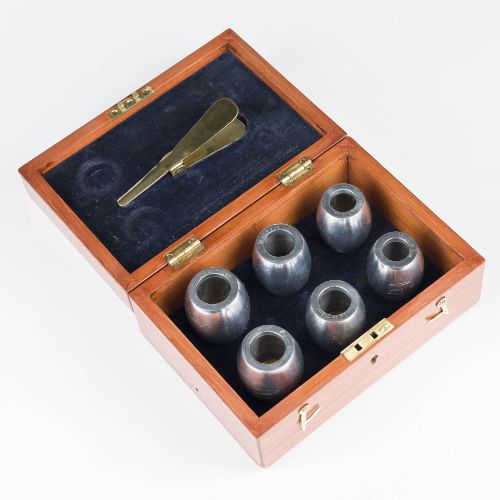
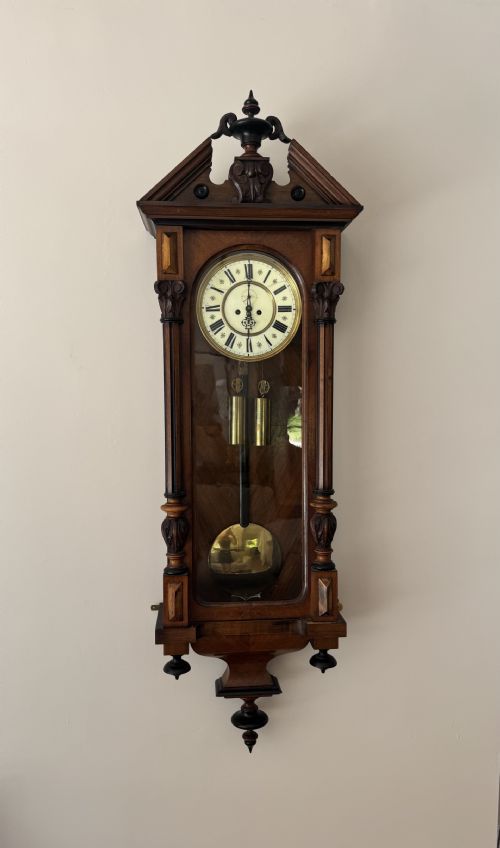
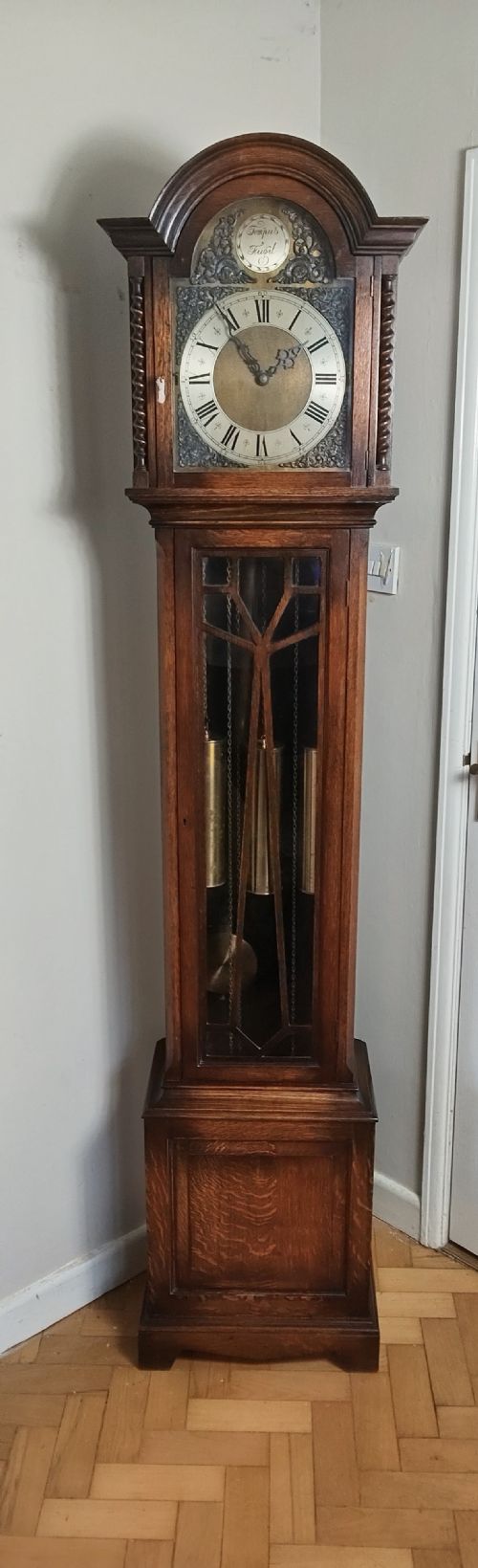
An antique wooden weight search uncovers timekeeping mechanisms, desk accessories, and games utilising timber components. The listings present items ranging from grand clock movements driven by heavy suspended weights to small desk ornaments.
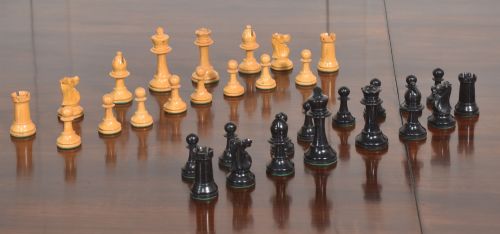
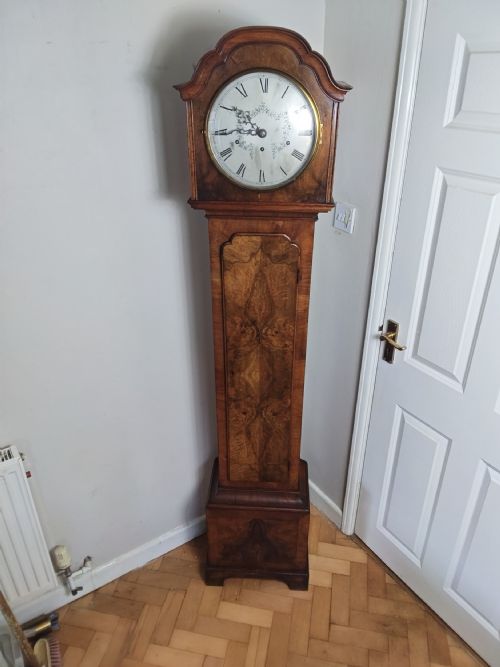
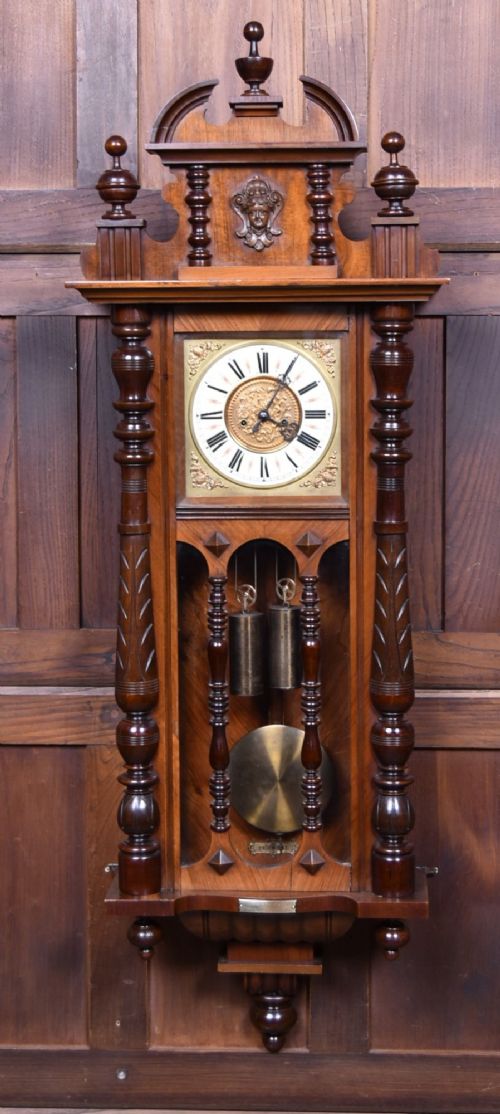
Most entries divide into longcase and wall clock cases housing weights, alongside postal scales, paperweights, and chess sets. Domestic utility and measurement dominate the selection.
Victorian and Georgian periods supply the bulk of the domestic items, utilising dense hardwoods shaped for daily service.
Materials and construction methods
Cabinet makers utilised mahogany, walnut, oak, boxwood, and ebony, pairing timber housings with brass or iron mechanisms. Dense hardwoods provided the structural integrity required for weighted clock drives and solid desk objects.
Turning, carving, and joining defined the creation of clock cases and chess pieces. Inlaid boxwood and ebonised details frequently decorated the surfaces of games sets and paperweights.
Antique Wooden Weight Retail Price Guide 2026
Typical asking prices for wooden weight among the pieces listed under this phrase on Sellingantiques today, from the lower quarter to the upper quarter. They describe what is for sale here now, not the wider market.
The listings show 19th-century and 18th-century wall clocks driven by multiple weights alongside boxwood chess sets.
Assessing quality in timber and mechanics
Quality rests in the precision of the timber carving and the integrity of the integrated mechanisms. Finely figured burr walnut and deeply carved walnut cases represent higher execution than plain softwood alternatives.
Makers who incorporated signed clock movements or documented chess sets elevate the standing of an object. The crispness of turning on boxwood pieces distinguishes workshop output.
De Grave Short & Co·Henry Deykin·Gustav Becker·F. H. Ayres·Anthony Marsh
The Antique Wooden Weight Glossary
- Staunton
- A standardised pattern of chess pieces introduced in the mid-19th century. It remains the professional standard for competitive play.
- Vienna Regulator
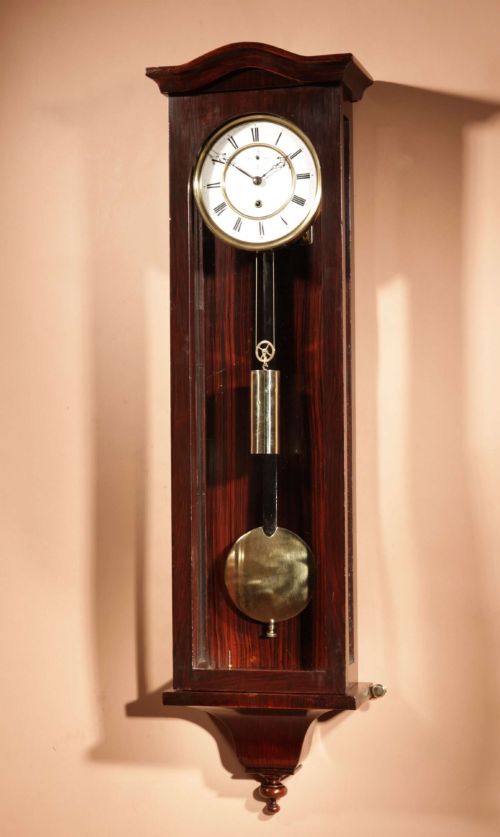
- A precision pendulum clock developed in Austria during the 19th century. These wall clocks typically utilise heavy brass weights suspended by cords.
- Longcase clock
- A tall pendulum clock enclosed in a wooden case resting on the floor. They are frequently driven by suspended weights.
- Ebonised
- Wood treated with a finish to imitate ebony. This dark staining technique was common on Victorian chess sets.
- Lignum vitae
- A dense wood utilised for heavy turned objects. Its natural oils provided exceptional durability.
Antique Wooden Weight: Frequently Asked Questions
What drove these clocks?
Heavy metal weights suspended by cords or chains provided the driving force for the gear trains in these wall and longcase clocks.
Gravity pulled the weights down slowly over days or weeks, turning the internal drums to power the movement.
How are chess sets weighted?
Manufacturers inserted lead shot or metal weights into the base of wooden chess pieces during production.
This added stability during play, preventing the pieces from tipping easily over the board.
Where were postal scales used?
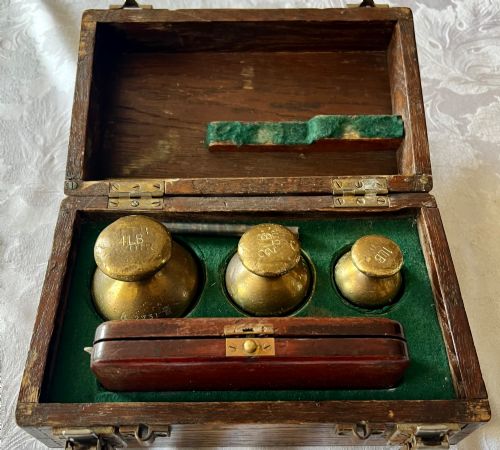
Postal scales sat upon desks in offices and domestic studies for weighing letters before dispatch.
They measured weight against calibrated brass standards to determine correct postage rates.
How do I date an item?
Dating relies on timber selection, mechanical style, and documented maker marks recorded on dials or bases.
Georgian and Victorian pieces display distinct regional joinery traditions and decorative carving styles.